
Last updated November 24, 2026
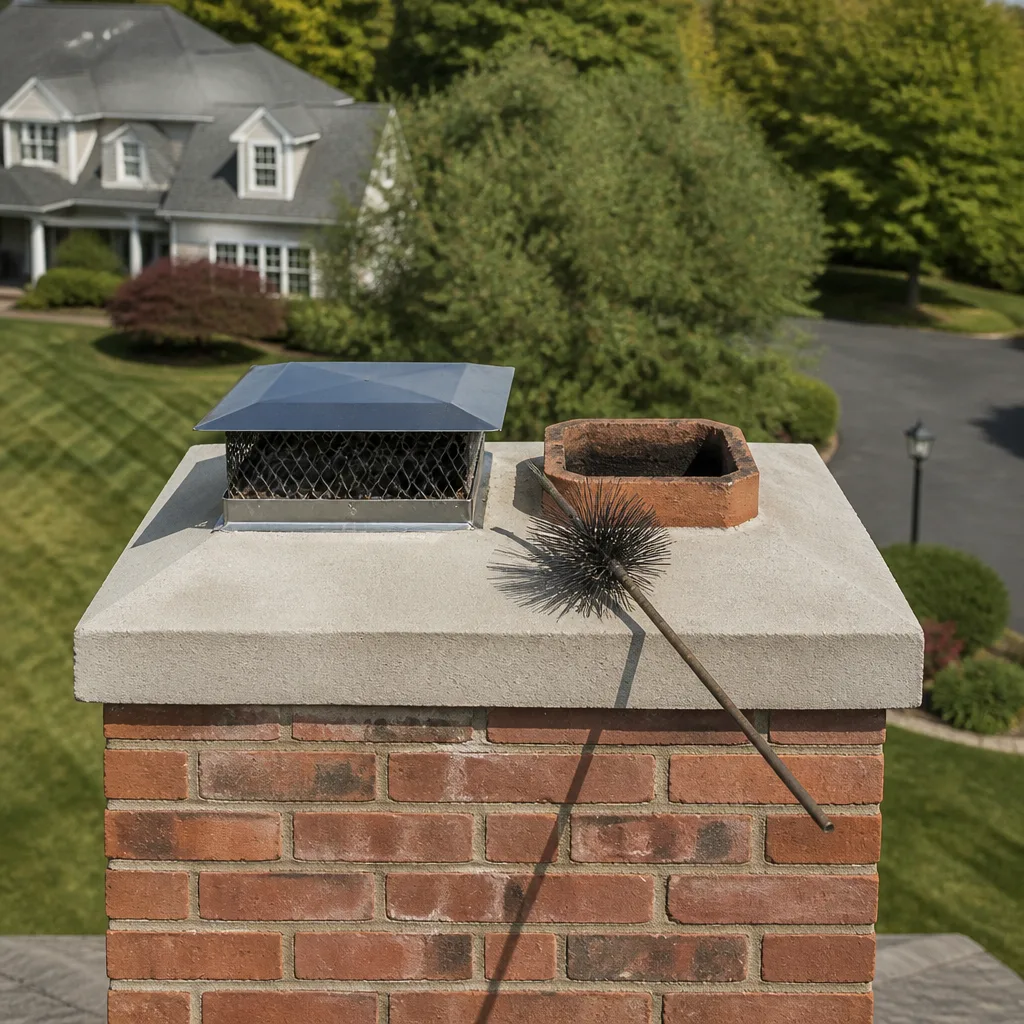 Sweep & inspection
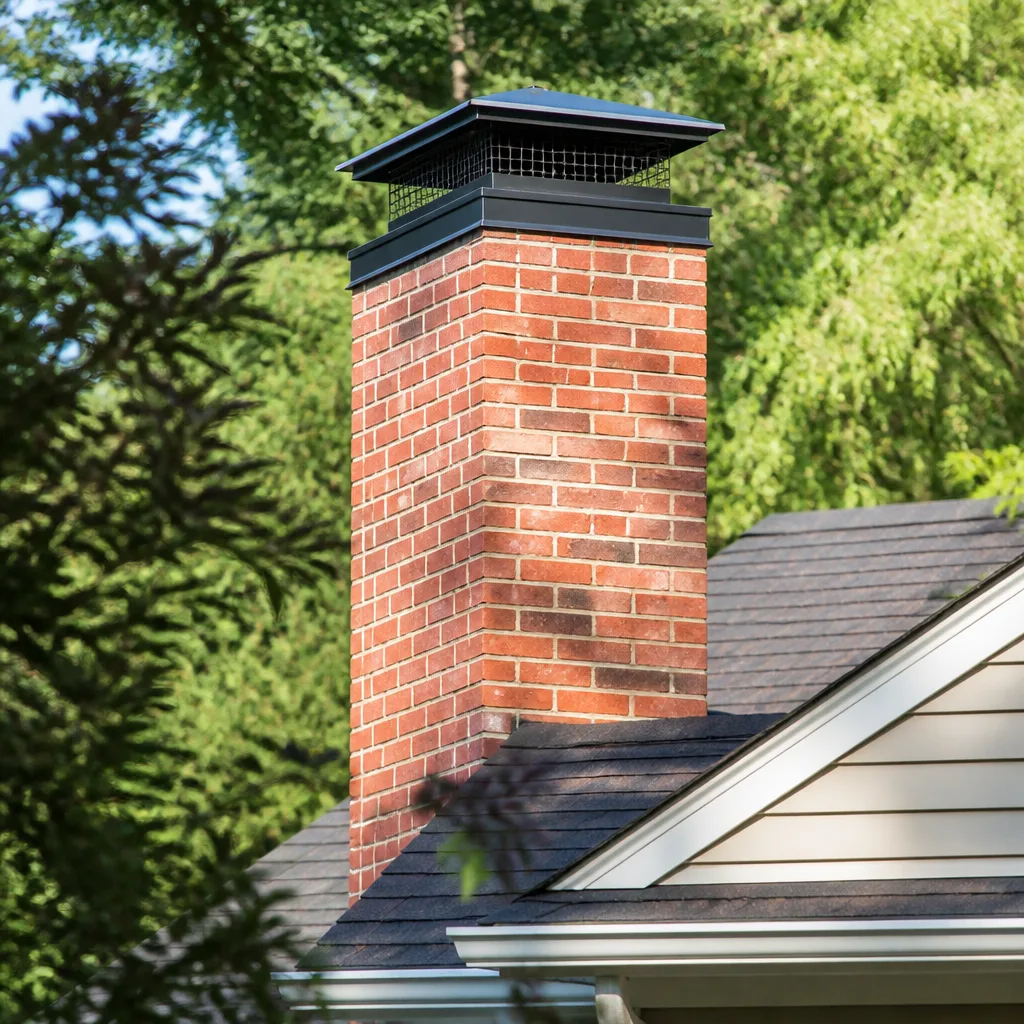 Caps & crowns
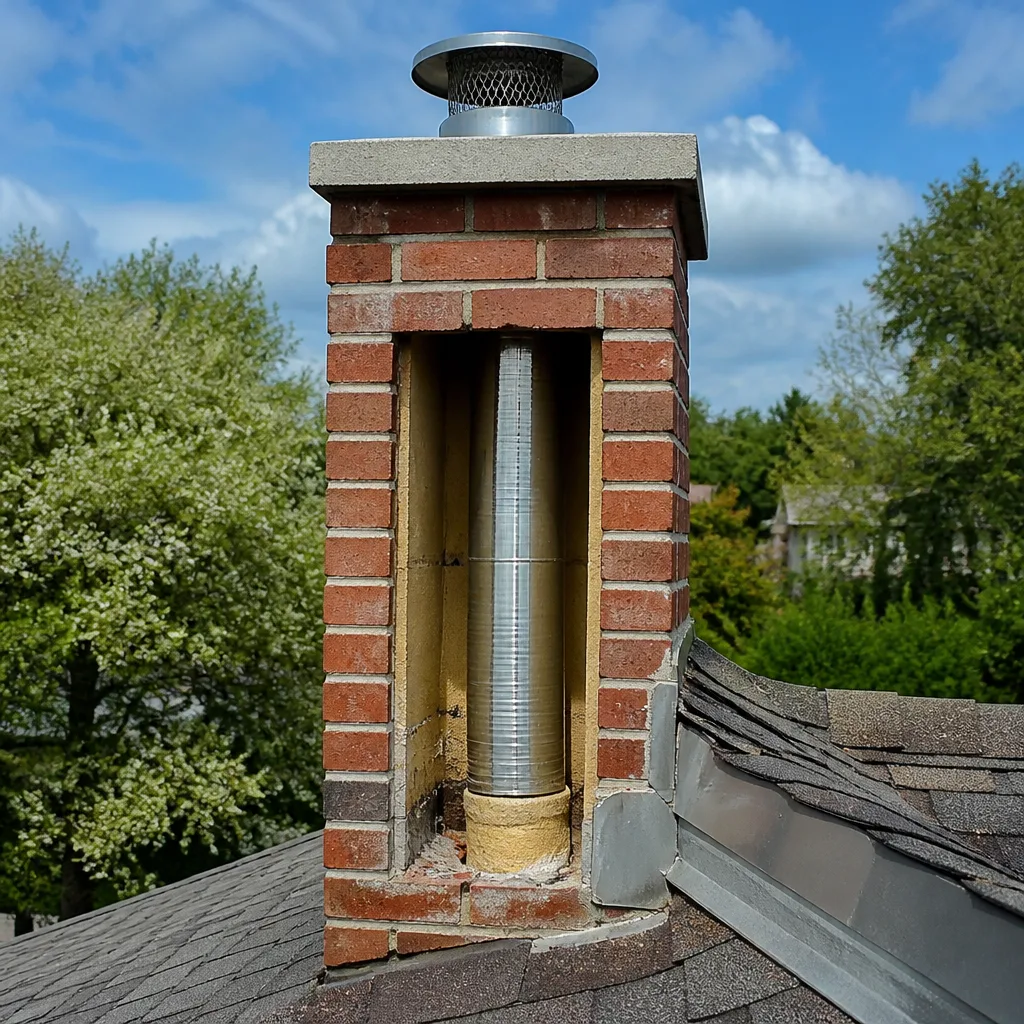 Flue relining
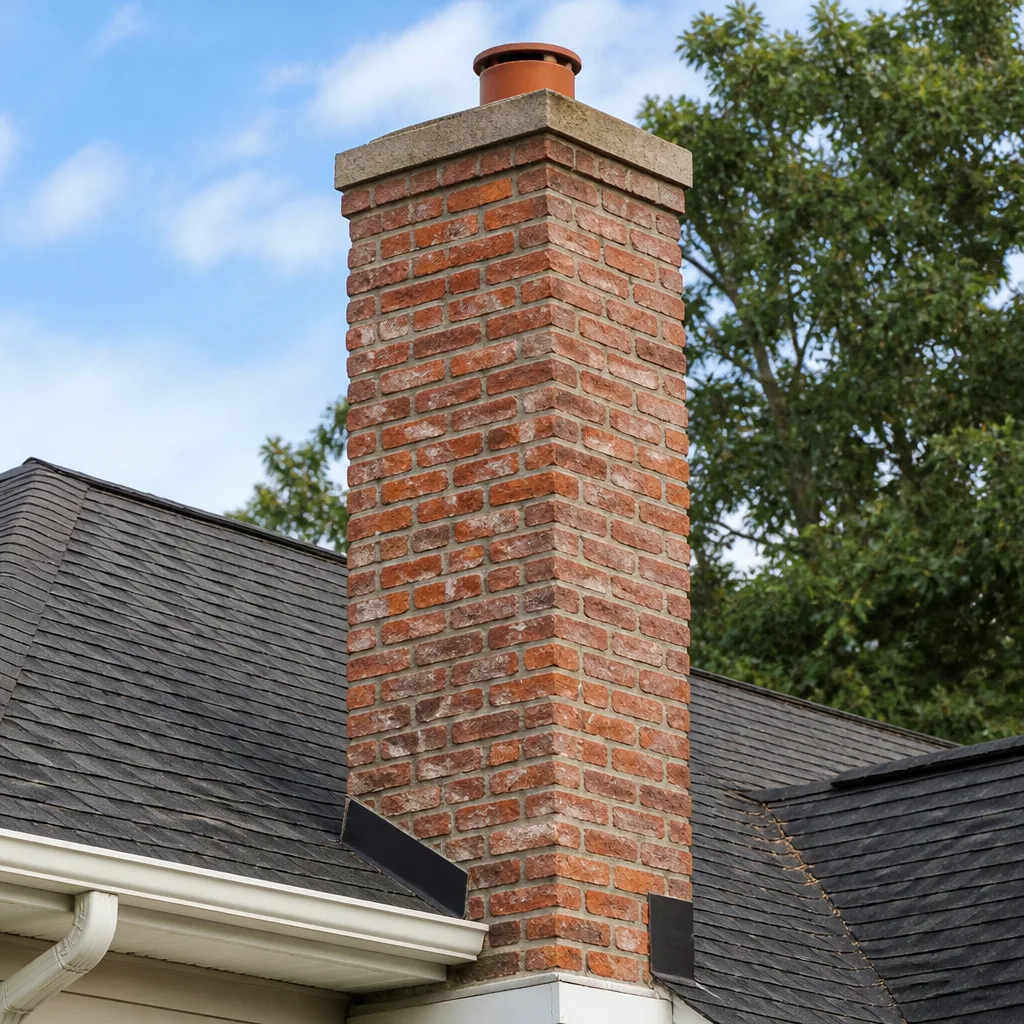 Masonry repair
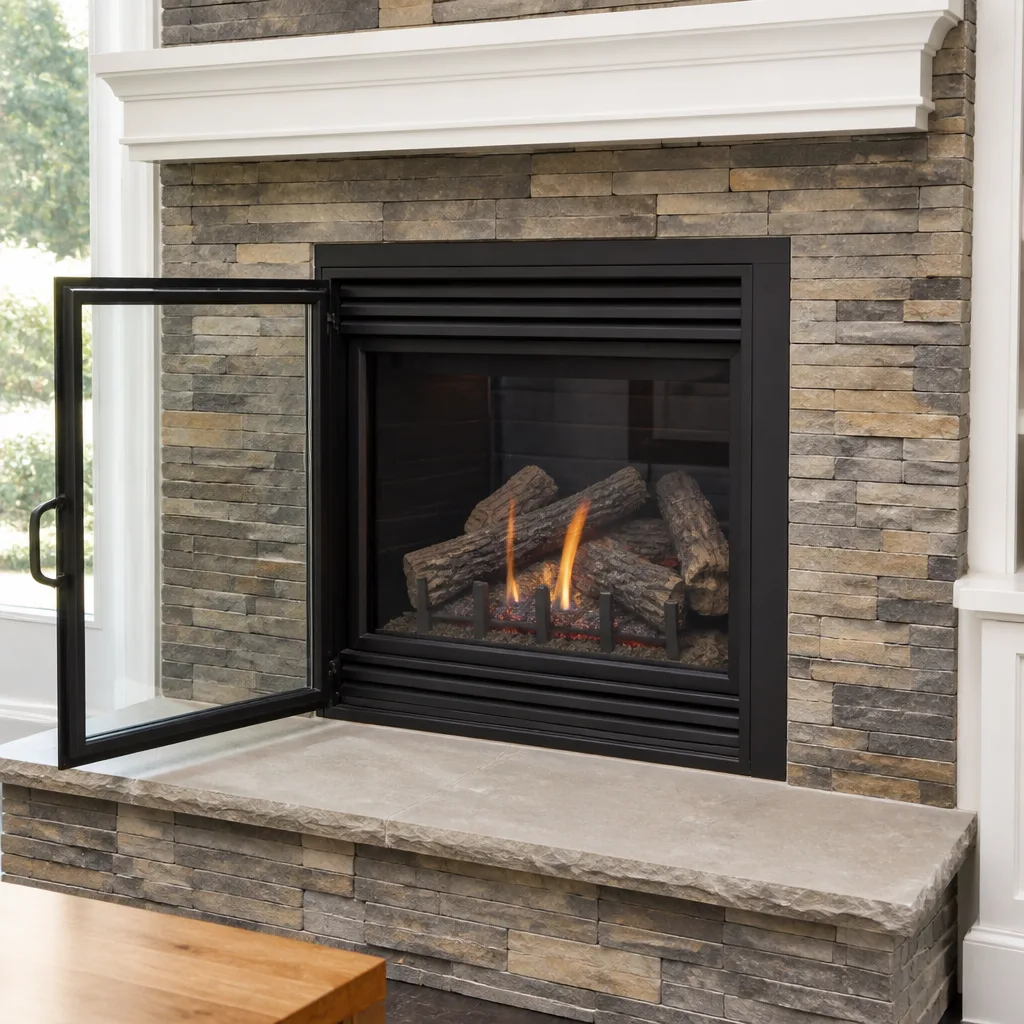 Gas fireplace service
Level 1 sweep and inspection to the NFPA 211 annual standard - flue, crown, cap, and flashing checked and photographed
Chimney sweep logs do not sweep chimneys. They loosen some creosote - which then falls where a brush and vacuum still have to collect it.
Seasonal Chimney Cleaning Care for Huntington Beach: Year-Round Homeowner’s Guide
Most chimney advice you’ll read was written for places with real winters, where the whole year funnels toward one busy sweep in October. Huntington Beach doesn’t work that way. Fireplaces here sit idle for months, get lit a handful of times on a chilly evening, then go quiet again. That pattern feels harmless, but it creates a specific problem: a low, smoldering fire deposits denser stage-two creosote per cord of wood than a hot, frequent burn does, because cooler flue temperatures let the residue condense instead of venting away. This guide rewrites the seasonal calendar for that reality. You’ll learn what to check in each part of the year, why the offshore fire season changes the fall to-do list, and how gas fireplaces need a completely different rhythm than wood-burning ones.
Quick Answer
In Huntington Beach, chimney care runs on a four-season cycle rather than a single pre-winter sweep: a fall crown and cap inspection before offshore fire season, a winter sweep timed to how much you actually burn, a spring walkthrough after the burning stops, and summer attention to crown and mortar moisture. Wood-burning fireplaces benefit from a sweep roughly every cord of wood burned, and gas fireplaces need an annual inspection even though they produce no creosote. The full-system approach, from the firebox to the crown, catches the small problems before they turn into structural repairs.
Styles & brands we work with
- Sweep & inspection
- Caps & crowns
- Flue relining
- Masonry repair
- Gas fireplace service
Table of Contents
- Why Mild-Climate Fireplaces Build Denser Creosote
- Fall: The Offshore Fire Season and Your Crown and Cap
- Winter: Sweeping by Wood Burned, Not by the Calendar
- Spring: The Post-Season Walkthrough
- Summer: The Marine Layer and Your Mortar
- Year-Round Gas Fireplace Care
- What a Full-System Inspection Covers
- Common Mistakes to Avoid
- When to Call a Professional
- Frequently Asked Questions
- The Bottom Line
Why Mild-Climate Fireplaces Build Denser Creosote
Creosote is the tar-like byproduct of incomplete wood combustion, and it comes in stages. Stage one is a light, dusty soot you can brush away easily. Stage three is a hardened, glazed coating that needs professional removal. The stage that matters most in Huntington Beach is stage two: a flaky, crusty deposit that builds when smoke cools before it leaves the flue.
Here’s the counterintuitive part. A fireplace that runs all winter in a cold climate stays hot, so smoke rises fast and hot, and less of it condenses on the flue walls. A fireplace in Huntington Beach that gets lit a few times a month produces short, cool burns. Each fire warms the flue from a cold start, then goes out. The smoke lingers and cools against the masonry, and the creosote coats the flue wall more heavily per fire than a hot, continuous burn would. So a household that burns a single cord of wood over a whole season here can accumulate more creosote than an East Coast household that burns three cords at a steady hot pace.
That’s why “sweep once a year before winter” is the wrong default for a Huntington Beach home. The right trigger is how much you burn and how hot each fire runs, not the month on the calendar.
- Hot, steady burns vent smoke cleanly and leave light soot.
- Cool, short, smoldering burns leave dense stage-two creosote.
- Burning unseasoned or green wood makes the deposit worse.
- Restricting airflow to stretch a fire makes it worse still.
If your fireplace runs for a handful of evenings a month across the cool season, treat every cord you burn as a checkpoint for the flue, not an annual date. That single shift in thinking is the foundation of the whole calendar in this guide.
Fall: The Offshore Fire Season and Your Crown and Cap
October and November in coastal Orange County bring the offshore winds that drive fire season. For a chimney, two things matter in that window. First, the dry wind and airborne debris put your chimney cap and crown to work as the first line of defense against leaves, twigs and sparks reaching the roof. Second, winds moving across a roof can lift or dislodge a cap that’s already loose, and a cap fails quietly. You may not notice it until the first rain drives water into the flue.
That’s why the fall inspection in Huntington Beach belongs on the roof, not just inside the firebox. A proper chimney cap & crown check looks at whether the cap is properly seated, whether the crown (the concrete cap at the top of the masonry) is cracked or spalling, and whether the flue opening is clear of nests and debris. A cracked crown lets water into the masonry and is one of the most common sources of interior damage we see.
If you have a wood-burning fireplace you plan to use this fall, this is also the right time to confirm the flue is clear before the first burn. A blocked flue is a carbon monoxide and smoke hazard, not a nuisance.
- Inspect the crown for cracks, spalling and crumbling edges.
- Check the cap is seated and secure, not lifted by wind.
- Confirm the flue has no birds, nests or debris at the top.
- Sweep the flue if the last burn season added enough wood to trigger it.
- Do the interior check for smoke staining and draft problems.
Winter: Sweeping by Wood Burned, Not by the Calendar
Winter in Huntington Beach means cool evenings, not deep freeze. Your fireplace may run steadily through December and January, or it may see a couple fires a week. Either way, the sweep trigger is wood volume and fire quality, not a fixed date. The general rule professionals use is a sweep roughly every cord of wood you burn, and sooner if the flue shows heavy stage-two creosote.
If you’re not sure how much you’ve burned, the answer is to have the flue inspected. A camera inspection shows the creosote layer and whether it’s at the point where it needs removal. You can’t judge this from the firebox by eye, because the deposit that matters is up the flue, out of sight.
When you book a chimney sweep in Huntington Beach, the sweep should be matched to what’s actually in the flue. A light soot removal and a heavy stage-two scrub aren’t the same job, and the right tool for the deposit is part of getting it clean without damaging the liner.
- Seasoned, dry wood: leaner deposits, can go longer between sweeps.
- Green or damp wood: heavier creosote, sweep sooner.
- Small, smoldering burns: denser deposits per cord than hot burns.
- Frequent, hot fires: cleaner vent, longer interval.
One practical habit for Huntington Beach homeowners: keep a simple log of each season’s fires and the wood you burned. When you call for a sweep, you can tell the technician how much you’ve run the fireplace, and that changes how the flue gets cleaned.
Spring: The Post-Season Walkthrough
Once the burning stops, the spring walkthrough closes out the season and catches what winter left behind. The most overlooked item here is animal nesting in capped flues. A cap that’s slightly loose or a small gap in the mesh is an open invitation, and birds can build a nest at the top of the flue that later blocks your draft. You’ll often find it in spring, not in fall, because the nest is still in place from nesting season.
A spring walkthrough checks the interior and exterior of the full chimney system before the long, idle summer. That means looking for anything the winter’s fires and winds lifted or loosened, and confirming the flue is clear so it’s ready when cool weather returns.
- Look for nesting material at the top of the flue and in the smoke chamber.
- Check the cap and crown for any winter movement or new cracks.
- Inspect the firebox, damper and smoke chamber for wear.
- Confirm the flue is clean, so deposits don’t sit all summer.
- Note any smoke staining or interior draft issues for repair.
If your wood-burning fireplace won’t be used until fall, spring is a sensible point to have the flue swept. That way the deposit doesn’t sit against the liner through the hot months, and the masonry is assessed while there’s plenty of time before the next burn season.
Summer: The Marine Layer and Your Mortar
Summer in Huntington Beach brings the marine layer, and the marine layer brings moisture. The cool, damp air that lingers through the morning and sometimes all day is a daily moisture load on your chimney’s exterior. This is the driest point on the calendar from a fire risk standpoint, but the wettest for the masonry. A crack in the crown lets that moisture into the brick and mortar, and the damage builds without any visible warning inside the house until it shows up as a stain or a crumbling joint.
That’s the moisture intrusion window most homeowners miss. During summer, the crown and the mortar joints are the two places to look. A crown that’s cracked or spalling is the leading entry point for water, and if it’s failing, the right repair is a dedicated crown job using a proven sealing material. We work with industry names like Copperfield and Famco for caps and crowns so the fix is matched to the structure, not just patched.
A summer inspection also lets you deal with masonry repair on a relaxed schedule, before the first wet season arrives. Catching a cracked crown in July means the repair is done long before the fall rains test it. That’s the practical meaning of protecting the home investment: fix the small, visible problem while it’s still small.
Year-Round Gas Fireplace Care
Gas fireplaces need a completely different rhythm than wood-burning ones, and that’s where a lot of Huntington Beach homeowners get confused. A gas fireplace produces no creosote, so the wood-burning logic of “sweep by the cord” doesn’t apply. But gas fireplaces still need an annual inspection, because the things that go wrong are different: blocked vent terminals, debris in the burner, a build-up of dust and lint, and the condition of the logs and connections.
A gas fireplace that hasn’t been checked can run with a partially blocked vent, and carbon monoxide is the concern there. That’s why the annual inspection is about safety, not cleaning. The technician looks at the vent terminal at the top, the burner and log arrangement, and the integrity of the unit, then confirms it’s venting as designed.
- Check the vent terminal for nest, debris or blockage at the roof.
- Inspect the burner and logs for correct arrangement and dust build-up.
- Confirm venting is clear, since a blocked vent is a carbon monoxide risk.
- Vacuum and clean dust and lint from the unit.
The seasonal timing for a gas fireplace is flexible, but the annual inspection isn’t optional. Treat it the way you’d treat an annual check on any fuel-burning appliance: once a year, and before the first cool-season use.
What a Full-System Inspection Covers
An inspection is the part of the seasonal routine that tells you what actually needs work. The value is in the full sweep of the system, from the firebox up to the crown, because the parts that fail quietly are usually out of sight. A proper inspection includes:
- The firebox and smoke chamber for cracking, wear and smoke staining.
- The damper for operation and a proper seal when closed.
- The flue liner for creosote condition and gaps or cracks.
- The crown and cap for cracks, seating and blockage.
- The exterior masonry for spalling, joint wear and water entry.
When the liner is damaged, the fix isn’t always replacement. Our technicians have up to 15 years of experience, and we can work with restorative options as well as full relining. HeatShield is a resurfacing system used to restore deteriorating flue liners without a full replacement, while DuraFlex flexible liners are the professional-grade option for relining an aging or damaged flue. Matching the repair to the actual condition is the whole point of a diagnostic inspection; a well-kept liner and a failing one don’t get the same treatment.
This is also why the inspection matters more than a sweep alone. The sweep cleans the flue; the inspection tells you whether the Huntington Beach Chimney Sweep Pros can fix what the sweep found. One company handling both the cleaning and the structural repair means you’re not sourcing a second contractor to finish the job.
Common Mistakes to Avoid
- Assuming a single fall sweep covers the whole year. A mild-climate fireplace needs a spring look and a summer crown check, not just a pre-winter sweep.
- Ignoring the crown until it leaks inside. A cracked crown lets water into the masonry, and it rarely shows inside the home until the damage is advanced.
- Burning green or damp wood to save time. Wet wood burns cooler and deposits denser creosote, so it costs you a sweep sooner.
- Running smoldering fires with the draft closed down. Low-oxygen burns deposit more stage-two creosote per cord, which is the exact trap in a mild climate.
- Skipping the gas fireplace because it produces no creosote. A gas unit still needs an annual vent and burner inspection, and a blocked vent is a carbon monoxide risk.
- Forgetting to check the cap for nesting in spring. A small gap in a loose cap is how birds get in, and the nest blocks the flue when cool weather returns.
- Keeping the flue dirty through the summer. Deposits sitting against the liner through the damp marine-layer months are a needless risk; spring is a sensible time to sweep.
When to Call a Professional
Call a professional when the flue shows heavy creosote, when the chimney is overdue for inspection, or when you notice smoke staining, a draft problem, or crumbling mortar. Call sooner if a capped flue has a suspected nest, if the crown is visibly cracked, or if you’re putting a gas fireplace back into service after a long idle stretch. None of these are jobs to work out by eye from the firebox. The full-system inspection is what tells you the right repair, and it’s the difference between catching a problem before it costs more and finding out after the damage is done. Huntington Beach Chimney Sweep Pros offers free estimates in Huntington Beach. Call (877) 770-0951. We answer 24/7. Fast dispatch from 7am to 7pm, Sunday through Friday. A call outside dispatch hours is booked into the next opening, Sunday through Friday, 7am to 7pm.
Frequently Asked Questions
Sweep a wood-burning chimney roughly every cord of wood you burn, and sooner if the flue shows heavy stage-two creosote. Because Huntington Beach fireplaces often burn less often and cooler, the deposit per cord is denser than in cold-climate homes, so the trigger is wood volume rather than the calendar. A camera inspection tells you whether the flue is at the point of needing removal. Call (877) 770-0951 for a free estimate.
Yes, potentially sooner than a heavy user, because short, cool burns deposit denser creosote per fire than hot, steady burns. Mild-climate homes tend to run the fireplace in short bursts, which cools the smoke against the flue and builds a heavier coating. A camera inspection shows you the actual layer so you can decide on evidence, not guesswork. Call (877) 770-0951 for a free estimate.
October and November bring offshore winds that drive fire season and test the cap and crown. Dry wind and airborne debris put the cap to work, and a loose cap can lift or let a nest in, while a cracked crown lets water into the masonry. Checking both on the roof in fall prevents the quiet failures you’d otherwise discover in the rainy season. Call (877) 770-0951 for a free estimate.
The cool, damp marine-layer air is a daily moisture load on the exterior, and a cracked crown lets it into the brick and mortar. That moisture intrusion builds slowly and often shows no warning inside the home until it’s advanced. Summer is the best time to catch and fix a crown or mortar problem before the wet season arrives. Call (877) 770-0951 for a free estimate.
Yes. A gas fireplace produces no creosote, but it still needs an annual inspection of the vent terminal, burner, logs and connections. A blocked vent is a carbon monoxide risk, so the annual check is a safety matter, not a cleaning one. Book it before the first cool-season use. Call (877) 770-0951 for a free estimate.
Sometimes, yes. HeatShield is a resurfacing system used to restore a deteriorating flue liner without a full replacement, and DuraFlex flexible liners are the professional-grade option when a full reline is needed. The inspection determines which repair fits the condition of the liner. Call (877) 770-0951 for a free estimate.
The Bottom Line
The seasonal logic for a Huntington Beach chimney runs on four seasons, not one pre-winter sweep. Fall is for the crown and cap before offshore fire season. Winter is for sweeping by wood burned, not by the calendar, because cool, short burns deposit denser creosote. Spring is the post-season walkthrough, including a check for nesting in a capped flue. Summer is when the marine layer tests the mortar, and a good time to fix a crown before the wet season. Wood and gas fireplaces need different rhythms, and both deserve a full-system inspection from the firebox to the crown. Catch it before it costs more.
If you’re ready to put your chimney on the right seasonal schedule, talk to a team that handles the whole system. We offer chimney sweep, inspection, fireplace repair, chimney repair and cap and crown work in one place, using professional-grade materials like DuraFlex, HeatShield, Gelco, Olympia Chimney, Famco and Copperfield. Call (877) 770-0951 for a free estimate. The written estimate sets the final price, and everything we recommend is backed by what the inspection finds.
Written by the team at Huntington Beach Chimney Sweep Pros.
See the difference
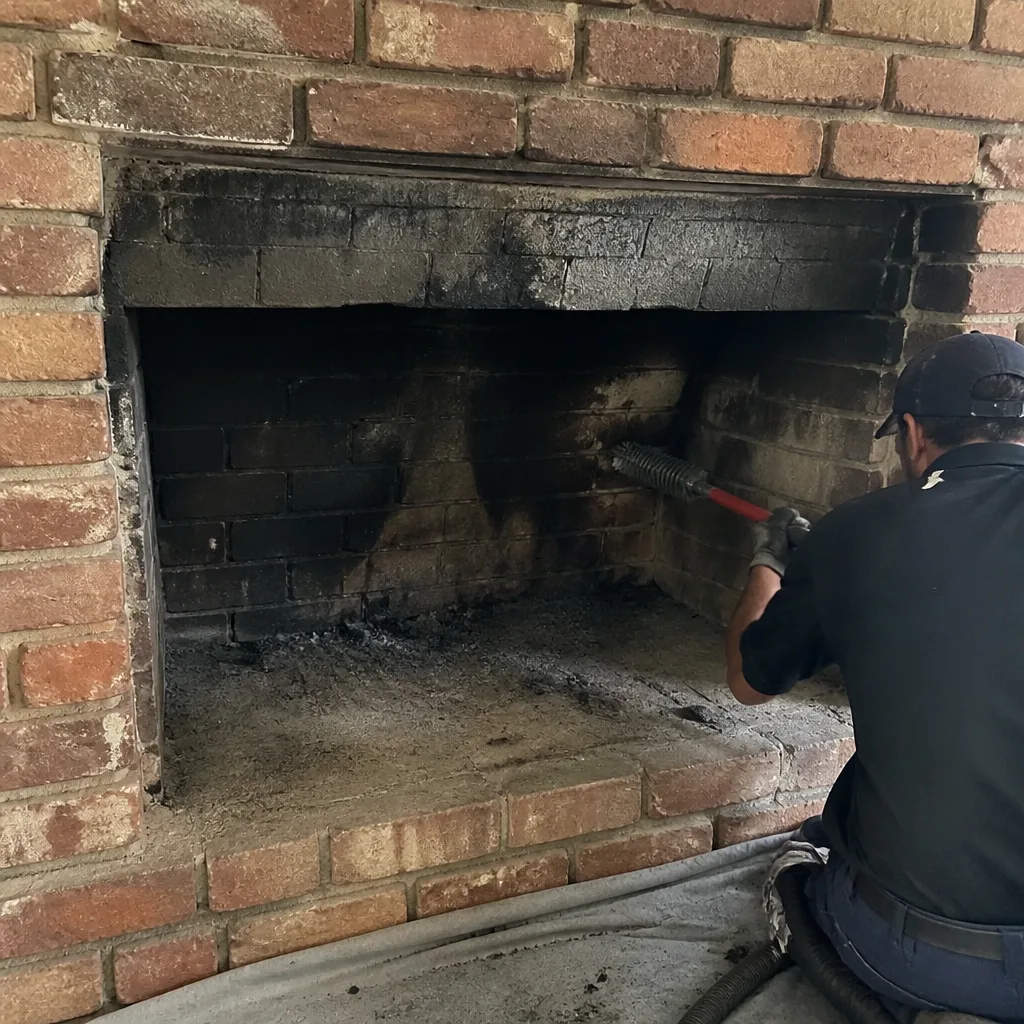 Before
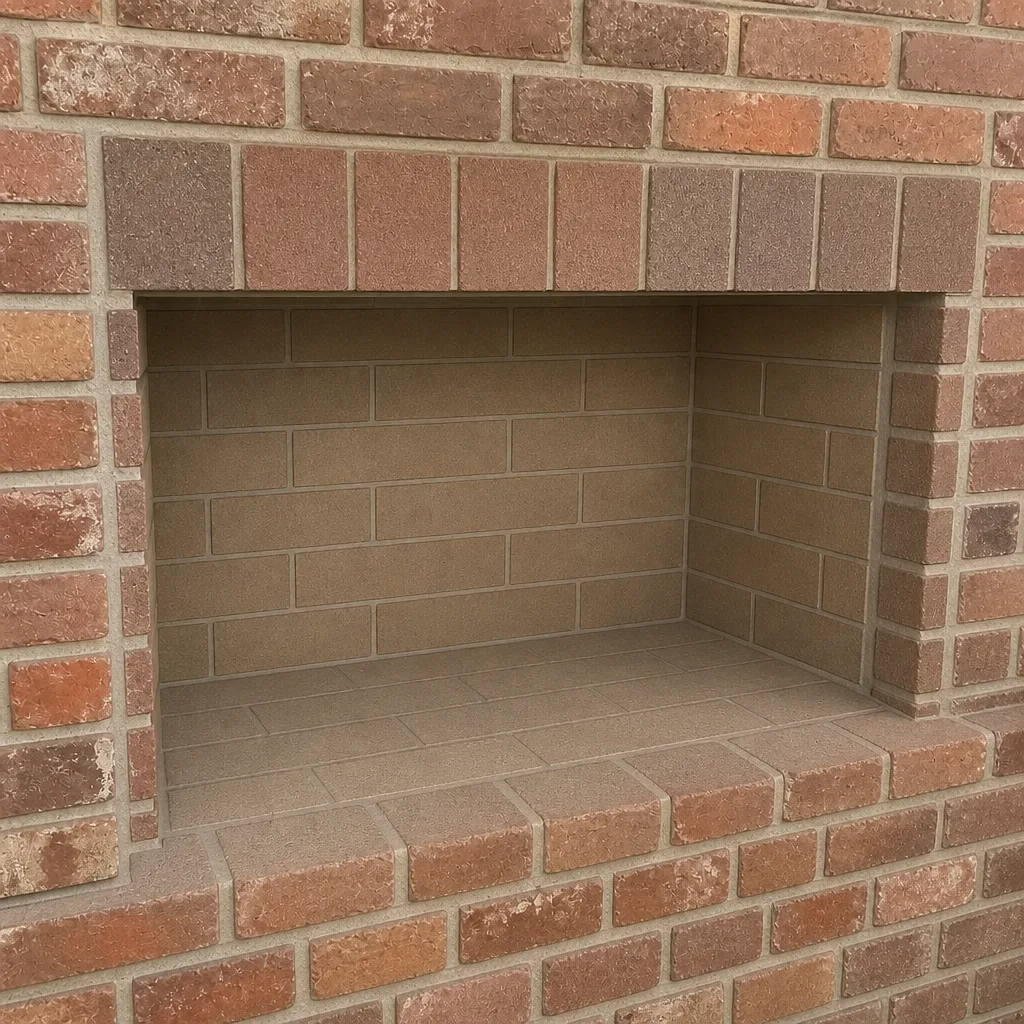 After
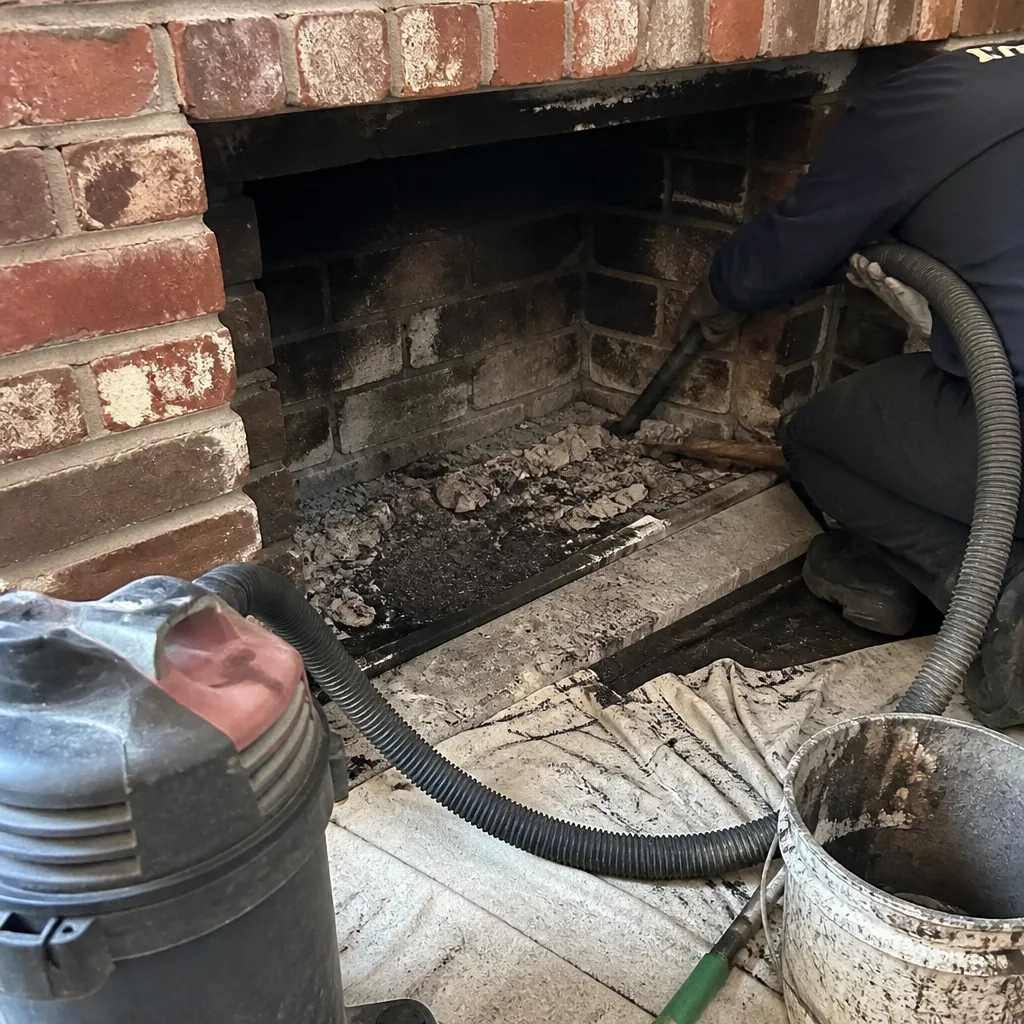 Before
 After
 Before
 After