
Last updated November 24, 2026
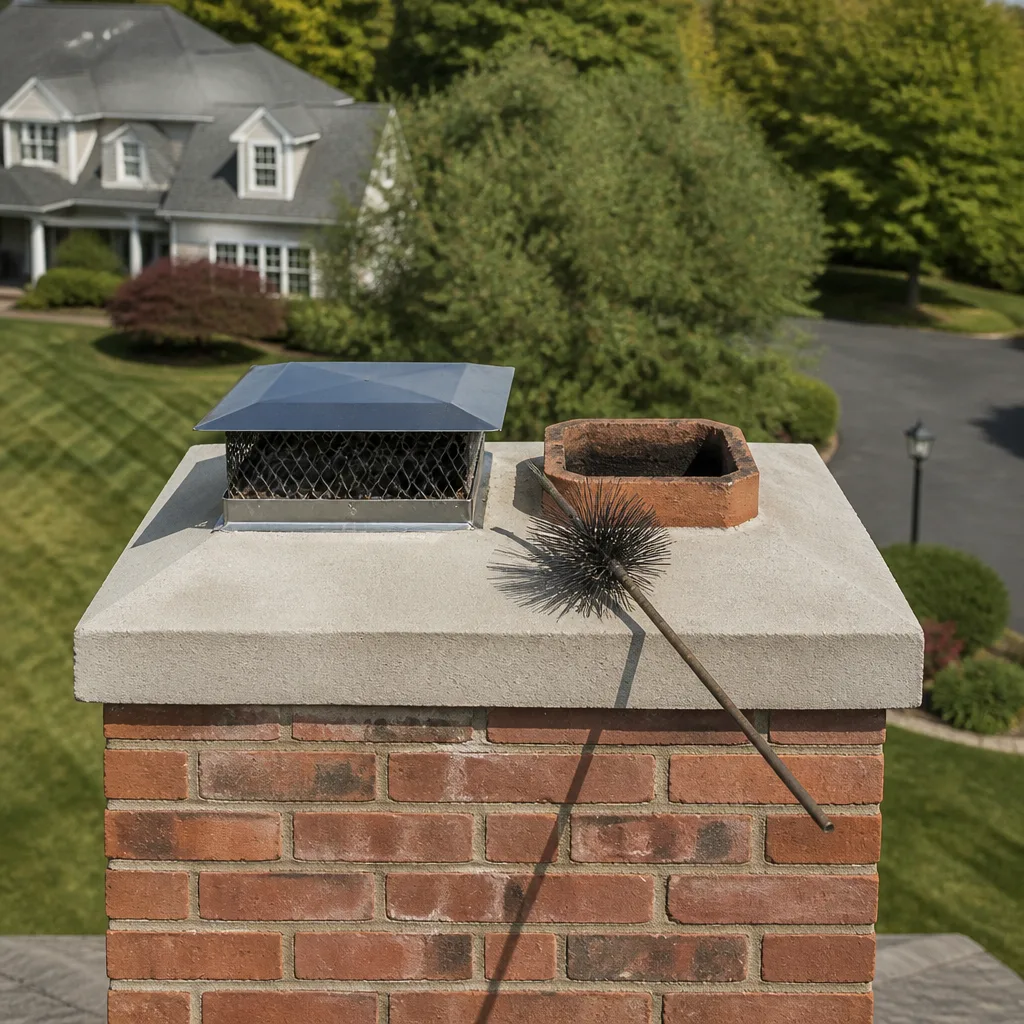 Sweep & inspection
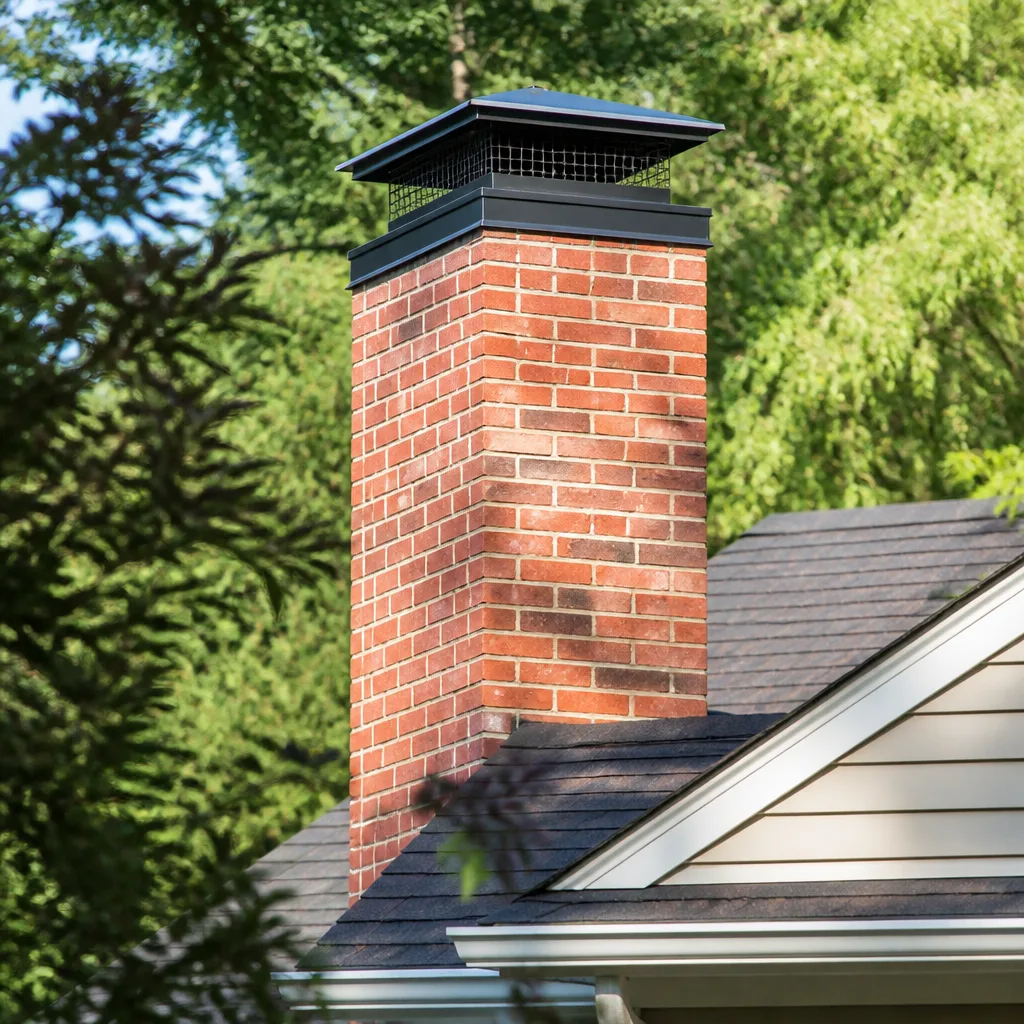 Caps & crowns
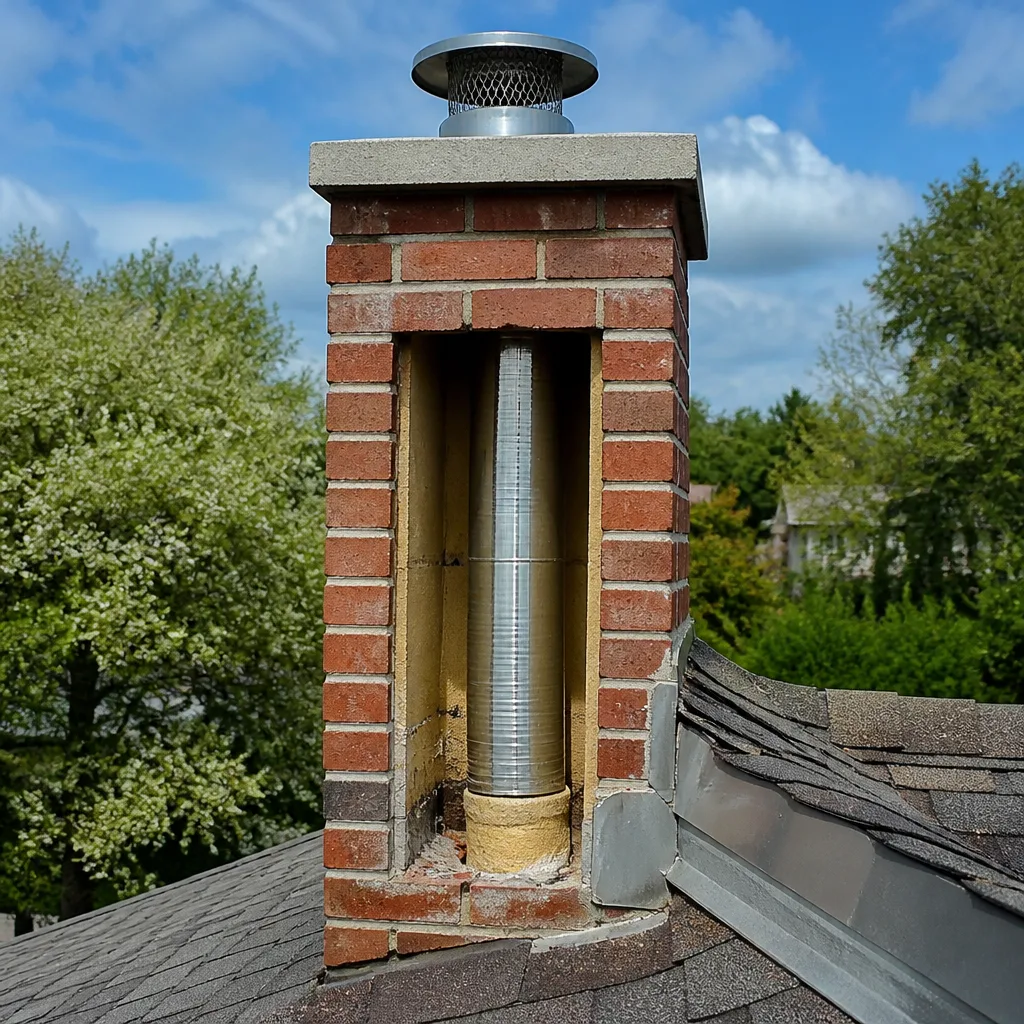 Flue relining
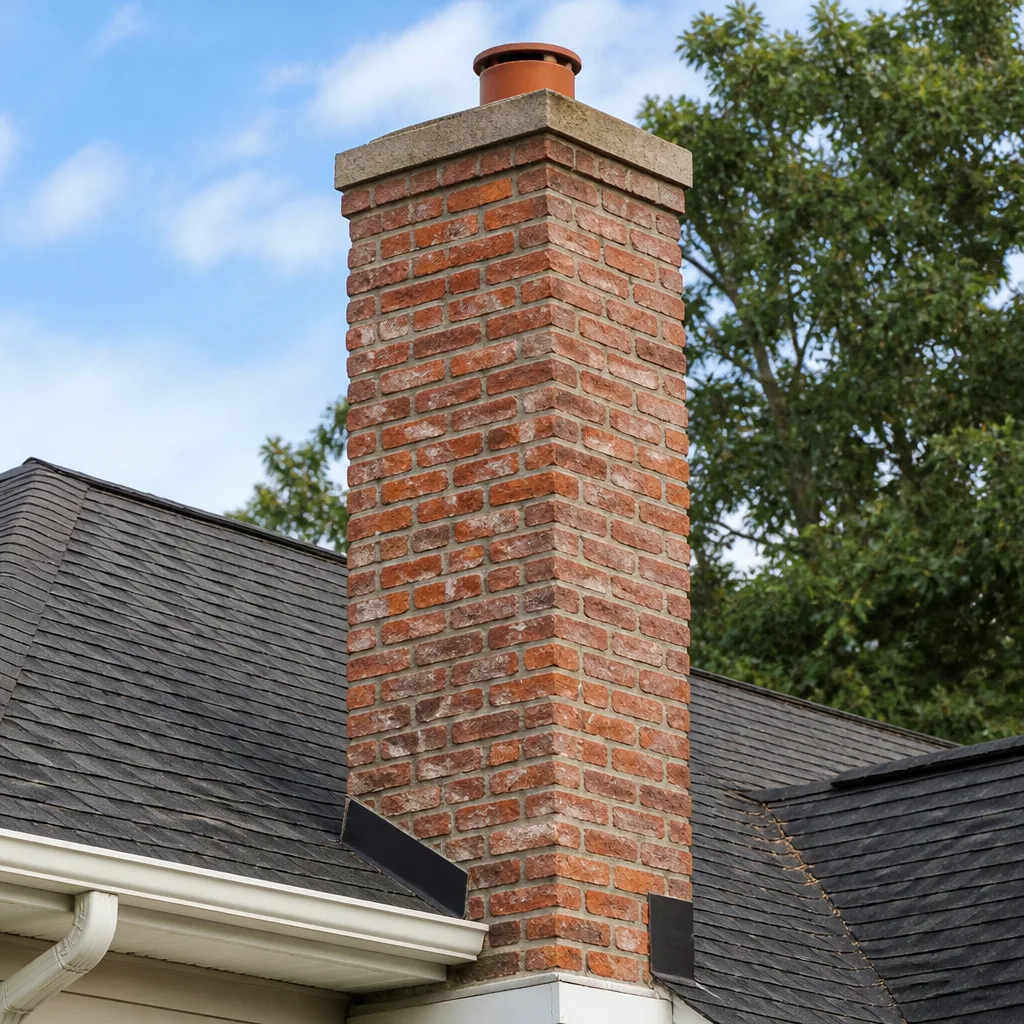 Masonry repair
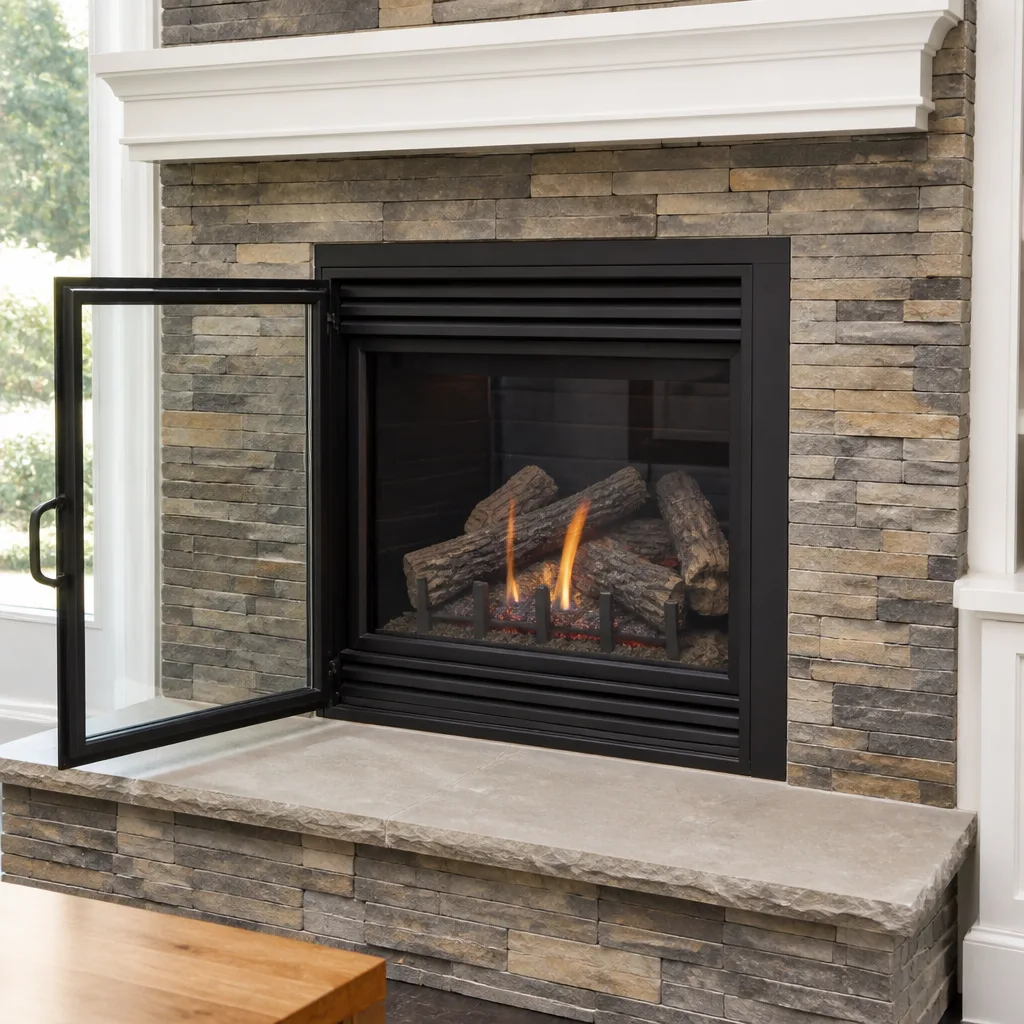 Gas fireplace service
Level 1 sweep and inspection to the NFPA 211 annual standard - flue, crown, cap, and flashing checked and photographed
Chimney sweep logs do not sweep chimneys. They loosen some creosote - which then falls where a brush and vacuum still have to collect it.
Chimney Cleaning Warning Signs: A Huntington Beach Homeowner’s Reference Guide
Most people assume a chimney problem announces itself with smoke rolling into the living room. In our experience it usually doesn’t. The earliest signals are quieter: a faint smell in July, a white stain on the brick above the roofline, a fire that struggles to catch. Here’s the counterintuitive part. A fireplace smell in summer, when nothing has burned for months, usually isn’t stale soot. It’s negative pressure pulling air down the flue, and that points at a damper or smoke chamber issue, not a dirty firebox. This guide decodes what each symptom means mechanically so Huntington Beach homeowners can describe a problem accurately and know when to act.
Quick Answer
The warning signs that matter most are: any odor from the firebox when the fireplace is idle, white or chalky staining on exterior brick, a cracked or flaking crown, smoke that lingers or puffs back into the room, and glazed black deposits inside the firebox. Treat glazed deposits and smoke backing into the room as stop signs: don’t burn until the system is inspected. Odors, staining and ash buildup are schedule-soon signals. The difference between the two categories is the whole point of this reference.
Styles & brands we work with
- Sweep & inspection
- Caps & crowns
- Flue relining
- Masonry repair
- Gas fireplace service
Table of Contents
- Smell-Based Diagnostics: Creosote, Moisture or Animals?
- Exterior Warning Signs: Efflorescence, Spalling and Crown Cracks
- Draft and Smoke Behavior Inside the Room
- Firebox Interior Signs and What Each One Means
- Schedule-Soon vs. Do-Not-Use: A Triage Framework
- Why Huntington Beach Conditions Shape Chimney Wear
- Seasonal Checks Before Burning Season
- What a Proper Inspection Actually Covers
Smell-Based Diagnostics: Creosote, Moisture or Animals?
Your nose is a diagnostic tool, and it can separate three very different problems. The trick is describing the smell precisely rather than saying “the chimney smells.” Each odor points to a different part of the system and a different fix.
Creosote odor
Creosote smells acrid and tarry, like old campfire residue. You notice it most on warm, humid days or when a low-pressure system moves through, because the smell seeps down the flue and settles into the room. This is the classic signature of a soot and creosote layer that has built past a light dusting. It’s a schedule-soon signal. It tells you the flue needs sweeping before the next burning season, not that anything is structurally broken.
Moisture odor
Moisture smells musty and damp, closer to a wet basement than a campfire. It often comes with a slight coolness you can feel near the damper. That combination usually means water is getting in somewhere above the firebox, commonly at the crown or through a missing or damaged cap. Huntington Beach winters are mild, but rain is rain. Water that reaches masonry and sits there erodes mortar joints and rusts the damper assembly. This one sits between the two categories: not a stop sign, but not something to push off for months.
Animal intrusion odor
Animal odor is sharp and uric, and it tends to concentrate at the top of the flue. Birds, squirrels and other small animals treat an uncapped chimney as an open door. Beyond the smell, nesting material is combustible and can block the flue. A proper cap solves the problem at its source, which is why we treat chimney cap & crown work as preventive rather than cosmetic.
Exterior Warning Signs: Efflorescence, Spalling and Crown Cracks
The outside of a chimney tells you what the inside can’t. Efflorescence, spalling and crown cracks each signal a different mechanism, and knowing which one you’re looking at tells you how far the damage has gone. A quick walk-around with a pair of binoculars, done from the ground, will show you all three.
- Efflorescence (white staining). Chalky white deposits on the brick face mean water is migrating through the masonry and evaporating on the surface, leaving mineral salts behind. Efflorescence itself is cosmetic. Its presence is not. It tells you water is entering somewhere above, usually the crown or a failing joint, and that the masonry is staying wet longer than it should.
- Spalling brick face. Spalling is the front face of a brick peeling or flaking off. It happens when trapped moisture expands and pushes the face away from the body of the brick. Once a brick spalls, moisture gets in faster. Spalling is a schedule-soon-to-urgent signal depending on how many bricks are affected and how close the damage sits to the crown.
- Crown cracking. The crown is the concrete cap at the very top that sheds water away from the flue. A hairline crack can widen with repeated wetting and drying. A crown that has separated from the flue liner is a structural open door for water. Small cracks can often be sealed with a proper crown coating. Larger breaks call for rebuilding the crown, which is exactly the sort of work a dedicated chimney cap & crown service is designed for.
- Rust staining on exterior metal. Rust streaks below a chase cover or a metal cap mean the metal has lost its coating and is holding water against the masonry. It’s an inexpensive fix caught early and a much larger one ignored.
Draft and Smoke Behavior Inside the Room
Draft problems are the most specific diagnostic tool a homeowner has, because you can observe them directly. Slow-clearing smoke, puffback and downdraft each indicate a different condition. Get the behavior right in your description and a technician can often narrow the cause before arriving.
- Slow-clearing smoke. Smoke rises but hangs in the firebox or lingers near the damper instead of heading up. This usually means the flue is undersized for the firebox opening, partially blocked by soot or a nest, or that the damper isn’t opening fully. A flue that once drafted well and doesn’t now is a sign of accumulation, not a design flaw.
- Puffback. A sharp, almost explosive push of smoke into the room when you open the door or when a gust hits the chimney. Puffback is a stop-burning signal. It usually means the flue is restricted or the smoke chamber is turbulent because of a rough or damaged interior surface. It can also push carbon monoxide into the room, which is the reason we treat it seriously every time.
- Downdraft and backdraft. Cold air and smells coming down the flue when the fireplace is idle, especially in summer or on windy days. That’s negative pressure, and it’s the same mechanism behind the phantom summer smell that opens this guide. A damper that doesn’t seal, a chimney that’s too short, or a smoke chamber with the wrong geometry all produce the same result. A top-sealing damper or a correctly sized cap often resolves it, and it’s the reason we ask about downdraft specifically when we take a Huntington Beach call.
On the smell question, we often hear from Huntington Beach homeowners who have a fully closed damper and still get that summer odor. In that case the leak is usually elsewhere: a damper that seals “well enough” in winter but not against low-pressure air, or a smoke chamber shelf that traps soot and releases it with weather changes. It’s worth a professional look rather than repeated air freshener.
Firebox Interior Signs and What Each One Means
The firebox is the most reliable warning-sign panel in the house, and most homeowners never look inside it except to load wood. Shine a flashlight up and across the firebox walls and you’ll see one of three conditions. Each has a different urgency level.
- Glazed black deposits (stage 3 creosote). A shiny, hard, tar-like coating on the flue walls is glazed creosote, the most combustible grade. It doesn’t sweep off with a standard brush; it has to be removed with specialized tools or chemical treatment. Glazed creosote is a stop-burning sign. A flue fire fed by this material can reach temperatures that damage the liner and spread to the framing. Do not use the fireplace until a professional inspects it. For liner surfaces that have been damaged by glazed creosote or heat, a resurfacing system like HeatShield can restore the flue interior without a full liner replacement in the right conditions.
- Gray ash and light soot buildup. A soft layer of gray ash is normal. A quarter-inch is fine. Once it’s thick enough to obscure the brick face, the firebox needs sweeping. This is the schedule-soon category.
- Rust staining inside the firebox or at the damper. Rust means water has reached metal parts, typically because of a missing cap, a damaged crown, or a masonry leak above. Check the damper: if it sticks, creaks or won’t seal flat, water has already gotten to the hinge. Left alone, rusted damper assemblies fail, and then smoke and heat have a path into the room. A full fireplace repair inspection catches this before it becomes a damper replacement.
Schedule-Soon vs. Do-Not-Use: A Triage Framework
Homeowners need to know, in the moment, whether they can light a fire tonight or not. Here’s the framework we use. When the call is close, err toward “don’t use it” and get an inspection. The fireplace is not going anywhere, and the inspection is free to ask about.
Do not use until inspected
- Glazed, shiny or tar-like deposits inside the flue or firebox.
- Smoke puffing back into the room when the door is opened.
- A strong creosote or chemical smell combined with a recent chimney fire, even a small one. Chimney fires are often reported as “a whooshing sound” or “a roar,” and a homeowner may not realize what happened.
- Visible cracking in the firebox brick or a liner that’s come loose from the flue wall.
- Carbon monoxide detector going off with a fire lit. Stop burning, ventilate, and treat it as a gas-safety issue as well as a chimney issue.
Schedule soon (within weeks, before the next burn)
- Efflorescence on exterior brick and a suspect crown.
- Mild spalling on a few bricks.
- Phantom odor in summer with a fully closed damper.
- Visible ash buildup that hides the firebox brick.
- Rust at the damper assembly.
- A missing cap or a cap that’s rusted through.
Can safely wait, but plan for it
- A light ash layer over the firebox floor.
- Hairline crown cracks not yet opened to the rain.
- Annual-sweep due date approaching but no active symptoms.
This is the triage most useful to a Huntington Beach homeowner deciding on a weekend. If a call falls outside our dispatch window, we book it into the next opening. Nothing on the “do not use” list is something to rush into the next fire. When in doubt, don’t light it and get it looked at.
Why Huntington Beach Conditions Shape Chimney Wear
Huntington Beach chimneys face a different wear pattern than most of the country. Our winters are mild, which means more burning in a season and less time with the firebox dormant. That adds creosote faster than people expect. It also means the flue is under active heating stress longer across the year. Coastal moisture in the morning air does its own quiet work on brick and metal. If a crown seal is compromised, you’ll often see it with the white staining we covered above.
Two more local considerations matter. First, Huntington Beach has a wide range of home ages and construction styles across neighborhoods like Downtown, Sunset Beach and the inland tracts near Central Park, and chimney materials vary widely with them. A 1960s masonry chimney and a newer prefab metal system age differently and need different materials. Second, our city has strict no-burn days and air-quality rules in certain seasons, and a homeowner who burns pellets or manufactured logs during prohibited windows still accumulates creosote; the burning season isn’t just the winter. A chimney sweep before burning season catches the buildup while the weather is still warm.
One more thing we notice. Huntington Beach fireplaces get used as decor in summer and as heat in the brief cool months, but they also get used during Santa Ana wind events as a draft control, which is the worst time to open a damper; the pressure outside can push smoke right back in. If your chimney behaves differently during a windy stretch, that’s a real diagnostic clue, and worth mentioning on the call.
Seasonal Checks Before Burning Season
A five-minute walkaround and an interior look, done once a year, will catch nearly every warning sign covered here before it costs money. We recommend doing this as the weather turns, before you light the first fire of the season. This is a checklist, not a repair manual; the actual sweep and inspection is a professional job.
- Look for smell when the fireplace is idle. Acrid equals creosote. Musty equals moisture. Sharp equals animals. Note which, and tell us on the call.
- Walk the exterior with binoculars. White staining, flaking brick, and a crown crack are all visible from the ground. Photograph anything you see.
- Check the cap and chase cover. Confirm a cap is present, seated, and not rusted through. A missing cap is the single most common source of water damage to a Huntington Beach chimney.
- Open the damper and test the draft. Light a small piece of newspaper in a cold firebox with the damper open. Smoke should rise straight up the flue. If it drifts into the room, that’s a draft warning.
- Shine a flashlight into the firebox. Look for glazed black, gray ash, or rust. Match what you see to the triage list above.
- Test smoke detectors and the carbon monoxide alarm. Both belong to the same safety system as the chimney.
- Book the sweep before the first burn. The right time to call is when nothing is urgent yet, so there’s time to schedule a full inspection and address any findings with a proper written estimate.
What a Proper Inspection Actually Covers
A chimney sweep is not an inspection, and an inspection is not a repair. Homes in Huntington Beach and nationwide benefit from keeping these three services distinct, because each answers a different question. When you call, ask for all three and know what each covers.
Sweep. Mechanical removal of soot, creosote and debris from the flue and firebox. A sweep restores draft and removes fuel. It does not assess the structural integrity of the flue interior because a brush doesn’t see the wall surface.
Inspection. A visual and, where the flue is accessible, camera-based assessment of the full system: firebox, damper, smoke chamber, flue liner, crown, cap and exterior masonry. Findings should be photographed and explained, and nothing on the system should be recommended for repair without evidence you can see for yourself. This is the “catch it before it costs more” moment: a crown crack seen and sealed early is a small job. Ignored, it becomes water-damaged masonry and a rebuilt crown.
Repair and restoration. The correct fix for the specific problem. A glazed liner calls for chemical removal and, in some cases, a HeatShield resurfacing application to restore the interior surface. A damaged or unlined flue calls for a reline with a flexible system such as DuraFlex. A failed crown calls for a crown rebuild and, where needed, a cap and chase cover to keep water out. A rusted chase cover or cap is often a Copperfield product match for the existing system. The right repair depends on the diagnosis, which is why we don’t quote a “chimney cleaning” as if it were the entire service.
One company handling the sweep, the inspection, the liner work, the crown and the fireplace repair is genuinely useful here. It means the person who finds a problem is the person who fixes it, with the materials specified for that exact repair. If we find something beyond our scope, we tell you. We do not guess at structural work.
Common Mistakes to Avoid
- Confusing a sweep with an inspection. A clean flue can hide a cracked crown or a glazed liner. Sweeping is not assessment. Ask for the inspection every time, and ask to see the photos.
- Treating summer fireplace smell as harmless. A phantom smell in July is negative pressure pulling air down the flue, and it usually points to a damper or smoke chamber issue that gets worse over time, not just a soot buildup.
- Ignoring efflorescence on exterior brick. The white staining is cosmetic, but it’s advertising that water is moving through the masonry. Catching the source early saves a masonry repair later.
- Burning through glazed creosote. A shiny black interior is not “extra soot.” It’s the most combustible deposit in the system, and it’s the number one reason we ask homeowners to stop burning until it’s inspected and cleared.
- Assuming a missing cap is a minor cosmetic issue. An uncapped flue is an open door for rain, birds and squirrels, and also for downdraft on windy days. Capping is a small job that prevents a large one.
- Running the fireplace during a Santa Ana wind event to “clear” the flue. In adverse wind conditions a firebox can pressurize and push smoke (and carbon monoxide) into the room. If the draft misbehaves in wind, that’s a signal, not a nuisance.
- Hiring the cheapest bid without asking about the full system. A quote for a sweep alone doesn’t tell you who fixes a crown crack, a failed damper or a glazed liner. Ask what the full system inspection covers before you book.
One note on fireplace repair in particular. A sticking damper is often the first symptom of a water leak above the firebox, and the fix isn’t always the damper itself. A technician should be looking for the leak source at the same time.
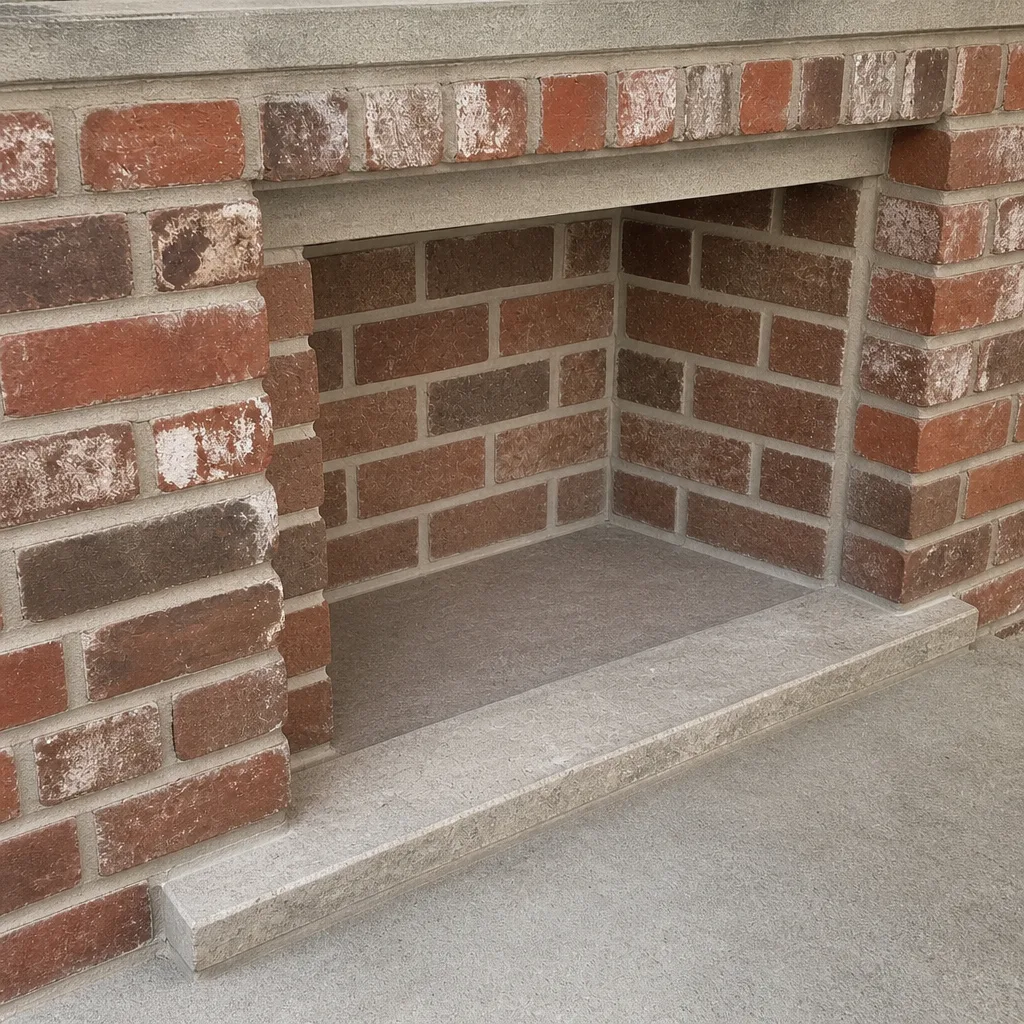
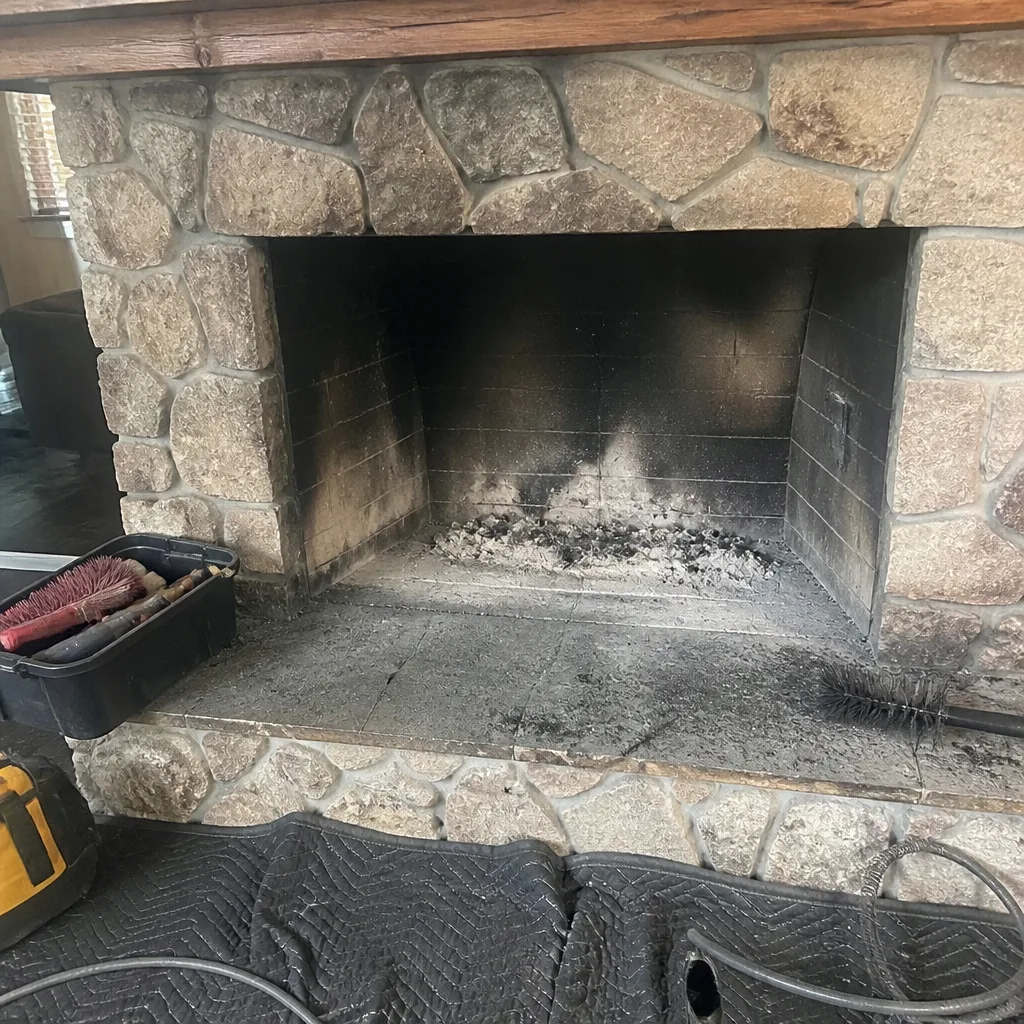
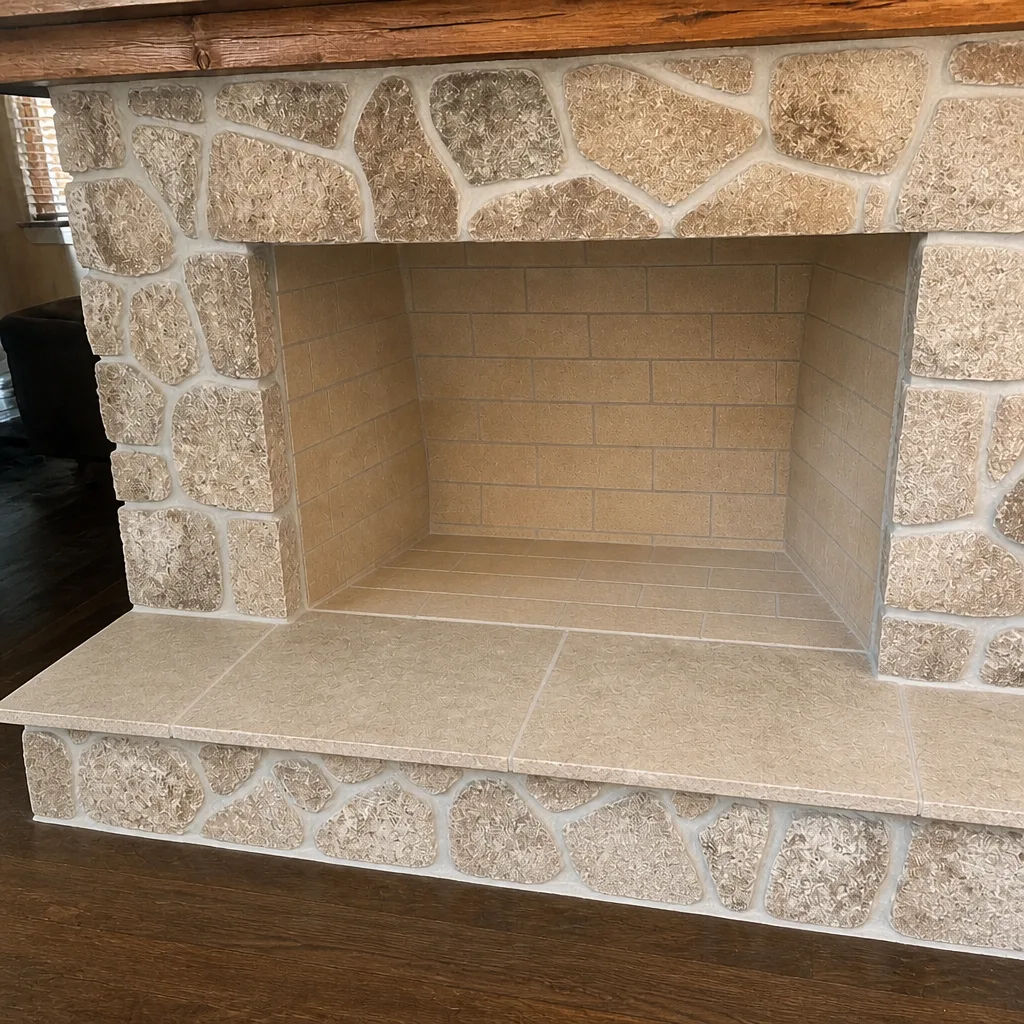
See the difference
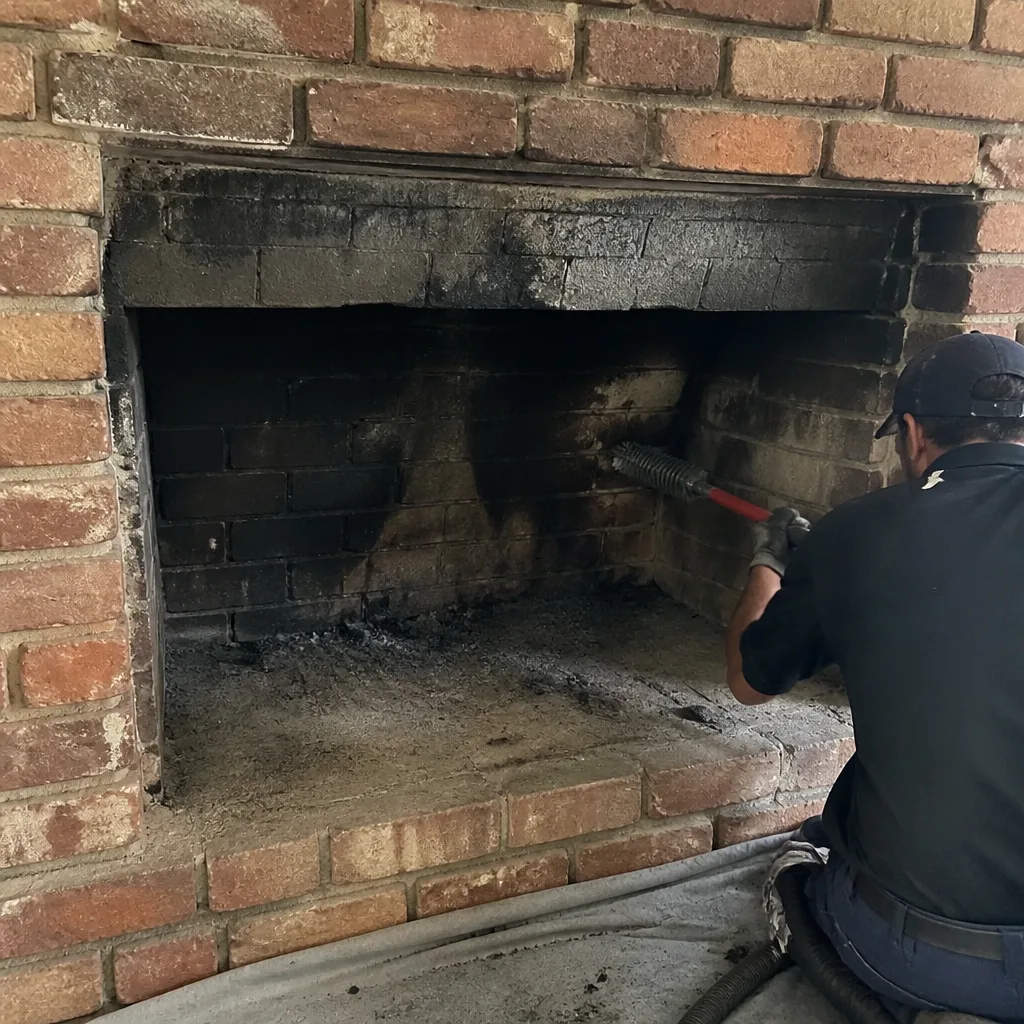 Before
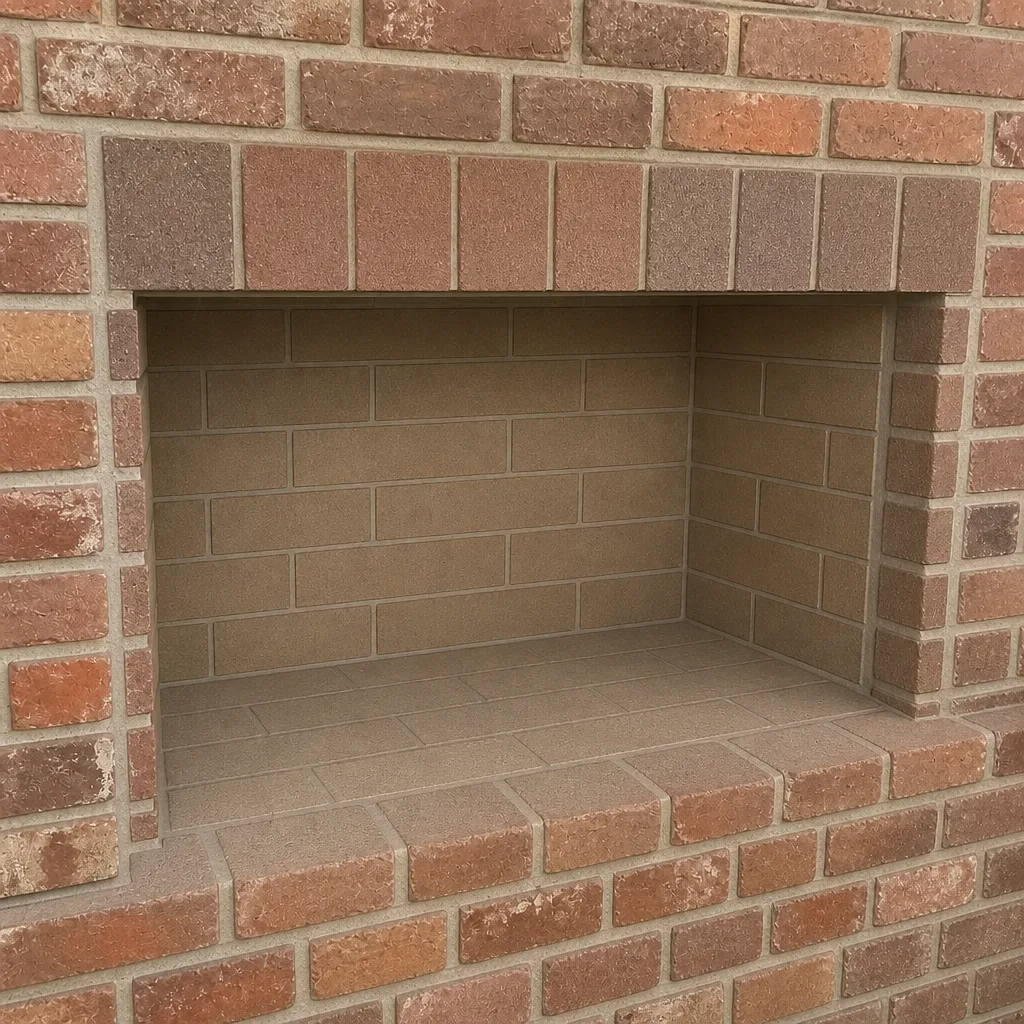 After
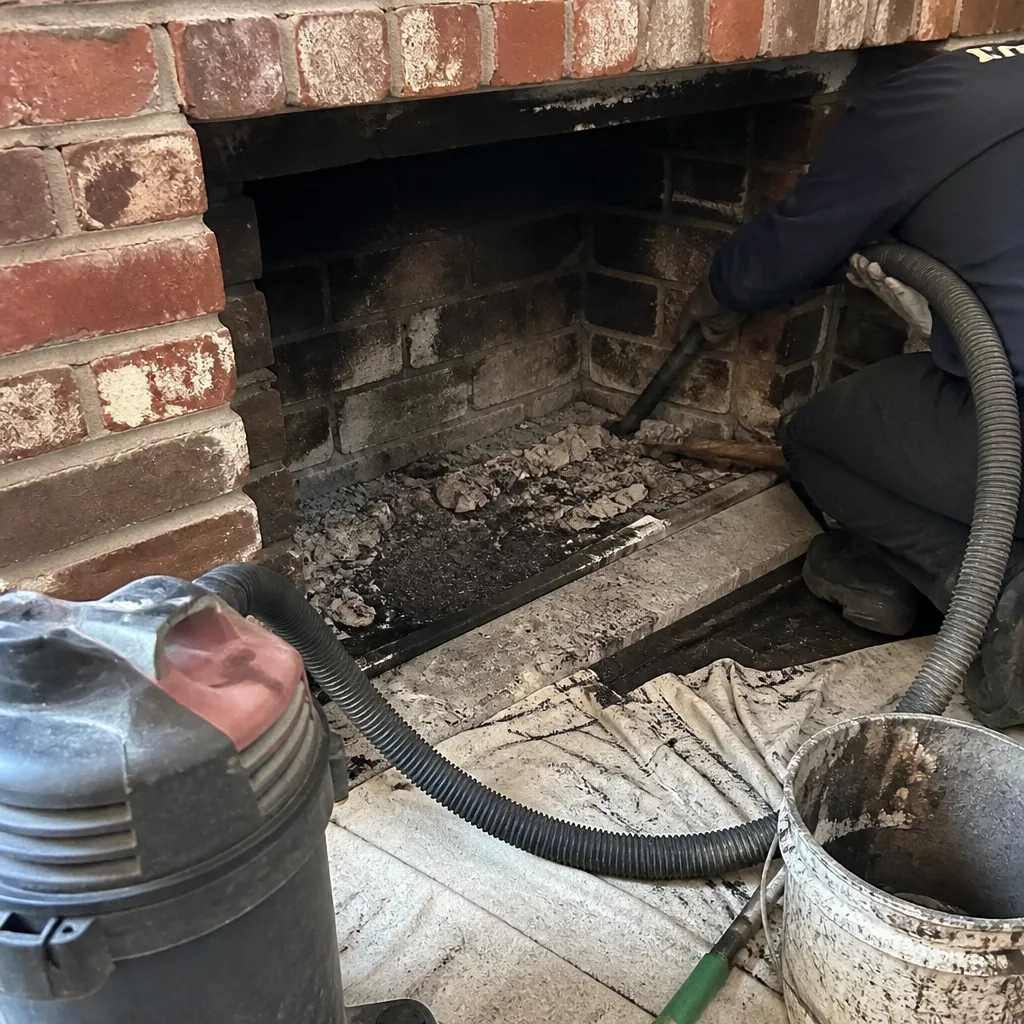 Before
 After
 Before
 After
When to Call a Professional
Call when any “do not use” sign on the triage list appears: glazed creosote, puffback, a smoke smell with a fire lit, a carbon monoxide alarm, or visible firebox cracking. Call when the annual sweep comes around, even if there are no symptoms, because the inspection catches the things a walkaround can’t. Call if the fireplace misbehaves on a windy day or smells in summer with the damper closed. And call if a contractor has quoted a liner replacement and you want a second look, because you should see the evidence before committing. Our technicians have up to 15 years of experience across the full system, and we work with professional-grade brands including DuraFlex, HeatShield, Copperfield and Gelco; the materials specified for the repair, not a generic substitute. Huntington Beach Chimney Sweep Pros offers free estimates in Huntington Beach. Call (877) 770-0951 for an exact quote.
Frequently Asked Questions
A chimney sweep in Huntington Beach is typically billed as a flat-price sweep, agreed before the appointment is booked, with the final price set by a written estimate after the technician has seen the size and condition of the flue. We don’t quote a number sight-unseen because a firebox with heavy glazed creosote takes more time and tooling than a light maintenance sweep. The estimate is free, and the sweep price is confirmed in writing before any work begins. Call (877) 770-0951 for an exact quote.
No, not always. A liner needs replacement when the camera inspection shows cracking, separation from the flue wall, a break at a joint, or heat damage from a past chimney fire. In cases where the liner is intact but the interior surface has degraded, a HeatShield resurfacing application can restore it without a full reline. The right repair for the specific problem is the point. We don’t recommend a liner replacement without showing you the evidence on camera first. Call (877) 770-0951 to book an inspection and see the findings.
Sweep once a year if you burn regularly, and more often if you use the fireplace heavily or burn wood that hasn’t been properly seasoned. A homeowner in Huntington Beach who lights a fire most cool evenings should treat an annual inspection as the baseline. If the firebox builds thick soot or the flue smells acrid between sweeps, you’re burning enough to shorten the interval. The inspection tells you whether you’re due. Call (877) 770-0951 to schedule.
Creosote accumulates, and at the glazed stage it becomes combustible. That raises the risk of a chimney fire that can damage the liner and spread to framing. Separately, water intrusion at a cracked crown or missing cap works on the masonry and metal year-round, and the resulting repair is far larger than a crown seal would have been. Skipping isn’t a safety gamble in one direction; it lets two independent problems grow. Call (877) 770-0951 before the next burn and let us inspect it.
It depends on the draft. Under strong wind pressure a chimney can develop positive pressure at the firebox and push smoke into the room. If the fire catches and drafts cleanly, it’s fine. If smoke puffs back, the firebox is pressurizing. Shut the damper, ventilate, and book an inspection. A draft issue that shows up only in wind is still a real finding. Call (877) 770-0951 to talk it through.
Summer odor with a fully closed damper is a common Huntington Beach call. It’s a negative pressure symptom, not a nuisance, and it points at a damper seal, a smoke chamber issue, or a cap problem. We can inspect and identify it now, when the schedule is open and there’s time to do the repair properly. That’s the ideal time to deal with it. Call (877) 770-0951 to book the inspection.
The Bottom Line
Most chimney hazards announce themselves months before they become dangerous. The job of a homeowner is to notice the three families of signal: smell (creosote, moisture, animals), exterior damage (efflorescence, spalling, crown cracks), and draft behavior (slow smoke, puffback, downdraft). Then run the triage: is this a do-not-use, schedule-soon, or safely-wait finding? Get an inspection with visible evidence before you commit to any repair, and match the material to the problem: HeatShield for a restorable liner, DuraFlex for a reline, Copperfield for a cap or chase cover. From the firebox to the crown, the full system is the inspection target. That’s the whole framework, and it doesn’t take long to apply. If you’d like a proper look before the next burning season, Huntington Beach Chimney Sweep Pros offers free estimates in Huntington Beach. Call (877) 770-0951. We answer 24/7. Fast dispatch from 7am to 7pm, Sunday through Friday.
Related reading: Huntington Beach Chimney Sweep Pros for the full service list, and our chimney sweep page for what a sweep covers in detail.
Written by the team at Huntington Beach Chimney Sweep Pros.