
Last updated November 24, 2026
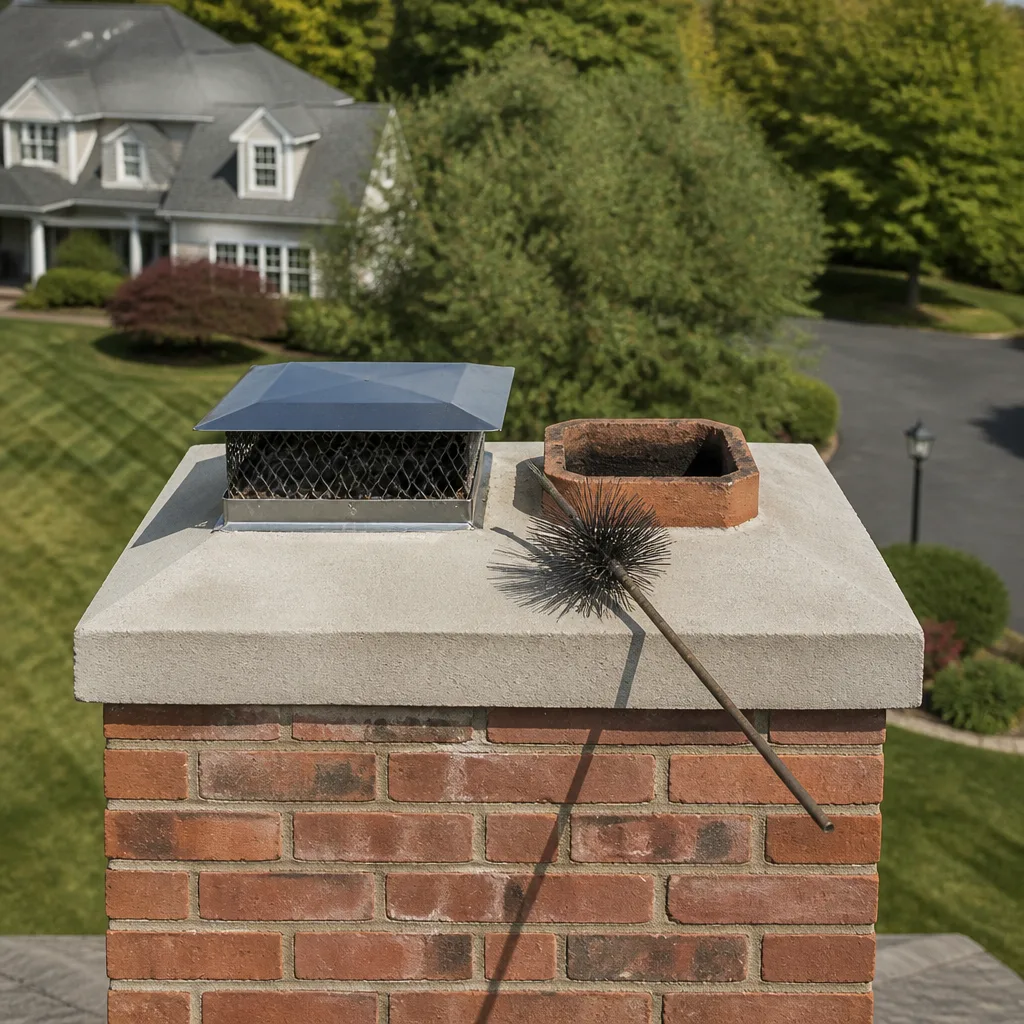 Sweep & inspection
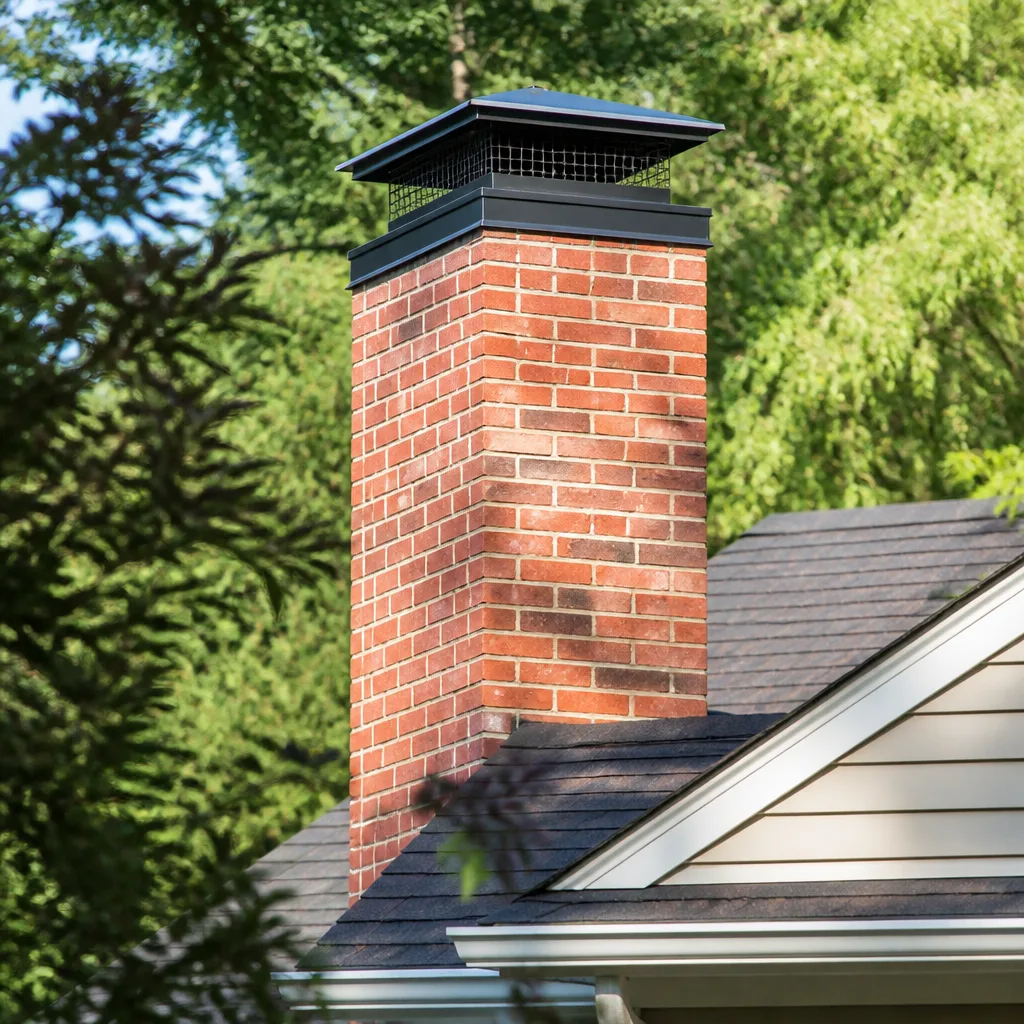 Caps & crowns
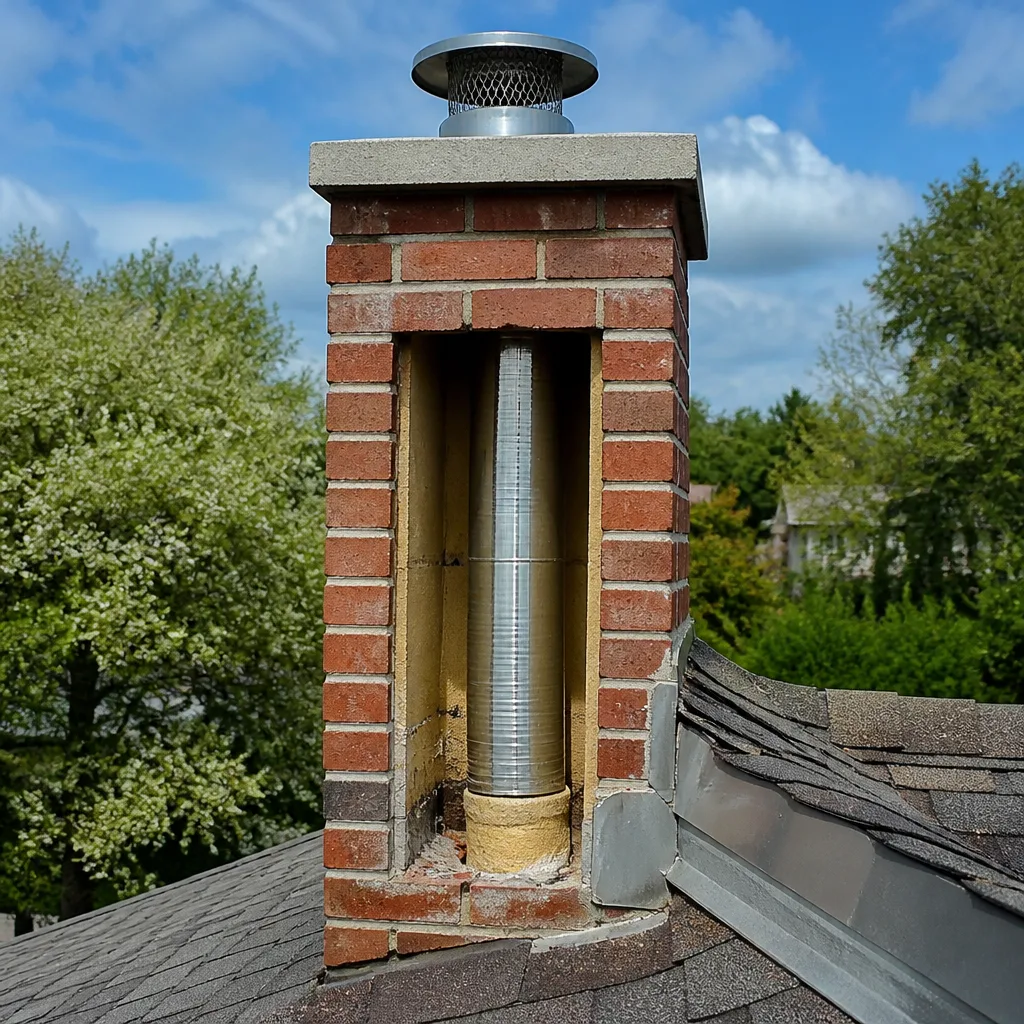 Flue relining
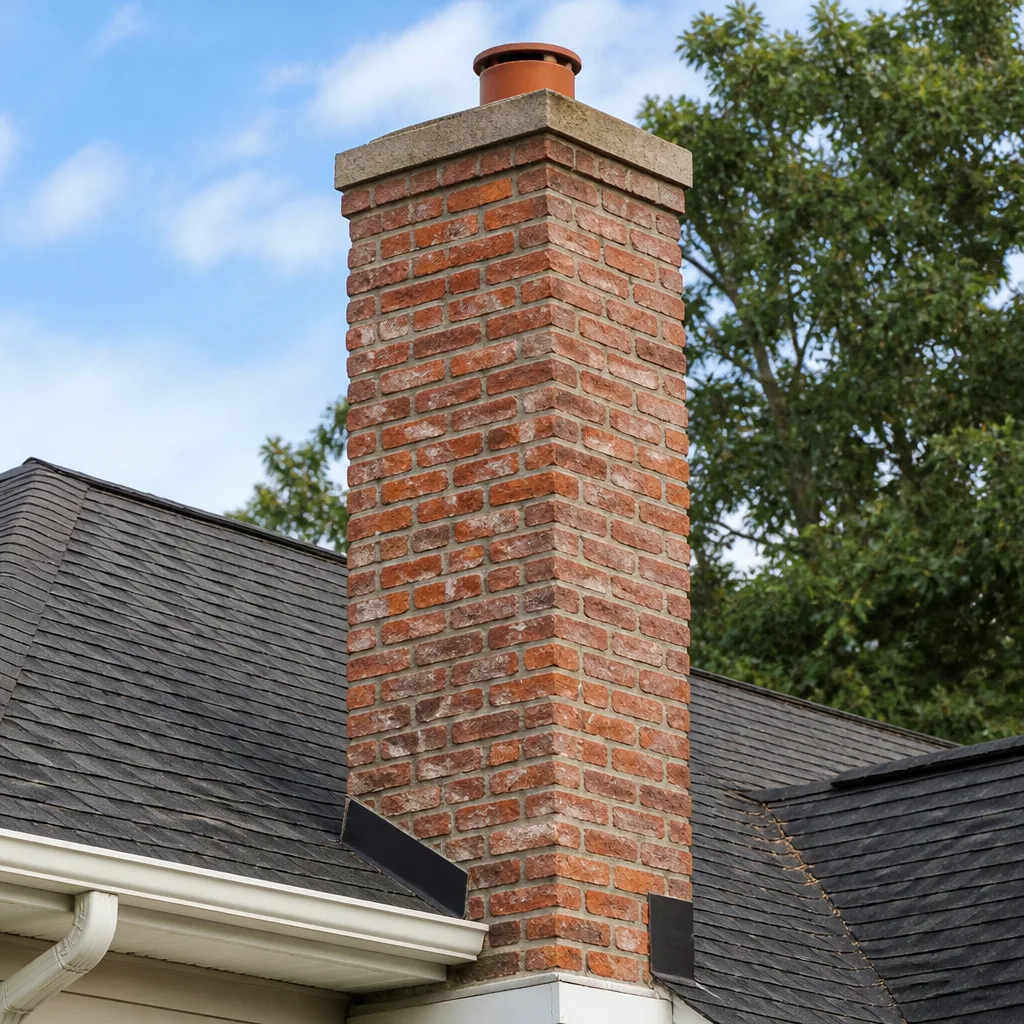 Masonry repair
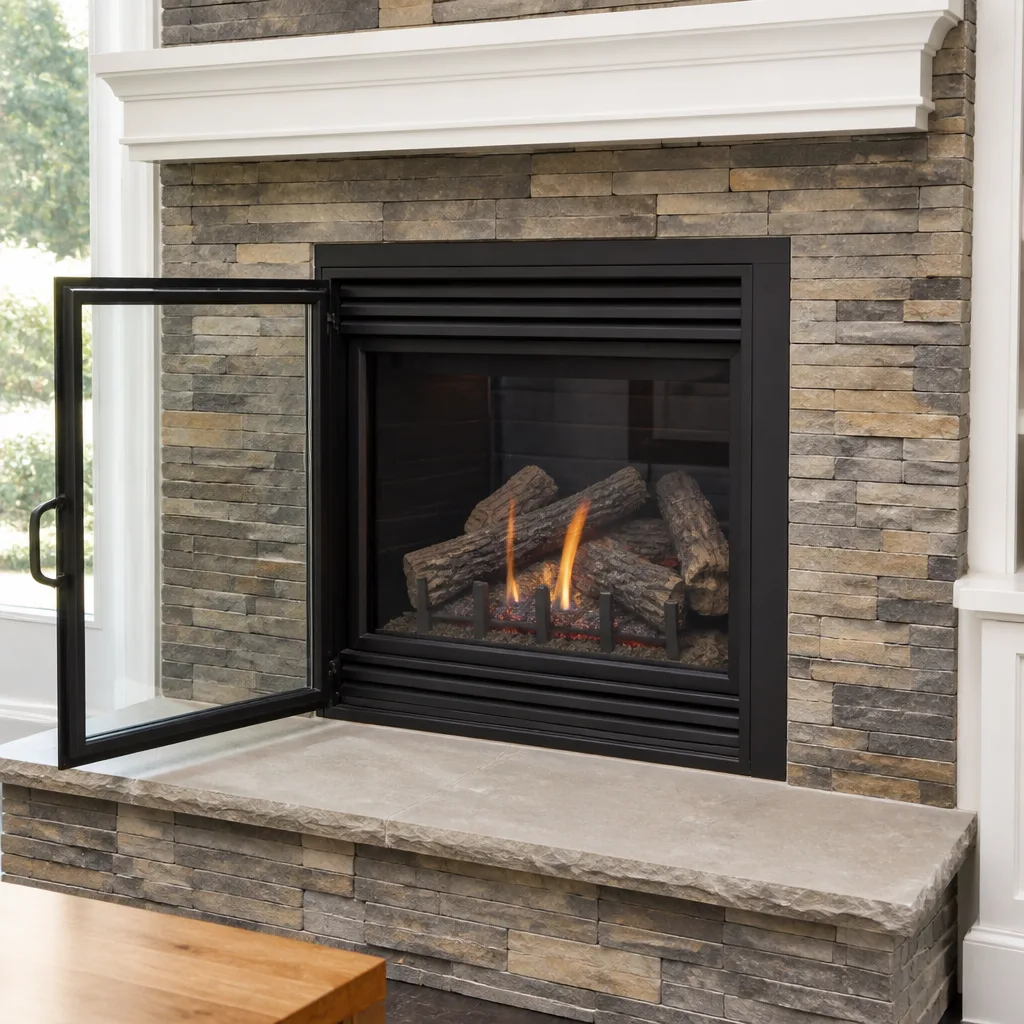 Gas fireplace service
Level 1 sweep and inspection to the NFPA 211 annual standard - flue, crown, cap, and flashing checked and photographed
Chimney sweep logs do not sweep chimneys. They loosen some creosote - which then falls where a brush and vacuum still have to collect it.
Chimney Sweep Maintenance Checklist for Huntington Beach Homeowners
The chimney crown is the most neglected component in California homes, and it’s easy to see why. It sits at the top of the stack, out of sight from the driveway, and it fails slowly. A hairline crack that a sweep could seal during a routine visit lets water into the masonry every time it rains. Left alone through one wet winter, that water works down into the flue, rusts the damper, and softens the liner. The repair that started as crown work turns into relining. This guide walks through every component of a Huntington Beach chimney system, separating what you can check yourself from what needs a trained eye and the right tools.
Quick Answer
A chimney maintenance checklist for Huntington Beach covers three tiers: things you can see and record yourself (crown cracks, spalling brick, white staining, draft behavior, smoke smell), things only a sweep can assess with a camera and tools (flue liner integrity, smoke chamber coating, damper seal), and seasonal timing tied to Southern California’s fire season and offshore wind patterns. Schedule the professional inspection before your first burn of the season, keep a written log of every visit, and address crown and cap issues before the rainy months arrive.
Styles & brands we work with
- Sweep & inspection
- Caps & crowns
- Flue relining
- Masonry repair
- Gas fireplace service
Table of Contents
- Why a Once-a-Year Sweep Isn’t a Maintenance Plan
- What You Can Check Yourself: The Owner-Observable List
- What Only a Sweep Can Assess: The Professional Inspection Points
- Seasonal Timing for Huntington Beach: Fire Season and Offshore Flow
- Product-Specific Maintenance Cues: When HeatShield Is the Right Call
- Building a Service Log That Matters at Insurance and Resale
- Your Annual Chimney Maintenance Steps, In Order
- What This Maintenance Typically Costs
Why a Once-a-Year Sweep Isn’t a Maintenance Plan
A sweep cleans the flue. That’s important, but it’s one part of a system that includes the firebox, the damper, the smoke chamber, the flue liner, the crown, the cap, and the masonry outside. Any of those can fail while the flue itself stays clean. We’ve seen chimneys in Huntington Beach where the flue was swept on schedule but the crown had been cracked for two seasons, and the damage had already moved into the liner by the time anyone looked up top.
A maintenance plan treats the whole assembly. That means:
- Cleaning the flue and firebox to remove creosote and soot buildup.
- Inspecting every component from the firebox to the crown, including parts you can’t see without a camera.
- Repairing small problems before they spread: a crown crack, a loose cap, a damper that no longer seals, a smoke chamber coating that’s flaking.
- Documenting what was found, what was done, and what to watch.
The distinction matters most for homeowners in older Huntington Beach neighborhoods where the housing stock dates back decades and the chimney may have been through several owners with inconsistent care. A sweep alone tells you the flue is clear. A full-system inspection tells you whether the chimney will still be sound in five years. That’s the difference between maintenance and a cleaning.
If you want the cleaning piece handled by technicians who also understand the rest of the system, that’s what a proper chimney sweep visit covers. The sweep is the entry point, and the inspection that comes with it is what actually protects the house.
What You Can Check Yourself: The Owner-Observable List
You don’t need tools or training to catch a lot of problems early. Set aside two or three hours on a clear morning and work through these items from the ground up. Bring a notebook or your phone and write down what you find. The goal isn’t to fix anything yourself, it’s to notice changes and describe them accurately when you call.
- Walk the exterior and look up. Stand back far enough to see the full chimney stack. Check the crown (the concrete slab at the very top) for visible cracks, crumbling edges, or a surface that looks like it’s pulling away from the flue. Note any dark streaks running down the masonry, which suggest water is getting in somewhere above.
- Look for spalling brick. Spalling is when the face of a brick flakes off or crumbles. It’s usually a sign that moisture has been cycling through the masonry. On Huntington Beach homes, the brick face on the south and west sides of a chimney tends to show it first because those surfaces take the most direct sun and heat.
- Check for efflorescence. That white, powdery staining on brick or mortar is salt that’s been pushed to the surface by water moving through the masonry. It isn’t always a serious problem on its own, but recurring efflorescence points to chronic moisture. Photograph it and note where it appears.
- Test the draft with a smoke test. Light a small piece of newspaper in the firebox with the damper open and watch the smoke. It should rise steadily up the flue. If it rolls back into the room, drifts sideways, or hesitates before rising, that’s a draft problem worth investigating. Do this only on a calm day; wind outside affects the result.
- Note any smoke odor in the room. A fireplace that smells like smoke when it isn’t burning usually means the damper isn’t sealing or there’s a pressure imbalance pulling air down the flue. Persistent odor after a fire has been out for hours is worth mentioning to your sweep.
- Look at the firebox interior. Check for cracked firebrick, missing mortar joints, or a metal grate that’s rusted through. You don’t need to diagnose it, just record the condition.
- Inspect the damper by hand. Open and close it a few times. It should move without grinding and close flush. A damper that sticks open or won’t seal wastes heat and lets conditioned air escape up the chimney year-round.
None of these checks require you to climb on the roof. Do them from the ground and from inside the firebox only. If you find something that concerns you, write it down and bring it to your sweep.
What Only a Sweep Can Assess: The Professional Inspection Points
There’s a category of chimney condition that a homeowner simply cannot evaluate, no matter how careful they are. These items require a camera, a flashlight, hand tools, and the training to interpret what’s visible. This is where the professional inspection earns its place in your maintenance plan.
- Flue liner integrity. The liner is the inner wall of the flue, and it’s what keeps heat and combustion gases away from the surrounding structure. From the firebox you can only see the bottom few feet. A sweep runs a camera the full length to look for cracks, gaps at the joints, spalling, and areas where the liner has deteriorated. A damaged liner is a fire and carbon monoxide concern, and it’s not something you can judge from below.
- Smoke chamber coating condition. The smoke chamber is the tapered space between the damper and the flue. Its walls are often corrugated masonry, which collects creosote and is hard to clean by hand. A sweep assesses whether the coating is intact or whether the surface has become rough and pitted. Rough surfaces hold creosote and are harder to keep clean, which is where resurfacing comes in.
- Damper seal. A sweep checks whether the damper closes tight against its frame and whether the frame itself is warped or rusted. A damper that looks fine from the room can still leak air and moisture.
- Crown and cap attachment. From the roof, a sweep can see whether the crown has separated from the flue, whether the cap is properly secured, and whether the mesh is intact. A loose cap or missing screen lets birds, squirrels, and rain into the flue.
- Creosote level and type. Creosote builds in stages, from light soot to a glazed, hard layer that’s difficult to remove. A sweep can tell you which stage you’re at and how often you should be swept based on how you burn.
We use a camera inspection and photo report on every visit so you can see exactly what we see. Nothing gets recommended without evidence you can look at yourself. If the liner is sound and the crown is intact, we’ll tell you that and you can wait on the next sweep. If something needs attention, you’ll see the photo before you decide. That’s the standard for a chimney sweep in Huntington Beach that handles the full system rather than just the flue.
Seasonal Timing for Huntington Beach: Fire Season and Offshore Flow
Southern California’s burn season runs roughly from late fall through early spring, but the timing that matters for chimney maintenance is a bit earlier. The window between the end of summer and your first fire is when you want the inspection done. That gives you time to address anything the sweep finds before you’re relying on the fireplace for heat or ambience.
Offshore flow patterns are the local weather factor worth understanding. When high pressure sits over the interior and air pushes toward the coast, Huntington Beach gets dry, gusty winds and low humidity. Those conditions do two things to a chimney. First, they increase the fire risk in the surrounding landscape, which makes any chimney-related fire hazard in your home more serious. Second, the dry air and wind-driven debris can work on a cracked crown or a loose cap, widening small gaps and pushing water into places it wouldn’t reach on a calm day.
Here’s how the seasonal calendar breaks down for a Huntington Beach homeowner:
- Late summer to early fall: Book the sweep and inspection before the first burn. This is the best time to find and fix crown and cap issues before the rainy season.
- Before the rainy months: Any crown or cap repair should be complete. Water intrusion is the leading cause of chimney masonry deterioration in this climate, and the crown is the first line of defense.
- During burn season: Keep an eye on draft behavior and smoke odor. If anything changes mid-season, note it and call.
- Spring: A good time for a second look if you burned heavily, and a good time to schedule any repair work that can wait for dry weather.
Homes near the Santa Ana River corridor and the inland edges of Huntington Beach see more of the dry wind pattern than properties closer to the water. If your chimney takes the brunt of that flow, it’s worth a closer look at the cap and crown each fall. chimney cap & crown work is preventive in exactly this way: it catches the problem before it becomes an interior repair.
Product-Specific Maintenance Cues: When HeatShield Is the Right Call
Not every chimney needs the same treatment, and one of the things a proper inspection tells you is which product is right for the condition found. The two most common decision points are the smoke chamber and the liner.
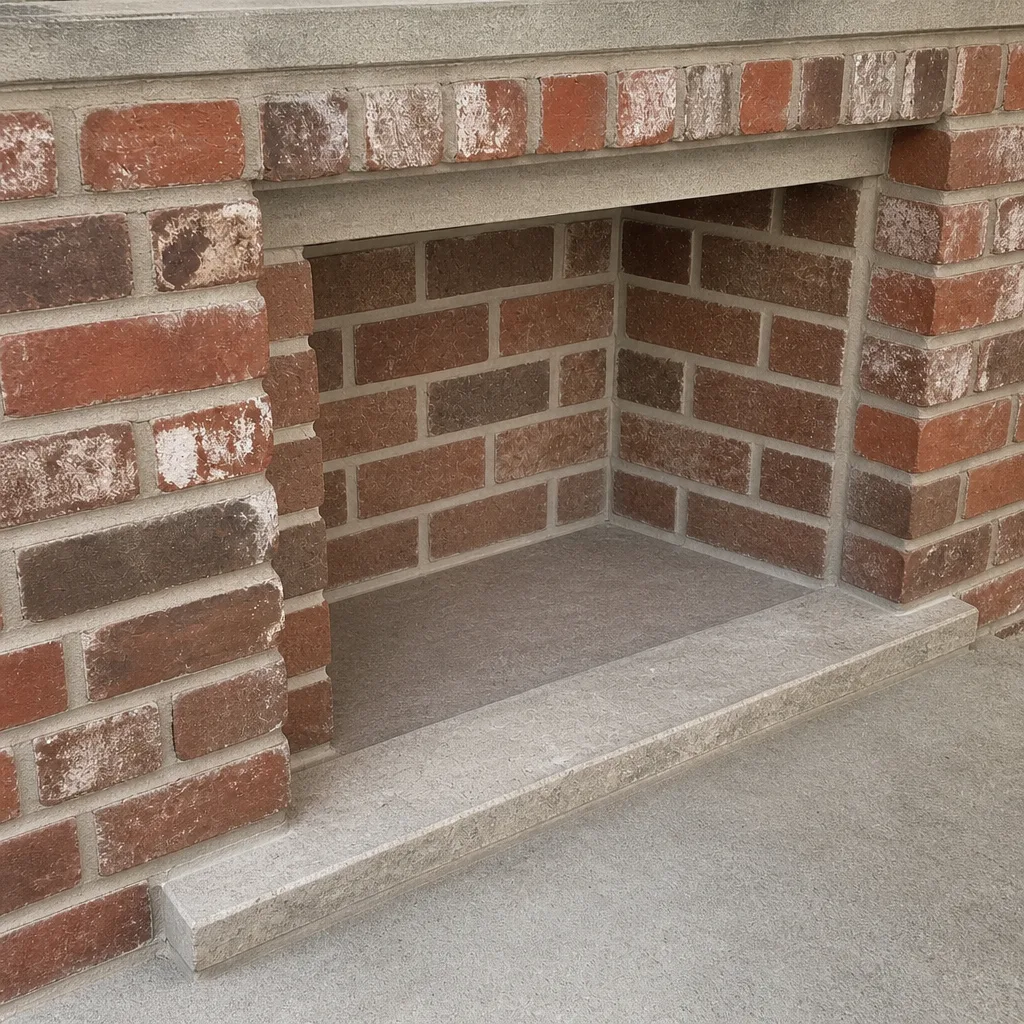
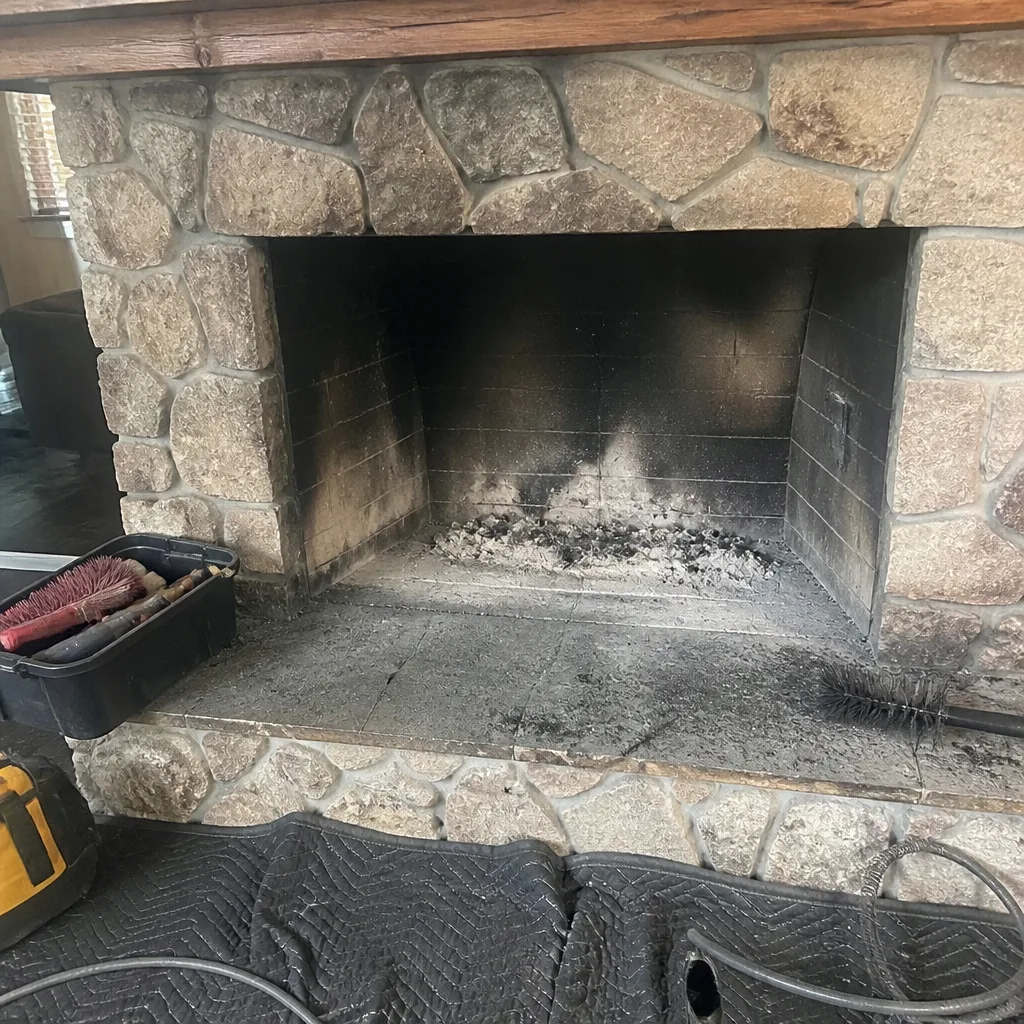
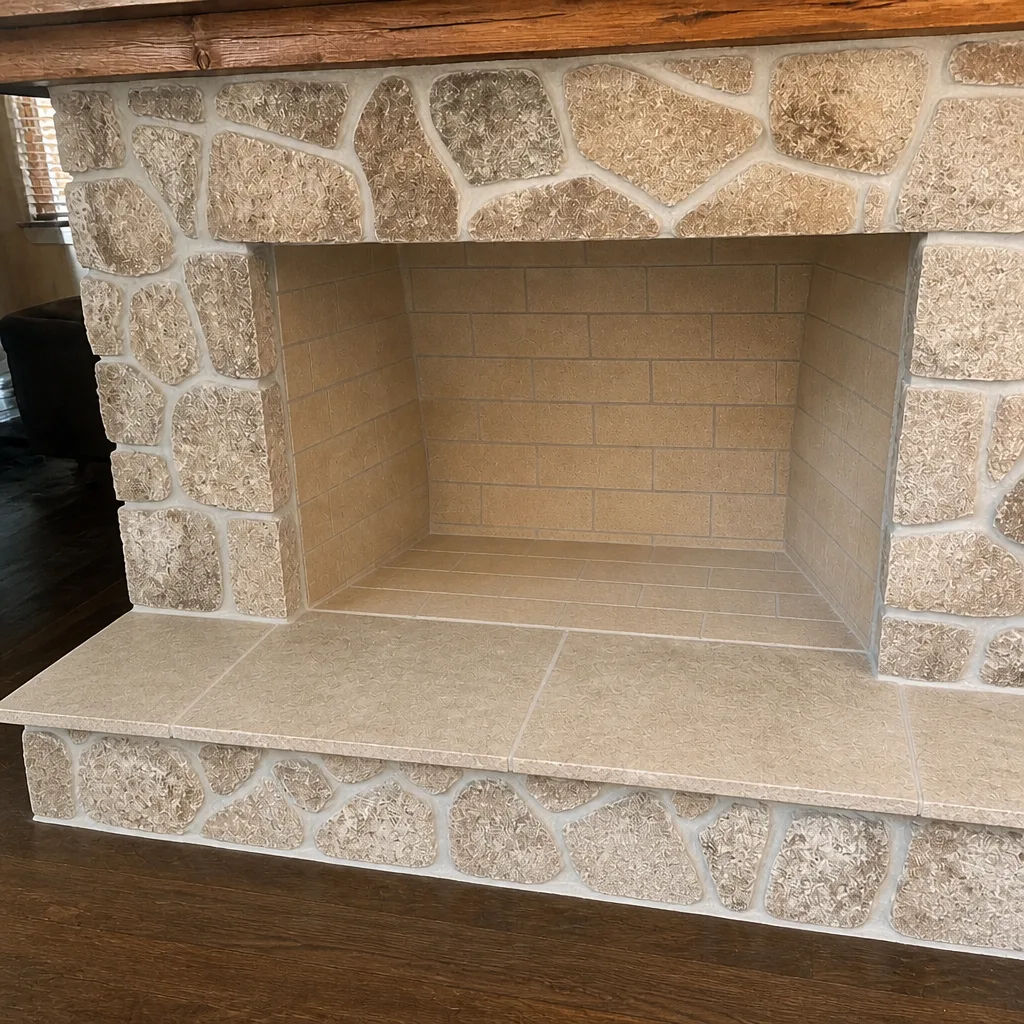
The smoke chamber. If the inspection shows a smoke chamber with rough, pitted, or deteriorating walls, a standard sweep won’t fix it. Cleaning removes creosote, but it doesn’t smooth the surface. That’s where HeatShield comes in. HeatShield is a resurfacing system that smooths the smoke chamber walls and restores them to a condition that’s easier to keep clean and safer to use. It’s a restorative step, not a routine one. If your smoke chamber coating is intact and the walls are smooth, a standard sweep is sufficient and you don’t need resurfacing. The inspection determines which situation you’re in.
The flue liner. If the camera inspection shows cracks, gaps, or deteriorated sections in the liner, the fix depends on the extent of the damage. A flexible liner system like DuraFlex is used to reline an aging or damaged flue when the existing liner can’t be salvaged. This is a bigger job than a sweep, and it’s the kind of work that a single-service sweep company can’t do. Because we handle the full system, the same company that inspects your liner can install the replacement and document it afterward.
Other professional-grade materials we work with include Olympia Chimney and Gelco for components and accessories, and Famco for venting and caps. The point isn’t the brand list. It’s that the right product gets matched to the specific problem the inspection found, rather than a one-size-fits-all repair. That’s the “right repair for the specific problem” approach, and it’s what separates a maintenance plan from a sales pitch.
Building a Service Log That Matters at Insurance and Resale
A chimney service log is one of those documents that seems unimportant until you need it. When you sell a home, a buyer’s inspector will look at the chimney and may flag it as a question mark. When you file an insurance claim related to a chimney fire or water damage, the adjuster will want to know the maintenance history. A written log answers both questions with dates and specifics instead of a shrug.
Here’s a simple template you can keep in a folder or a notes app. Every sweep visit should produce most of this:
- Date of service and the name of the company that performed it.
- Type of service: sweep, inspection, repair, cap and crown, liner work.
- Findings: what the inspection showed, in plain language. Note the creosote level, liner condition, smoke chamber condition, damper condition, crown and cap condition.
- Photos: keep the camera inspection photos with the log entry. This is the evidence that matters most if a question comes up later.
- Work performed: what was cleaned, repaired, or replaced, and which products were used.
- Recommendations for next time: what to watch and when to schedule the next visit.
Keep the log with your home maintenance records, alongside HVAC service and roof inspections. When you go to sell, you can hand a buyer a documented history of the chimney system. That’s a small thing that removes a big question mark from the transaction. It also gives the next owner a baseline, which is more than most Huntington Beach homes have when they change hands.
Your Annual Chimney Maintenance Steps, In Order
Here’s the sequence we recommend for a Huntington Beach homeowner working through a full year of chimney care. The order matters because each step informs the next.
- Do the owner-observable walkthrough first. Before you call anyone, run through the checklist in the section above. Write down what you see: crown cracks, spalling, efflorescence, draft behavior, odor, damper feel, firebox condition. This gives you a baseline and makes the conversation with your sweep more useful.
- Book the sweep and inspection before your first burn of the season. Late summer to early fall is the target. The sweep cleans the flue and inspects the full system with a camera. Ask for the photo report.
- Review the findings together. Anything the inspection flags should come with a photo and a plain explanation. If the liner and crown are sound, you’re done for the year beyond the cleaning. If something needs work, you’ll see why.
- Schedule crown and cap repairs before the rainy months. This is the step most homeowners skip, and it’s the one that prevents the expensive repair later. A cracked crown or a loose cap is a water entry point, and water is what drives masonry deterioration.
- Address smoke chamber or liner issues based on the inspection. If the smoke chamber needs resurfacing, HeatShield is the right tool. If the liner is damaged, a flexible liner system is the fix. Both are decisions made from the inspection evidence, not from a guess.
- Record everything in your service log. Date, findings, work performed, products used, photos, recommendations. File it with your home records.
- Repeat the observable walkthrough mid-season and after the burn season. If anything changes, note it. If nothing changes, you’ve confirmed the system is holding.
That’s a full year of chimney care in seven steps. Most of it is observation and record-keeping. The professional portion is the sweep and inspection, and the repair work if the inspection calls for it. For the interior components, fireplace repair covers the damper, firebox, and related parts when they need attention.
What This Maintenance Typically Costs
Costs vary with the condition of the chimney and the extent of the work, so treat these as typical ranges rather than quotes. The written estimate after the inspection sets the final price.
- Standard sweep and inspection: typically a modest flat fee, and it’s the foundation of the whole plan.
- Crown repair or resealing: a small job compared to the damage it prevents, and it’s the highest-value preventive item on the list.
- Cap installation or replacement: priced per cap and fit, usually a straightforward job once the crown is sound.
- Smoke chamber resurfacing with HeatShield: more than a sweep, less than a reline, and only needed when the inspection shows the chamber surface is deteriorated.
- Liner replacement with a flexible system: the largest line item, and the one that a cracked crown left unaddressed can eventually force.
The throughline is that the small preventive items protect against the large restorative ones. A crown repair done early is a fraction of a reline. That’s the whole case for a checklist over a once-a-year sweep.
Common Mistakes to Avoid
- Treating the sweep as the whole plan. A clean flue with a cracked crown is still a chimney that’s taking on water. Insist on a full-system inspection, not just a cleaning.
- Ignoring the crown because it’s out of sight. The crown is the most neglected component in California homes. If you can’t see it from the ground, ask your sweep to photograph it.
- Skipping the inspection because the fireplace “works fine.” A chimney can draft well and still have a damaged liner. Draft is not a test of liner integrity.
- Scheduling only after a problem appears. By the time smoke backs up or you smell smoke in the room, the issue has usually been developing for a while. The inspection is meant to catch it earlier.
- Not keeping records. A service history with dates, findings, and photos is worth having at resale and insurance time. Without it, you’re starting from zero every time.
- Letting a loose cap or missing screen go. An open flue is an invitation for birds, squirrels, and rain. A cap is a small fix that prevents a much larger cleanup.
- Assuming a repair quote is automatically necessary. Ask to see the photo. If the inspection doesn’t show the problem, you don’t have to take the recommendation on faith. Any legitimate sweep will show you the evidence.
See the difference
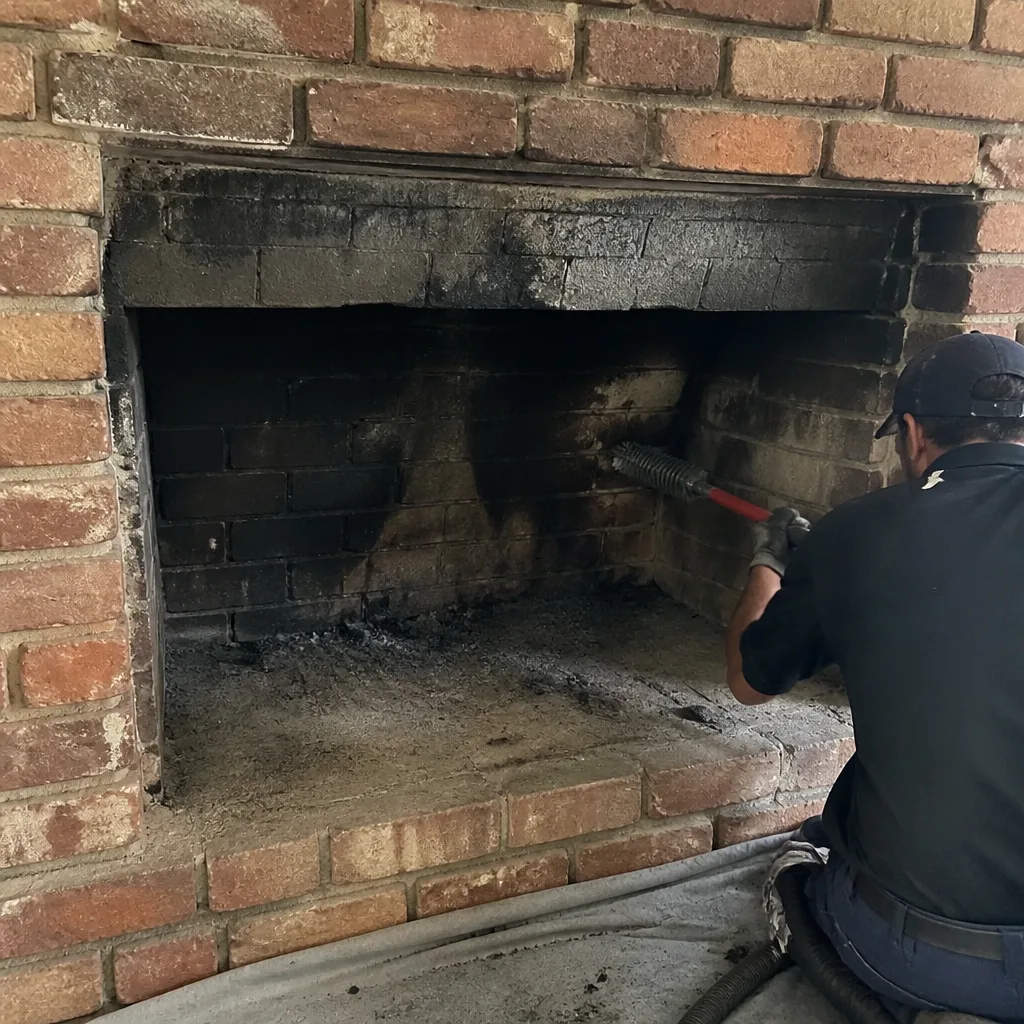 Before
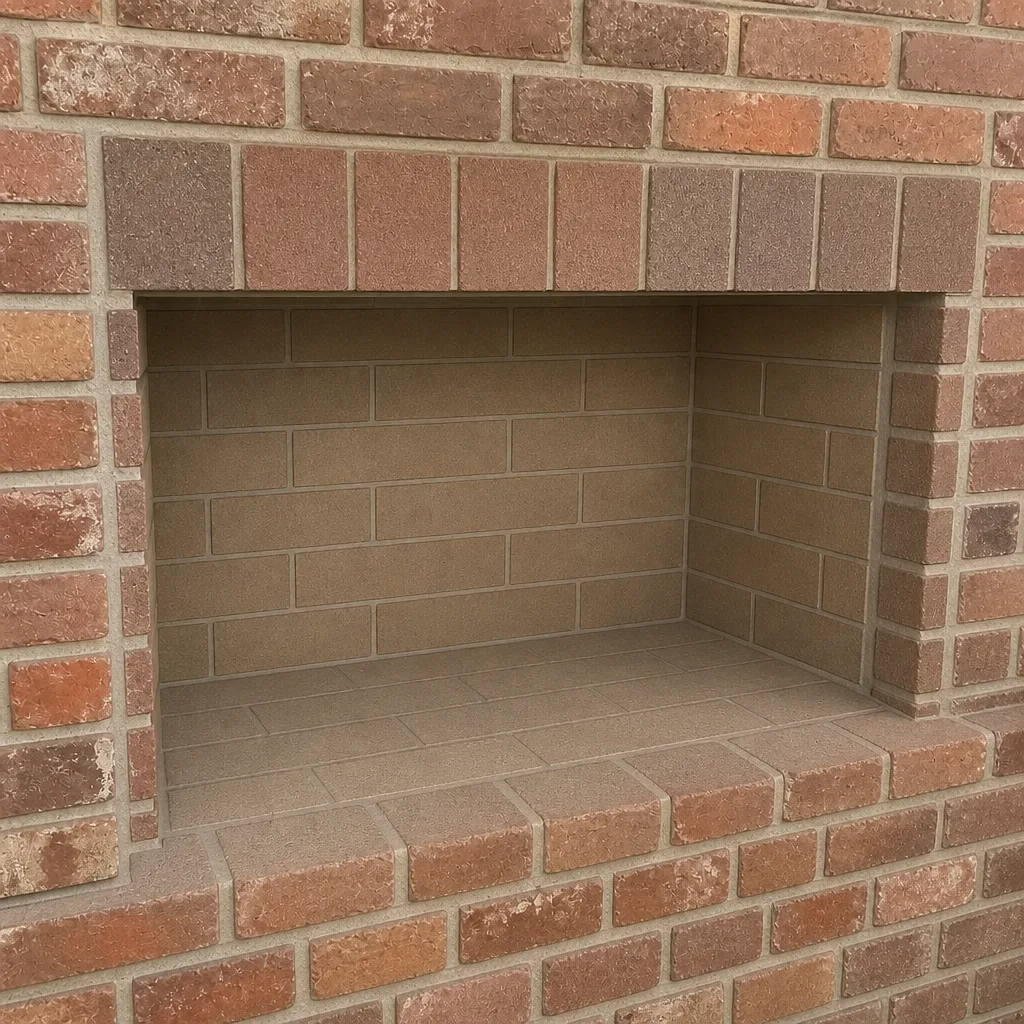 After
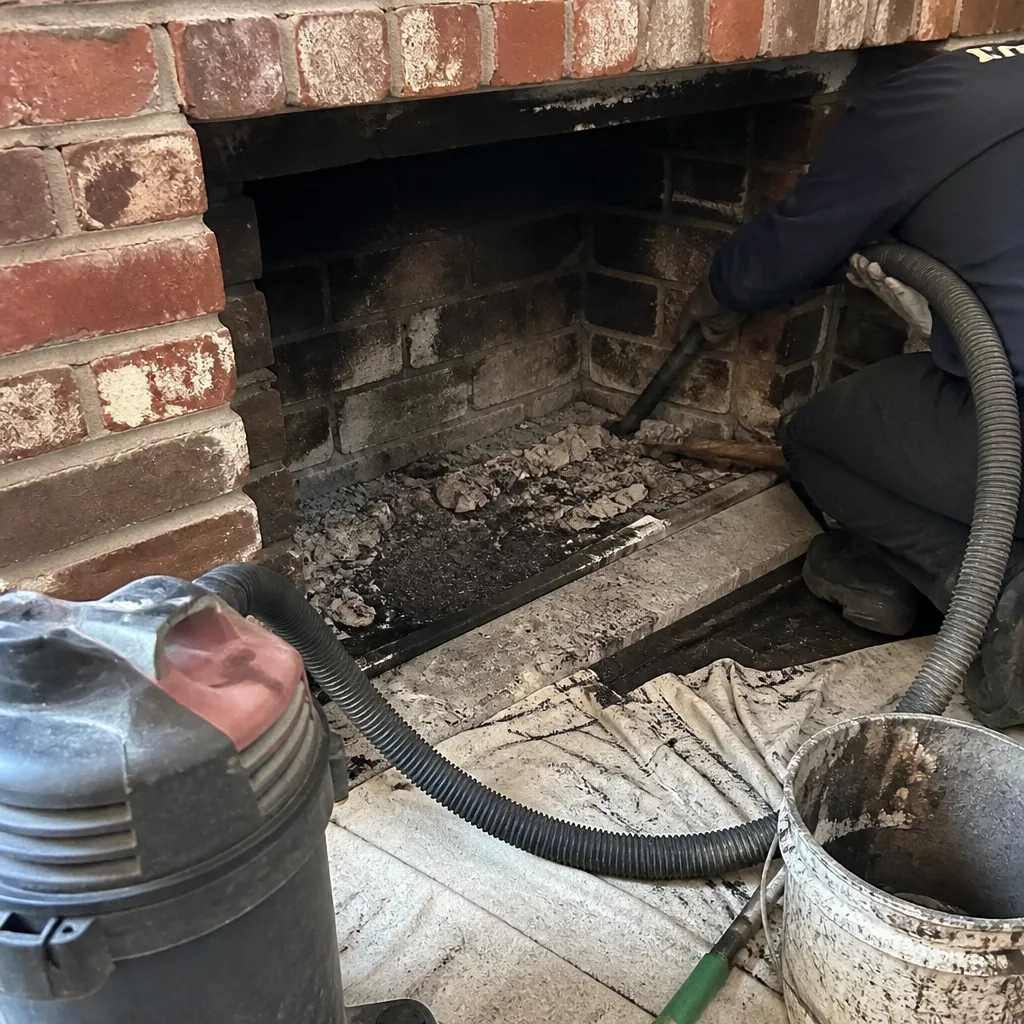 Before
 After
 Before
 After
When to Call a Professional
Call a professional when you notice any of these: smoke rolling back into the room instead of rising up the flue, a persistent smoke odor when the fireplace isn’t in use, visible cracking or crumbling on the crown, spalling brick or recurring efflorescence on the exterior, a damper that won’t seal, or creosote buildup that’s visible from the firebox. Call before your first burn of the season for a sweep and inspection, and call before the rainy months if the crown or cap needs work. Don’t climb on the roof yourself to investigate; the risk isn’t worth it. Huntington Beach Chimney Sweep Pros offers free estimates in Huntington Beach. Call (877) 770-0951. We answer 24/7. Fast dispatch from 7am to 7pm, Sunday through Friday.
Frequently Asked Questions
Most homes that burn regularly should be swept once a year, before the burn season starts. Homes that burn heavily or use unseasoned wood may need it more often, and the inspection will tell you which category you’re in. Call (877) 770-0951 for a free estimate and we’ll help you set a schedule.
You can observe the exterior and the firebox, and you should. Crown cracks, spalling brick, efflorescence, draft behavior, and damper feel are all things you can check from the ground or from inside. What you can’t assess without a camera and tools is the flue liner, the smoke chamber coating, and the damper seal. Those require a trained sweep.
A sweep cleans the flue and firebox. An inspection evaluates the full system, including the parts you can’t see. A good visit includes both, and you should ask for the camera photo report so you can see what was found.
It depends on the smoke chamber condition. If the chamber walls are smooth and the coating is intact, a standard sweep is enough. If the inspection shows rough, pitted, or deteriorating surfaces, HeatShield resurfacing restores the chamber. The photo report tells you which situation applies.
Late summer to early fall, before your first burn and before the rainy months. That timing lets you fix crown and cap issues before water gets in. If you’ve already started burning and something feels off, call now rather than waiting. We answer 24/7 and dispatch from 7am to 7pm, Sunday through Friday, closed Saturday. Call (877) 770-0951.
The crown is the first line of defense against water entering the masonry. A crack that looks minor lets water in every time it rains, and over a season that water works down into the flue and liner. Crown repair done early is far less expensive than the reline that a neglected crack can eventually require.
The Bottom Line
A chimney maintenance plan for a Huntington Beach home is a checklist, not a single appointment. Run the owner-observable items yourself from the ground and the firebox, and record what you see. Book the sweep and inspection before the first burn of the season, and ask for the photo report. Fix the crown and cap before the rainy months, because water is what turns a small repair into a big one. Resurface the smoke chamber with HeatShield only when the inspection shows it’s needed, and use a flexible liner system when the liner is actually damaged. Keep the log. That’s the whole plan. For help working through it, Huntington Beach Chimney Sweep Pros handles sweeps, inspections, fireplace repair, and cap and crown work across the full system. Call (877) 770-0951 for a free estimate. We answer 24/7. Fast dispatch from 7am to 7pm, Sunday through Friday.
Written by the team at Huntington Beach Chimney Sweep Pros.