
Last updated November 24, 2026
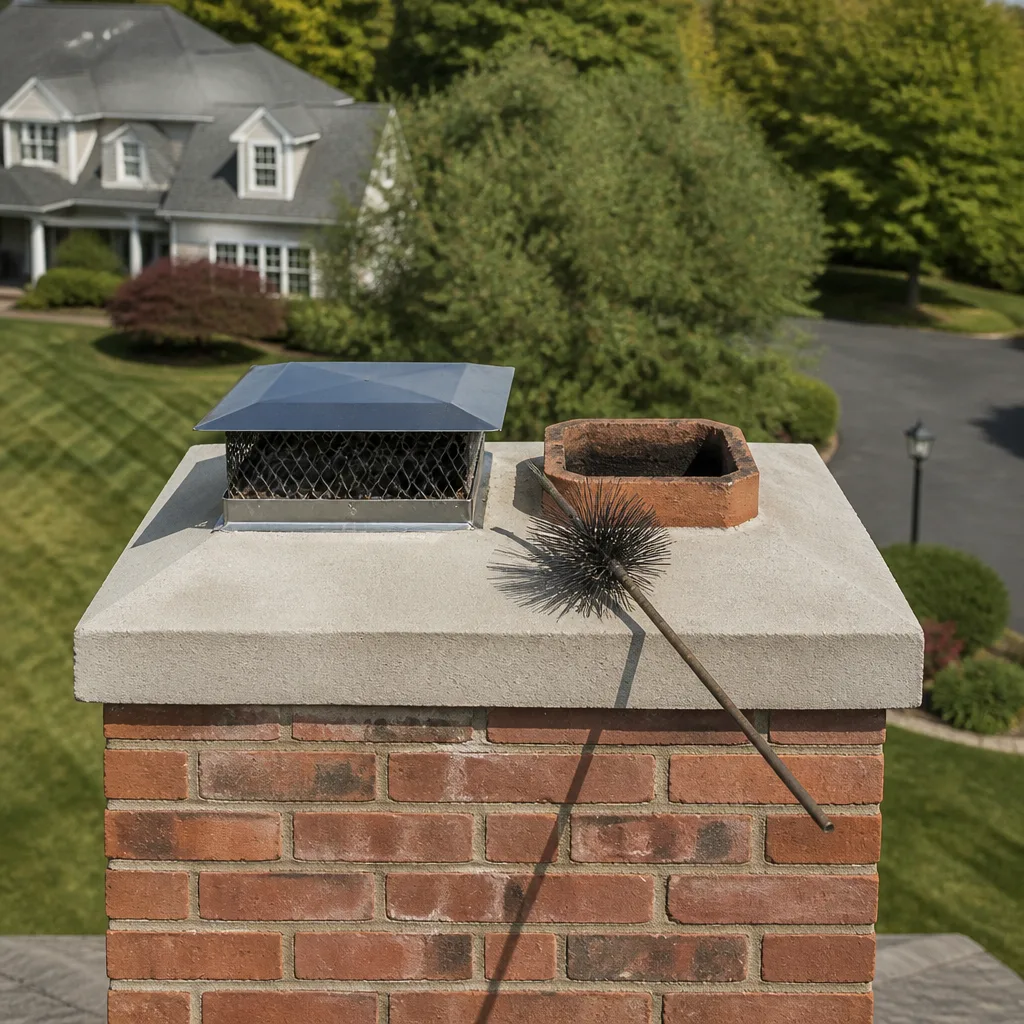 Sweep & inspection
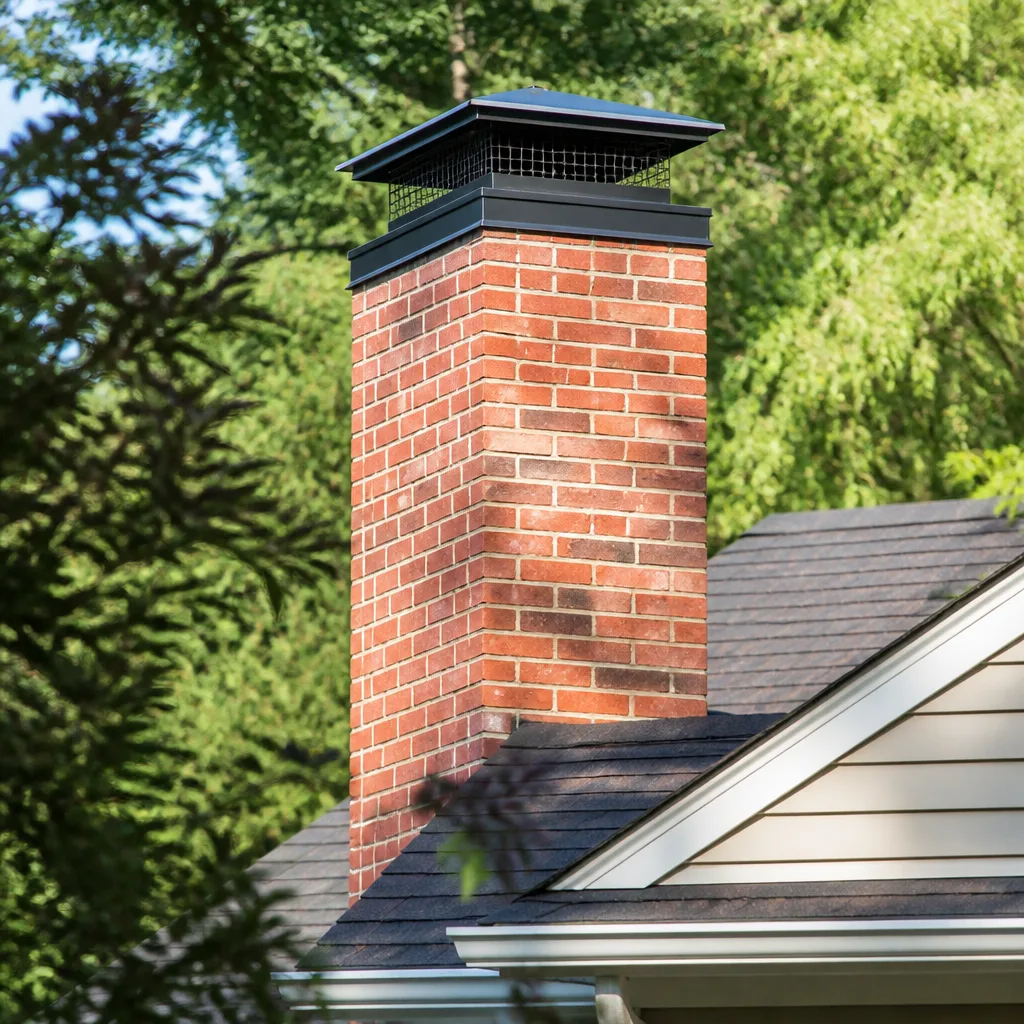 Caps & crowns
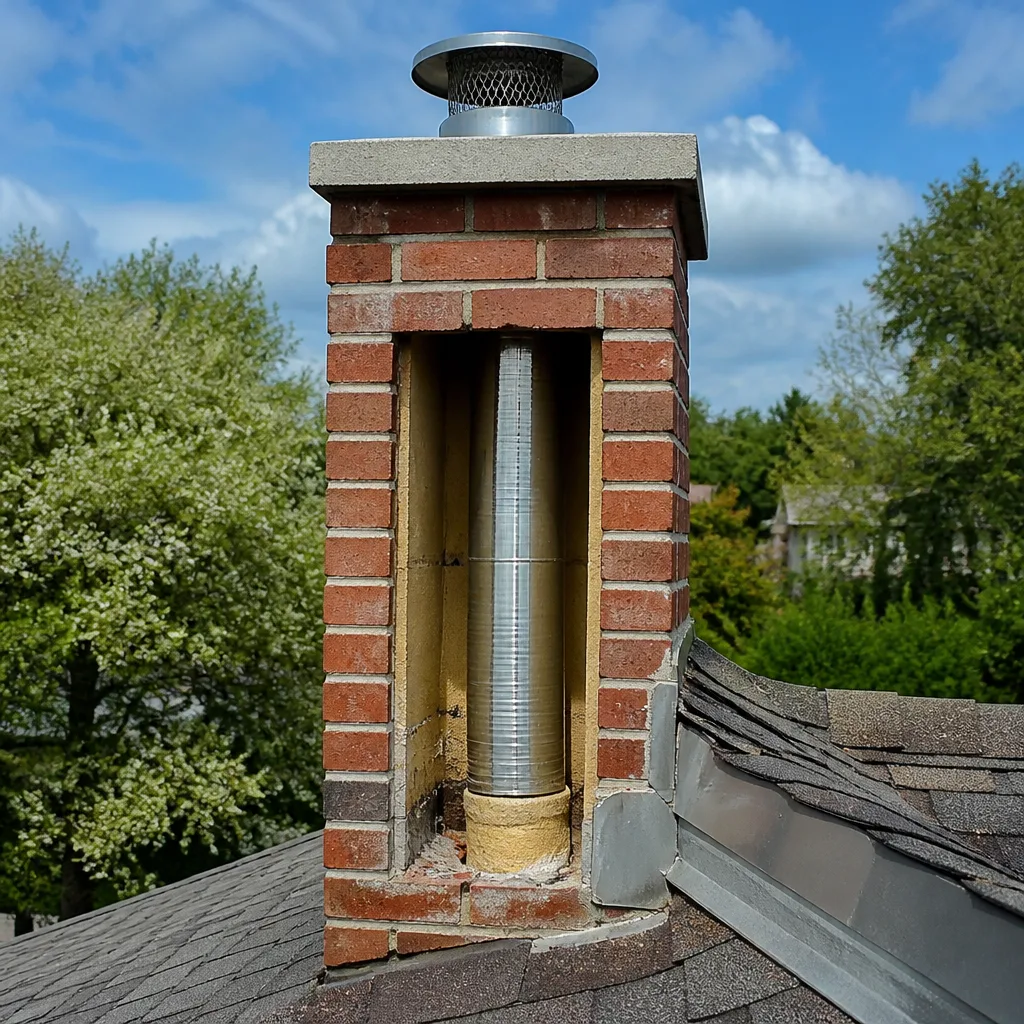 Flue relining
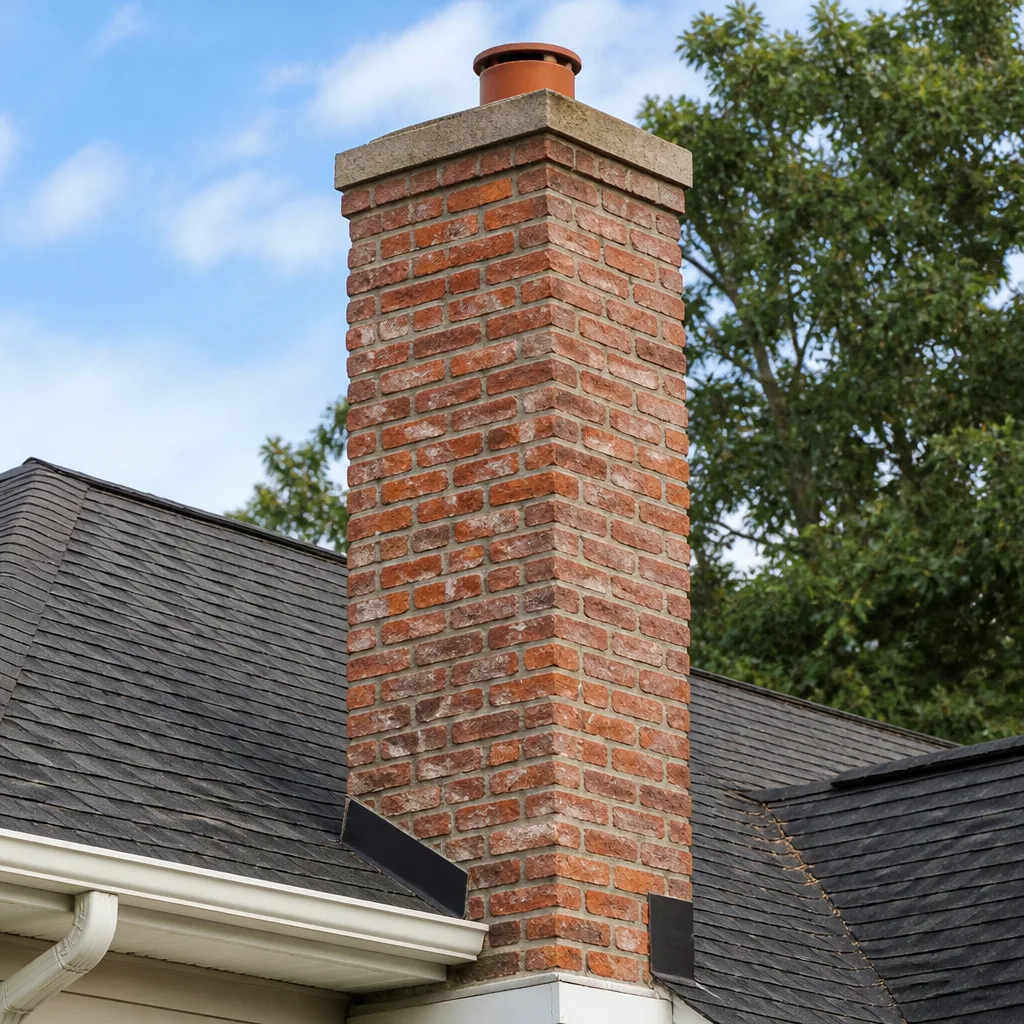 Masonry repair
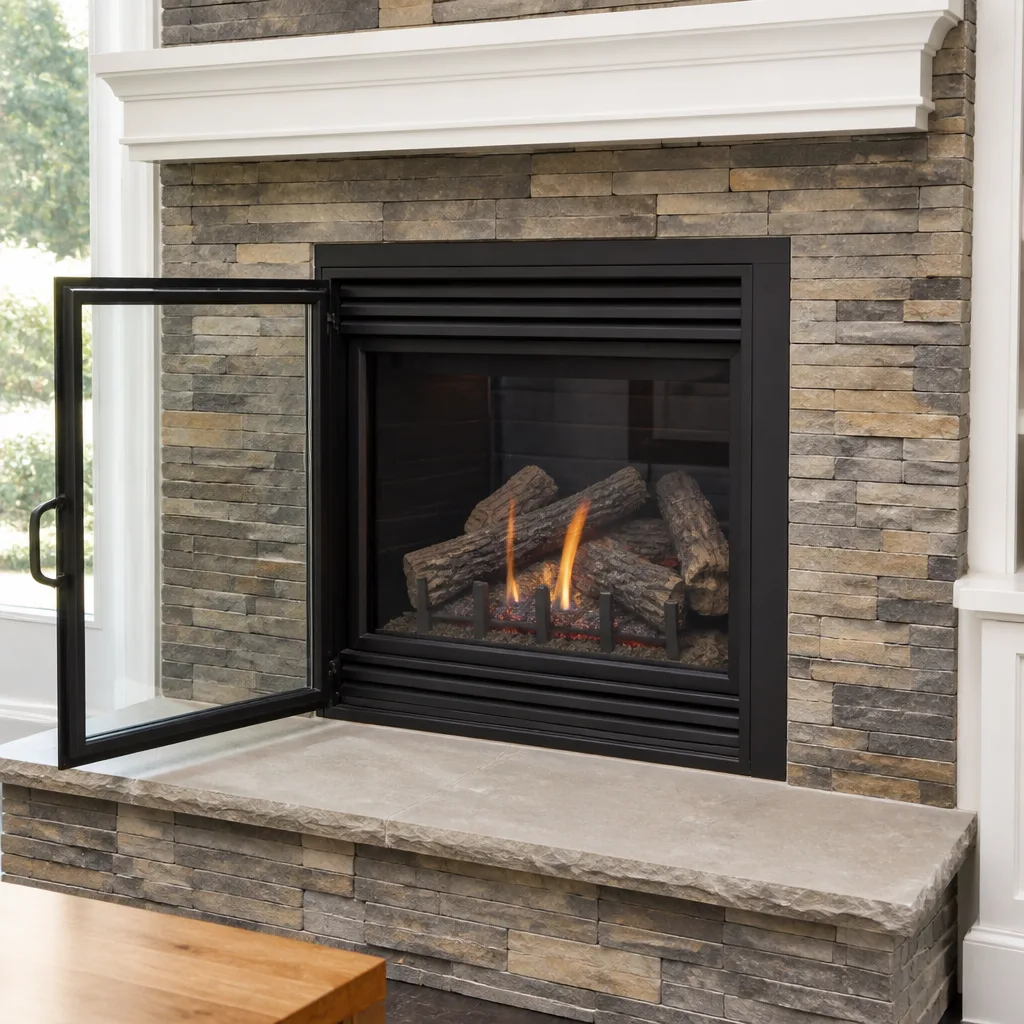 Gas fireplace service
Level 1 sweep and inspection to the NFPA 211 annual standard - flue, crown, cap, and flashing checked and photographed
Chimney sweep logs do not sweep chimneys. They loosen some creosote - which then falls where a brush and vacuum still have to collect it.
Chimney Cleaning Permits, Codes & Inspections in Huntington Beach, CA: What You Need to Know
Here’s the part that surprises most homeowners: the cleaning itself is the easy question. A routine sweep almost never needs a permit. But the work that a sweep uncovers, such as a cracked liner, a failing firebox, or a new gas insert, sits squarely inside California’s permitting and contractor-licensing rules. That gap is where people get into trouble. A liner swapped out by an unlicensed installer can complicate an insurance claim and surface as an open permit at resale. In this guide we’ll walk through which chimney services in Huntington Beach require a permit and which are maintenance-exempt, how the Orange County permitting authority treats repair work, what NFPA 211 actually governs, and what your real options are if previous work on your chimney was done without a permit.
Quick Answer
In Huntington Beach, routine chimney cleaning and sweeping don’t require a building permit; they’re maintenance. But liner replacement, firebox rebuilding, chimney structural repair, and gas fireplace insert installation typically do require a permit from the local building authority, and gas insert and liner work should be done by a licensed contractor holding the right C-36 or C-61 classification. Inspections are how the work gets verified against the California Building Code and NFPA 211 before the permit closes.
Styles & brands we work with
- Sweep & inspection
- Caps & crowns
- Flue relining
- Masonry repair
- Gas fireplace service
Table of Contents
- Permit vs. Maintenance: What’s Exempt and What Isn’t
- The Local AHJ in Orange County: Who Signs Off
- NFPA 211 Explained in Plain English
- Gas Fireplace Inserts and Liner Work: Why They Need a Permit
- How a Chimney Inspection Actually Works
- Previous Work Without a Permit: What You Can Do
- Chimney Permits and the Resale Inspection
Permit vs. Maintenance: What’s Exempt and What Isn’t
The line between a permit-free cleaning and a permit-required repair comes down to whether you’re maintaining the chimney or altering its structure and venting. California’s building code treats the two very differently, and the Orange County permitting authority does too. A yearly chimney sweep removes creosote and soot; it doesn’t change the system. Relining a flue, rebuilding a firebox, and installing a gas insert all change what the chimney is rated to do, so they fall under permitting.
The table below lays out the most common Huntington Beach chimney services and their typical permit status. Treat it as a guide, not a substitute for a conversation with your local building department, since the authority having jurisdiction (AHJ) always has the final word.
- Chimney sweep / cleaning – Usually no permit. Routine maintenance.
- Level 1 or Level 2 inspection – No permit. This is diagnostic, not construction.
- Chimney cap and crown repair or replacement – Often no separate permit for minor cap work; crown rebuilding that alters the masonry structure may trigger one, so check with the AHJ.
- Flue liner replacement – Typically requires a permit. This is a structural and venting change.
- Firebox rebuild / fireplace repair of the firebox – Typically requires a permit. Masonry work alters the firebox geometry.
- Gas fireplace insert installation – Requires a permit and a licensed contractor. Venting and gas appliance installation are regulated.
- Structural chimney repair (rebuild, corbel work, chase work) – Requires a permit.
What that means practically: you can book a sweep with confidence that no paperwork is involved. But if a technician finds a cracked flue liner and you decide to reline, that job now touches the permit side of the ledger. Huntington Beach homeowners deserve to know that before the work starts, not after.
The full scope of what a professional handles, from sweep to chimney repair, sits on both sides of this line. A good specialist tells you which side a given job is on.
The Local AHJ in Orange County: Who Signs Off
The AHJ is the authority having jurisdiction: the local building department that issues the permit, reviews the drawings, and signs off on the inspection. In Huntington Beach, that’s the city’s building department. For chimney work, the permit process generally follows the same path as other residential structural and mechanical work, and it’s driven by the California Building Code and referenced standards like NFPA 211.
A typical permitting sequence for a chimney job in Huntington Beach looks like this:
- The contractor (or homeowner, if doing owner-builder work) submits a permit application describing the work: liner replacement, firebox rebuild, insert installation, or structural repair.
- The AHJ reviews the application, which may include the proposed materials and the venting calculation for liners or inserts.
- A permit is issued with conditions that specify what must be inspected and when.
- The work is performed, and the contractor calls for an inspection at the required stage.
- The AHJ inspector visits, checks the work against the code and the permitted scope, and signs off.
- The permit is closed. The signed record then becomes part of the home’s permit history.
What triggers an inspection is straightforward: any permitted alteration to the chimney or venting system. A liner that was pulled in is inspected for proper connection and clearance. A firebox rebuild is checked for material and dimension. A gas insert is checked for venting and its installation.
We’ve seen Huntington Beach jobs move smoothly when the permit is filed up front and inspected on schedule. Where things stall is when the work is done first and the homeowner is told the permit was “not really needed.” That’s the wrong order, and the AHJ can require tear-out on unpermitted work.
NFPA 211 Explained in Plain English
NFPA 211 is the national standard for chimneys, fireplaces, vents, and solid-fuel-burning appliances. In plain terms, it’s the reference that tells everyone what a safe chimney looks like: how much clearance there should be from combustible material, how a liner should fit and connect, what counts as a proper cap, and how a chimney should be inspected. California’s building code incorporates it, so it shapes what the local AHJ inspects your chimney against.
NFPA 211 also sets the inspection Levels, which is why they come up on practically every chimney job in Huntington Beach:
- Level 1 inspection – The basic check during a routine sweep. Readily accessible portions of the chimney, firebox, and flue are examined, usually with a camera.
- Level 2 inspection – Added when the property changes hands, the appliance changes, or there’s been an event like a chimney fire or a crack in the liner is suspected. It includes a camera inspection of the flue interior.
- Level 3 inspection – Reserved for the parts of the chimney that can’t be reached without opening up the structure, such as removing a section of drywall or a chase panel to inspect concealed portions.
When NFPA 211 applies to your project: any time the chimney or venting system is being inspected, repaired, replaced, or modified. For a routine cleaning, the standard guides the safety check. For a reline or insert, it’s the yardstick the AHJ uses at inspection.
You don’t have to memorize the code. But knowing the inspection Levels helps when a technician recommends a Level 2 camera inspection. It’s a standard step, not an upsell.
Gas Fireplace Inserts and Liner Work: Why They Need a Permit
Gas insert installation is the single most common chimney job in Huntington Beach that gets misclassified as a small upgrade. It isn’t. A gas insert introduces a fueled appliance into the home that needs proper venting, a connection to the gas supply, and ventilation clearances. Any licensed installer knows the work normally requires a permit, and California’s contractor licensing structure reflects that: depending on the scope, the installer should hold the right license classification, such as C-36 for sheet metal work or C-61 for the appropriate specialty. Gas and venting work is not a handyman job.
The same is true for flue liner work. Replacing a liner with a flexible system such as DuraFlex is a permitted alteration because it changes what the flue is rated to carry and how it vents. The installer documents the venting calculation, and the AHJ inspects the finished job. HeatShield, a resurfacing system that restores a deteriorating flue liner without a full replacement, sits in the same category: it’s a restorative change to the liner and should be treated as permitted work unless the AHJ tells you otherwise.
Why it matters beyond the permit: an unpermitted gas insert or liner complicates an insurance claim if there’s ever a fire or carbon monoxide event. Insurers ask whether the work was permitted and inspected. An open permit history is easier to explain than a missing one.
In our experience, the homeowners who get this right are the ones who ask two questions before any insert or reline job in Huntington Beach: “Does this need a permit?” and “What’s your license classification?” A straight answer on both tells you a lot.
How a Chimney Inspection Actually Works
A chimney inspection is how you find out exactly what condition your system is in, and it’s how any recommended repair gets verified. The inspection itself doesn’t require a permit. It’s the evidence that tells you whether the job is maintenance or a permitted alteration.
Here’s what a thorough inspection covers, top to bottom:
- Exterior check – Cap, crown, flashing, and masonry are examined for cracks, gaps, and water intrusion. The cap and crown are where water most often gets in, which is why chimney cap & crown work is preventive at its core.
- Firebox and damper – The firebox, damper, and smoke chamber are inspected for cracks, gaps, and debris buildup.
- Flue interior via camera – A camera run visits the full length of the flue to look for cracks, gaps at joints, and separation in the liner.
- Photo report – The findings are documented with photos so you can see what the technician sees, rather than taking a recommendation on faith.
- Recommendations – Anything flagged gets categorized: repair now, monitor, or safe to wait. You shouldn’t be pushed into a liner or masonry job without visual evidence to back it up.
That photo report is the answer to the hesitation most homeowners feel: being told you need thousands of dollars of work you can’t verify. A camera inspection and a photo report put the evidence in your hands. If a repair can safely wait, a straight inspector says so.
The inspection also feeds directly into the permit question. If the findings are limited to sweep-level maintenance, no permit is needed. If the camera shows a failed liner or firebox damage, you now know a permit is in play before a single tool comes out.
Previous Work Without a Permit: What You Can Do
If you’ve found evidence that previous work on your chimney was done without a permit, the situation is manageable. The starting point is to figure out what was actually done and under what conditions. Then you work forward from there. There’s no undo button, but there are clear paths.
These are the realistic options:
- Get a current inspection. A Level 2 inspection with a camera documents the current condition. It tells you whether the unpermitted work is actually unsafe or just undocumented. That’s the first thing an AHJ or an insurer will want to know.
- Ask about after-the-fact permitting. Many AHJs will work with an owner to bring past work into compliance. The process usually involves an inspection to confirm the work meets code, and a permit issued for the work that was already done. Requirements vary, so ask the Huntington Beach building department directly.
- Correct what doesn’t meet code. If the inspection finds the unpermitted work doesn’t meet NFPA 211 or the building code, it will need to be corrected before the permit can close. That could mean a proper liner installation, a venting correction, or a firebox fix.
- Document the outcome. A closed permit and an inspection report are the record that protects you at resale and with your insurer. The paper trail is the point.
We’ve seen unpermitted work handled cleanly when a homeowner gets ahead of it with an inspection rather than letting it surface during a sale. The work involved is usually less than the homeowner feared, especially if the underlying install was done reasonably well and just needs verification.
For Huntington Beach homeowners, the practical rule is: find out what you’ve got, get it documented, and correct what’s unsafe. That sequence protects the value of the home.
Chimney Permits and the Resale Inspection
Most people discover a permit problem at the worst possible moment: during a home sale, when the buyer’s inspector flags an open or missing permit on the chimney. That’s 48 hours from closing, and it forces quick decisions under pressure. The good news is you can prevent it by treating the permit question as part of regular chimney maintenance, not a scramble at sale.
What a resale inspection typically turns up on a Huntington Beach home:
- An unpermitted liner replacement, which shows up because the permit history doesn’t match the age of the liner.
- An unpermitted gas insert, which is usually caught by the appliance itself and its venting.
- A firebox rebuild with no permit record.
- A prior chase or masonry repair that was never inspected.
Each of these is fixable, but each is easier to fix on your own timeline than during a sale. A camera inspection and a permit search before you list are worth doing. If everything’s in order, you have a clean bill of health. If it isn’t, you have time to correct it.
Working with a company that covers the full chimney system, from the firebox to the crown, means you’re not handing off between contractors for the inspection, the repair, and the permit filing. That’s the practical benefit of full-scope service: one company knows the permit history of the job it’s about to do, and does the work in the right order.
Common Mistakes to Avoid
- Assuming no permit is needed for a liner replacement. Relining a flue is a permitted alteration in most jurisdictions, and the team that tells you otherwise may not be licensed for the work. Confirm the requirement with the AHJ before the job starts.
- Letting an unlicensed installer handle a gas insert. Gas and venting work needs the right contractor license, such as C-36 or C-61, and a permit. The cheapest quote for an insert is often the one from someone who skipped both.
- Skipping the camera inspection on a repair quote. A liner or firebox recommendation without a camera inspection and photo report is a recommendation you can’t verify. Ask to see the evidence.
- Ignoring a permit flag until resale. An open permit on the chimney will surface in a home sale, often at the last minute. Resolve it early rather than under closing pressure.
- Assuming the crown and cap are fine because the fire burns. The cap and crown take the wear, and small cracks let water into the masonry. Include them in every inspection.
- Treating NFPA 211 as optional. California’s building code incorporates it, and the AHJ inspects against it. Knowing the inspection Levels helps you understand what a technician is recommending and why.
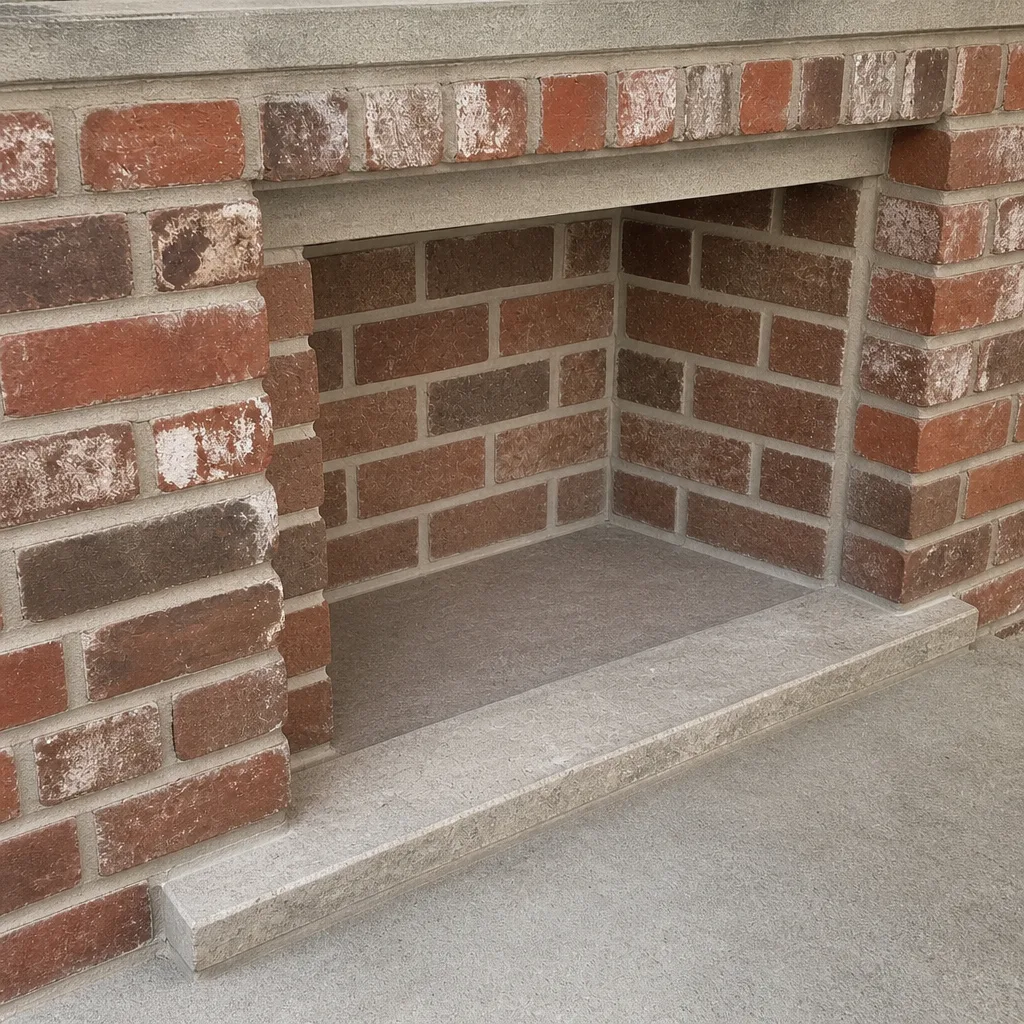
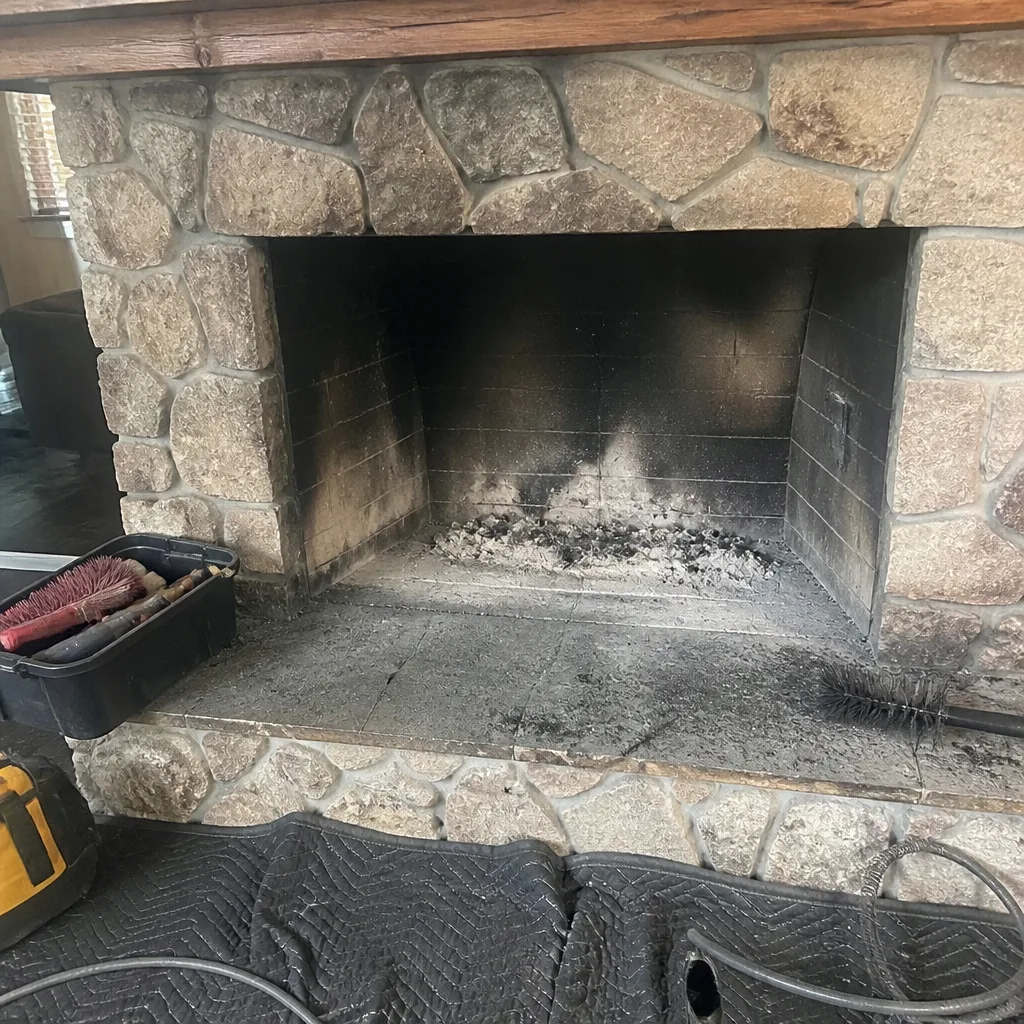
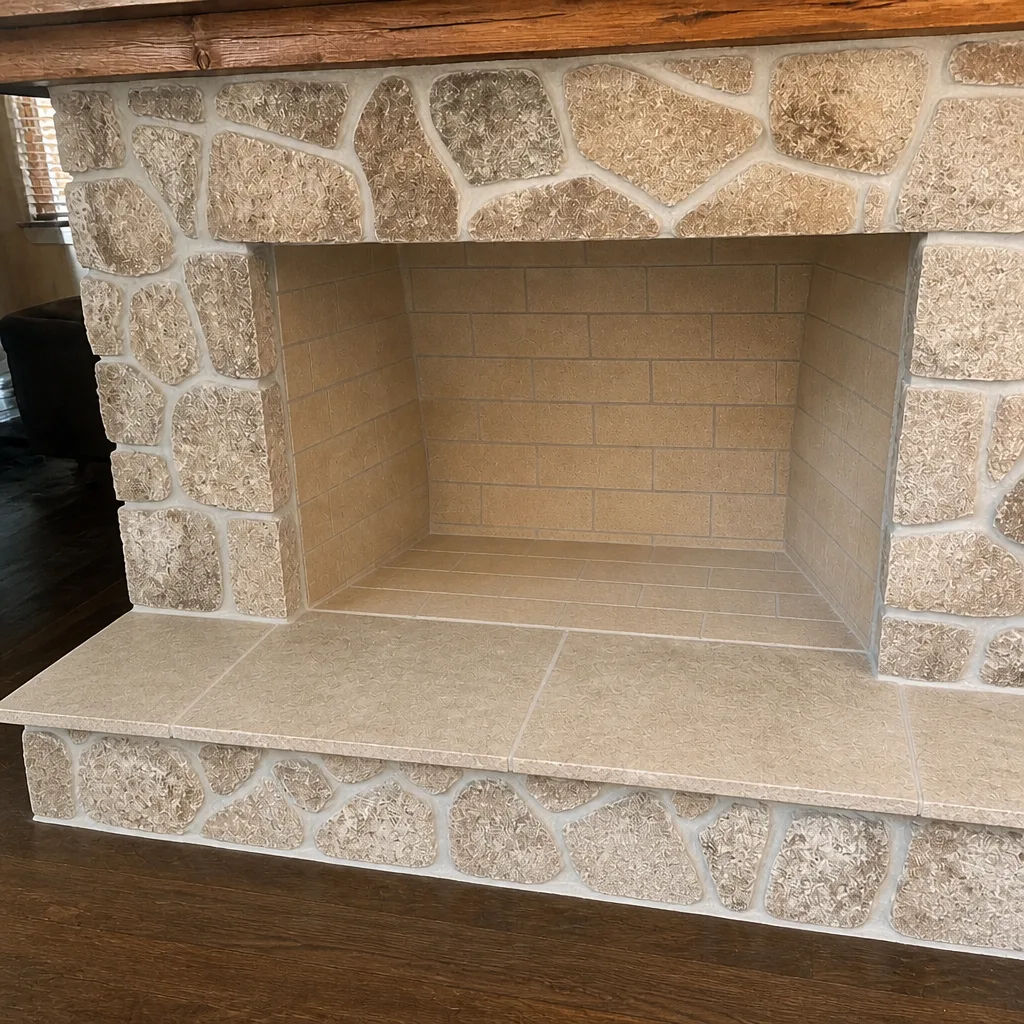
See the difference
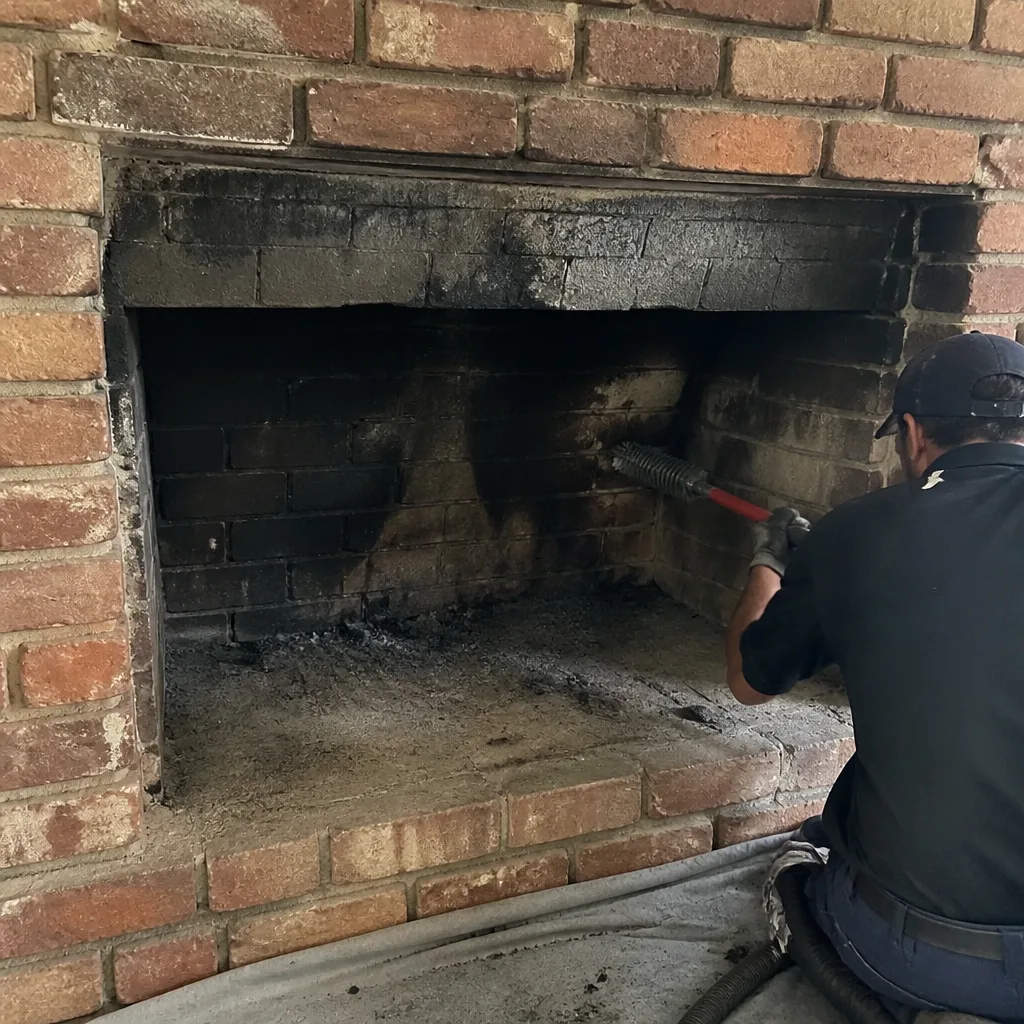 Before
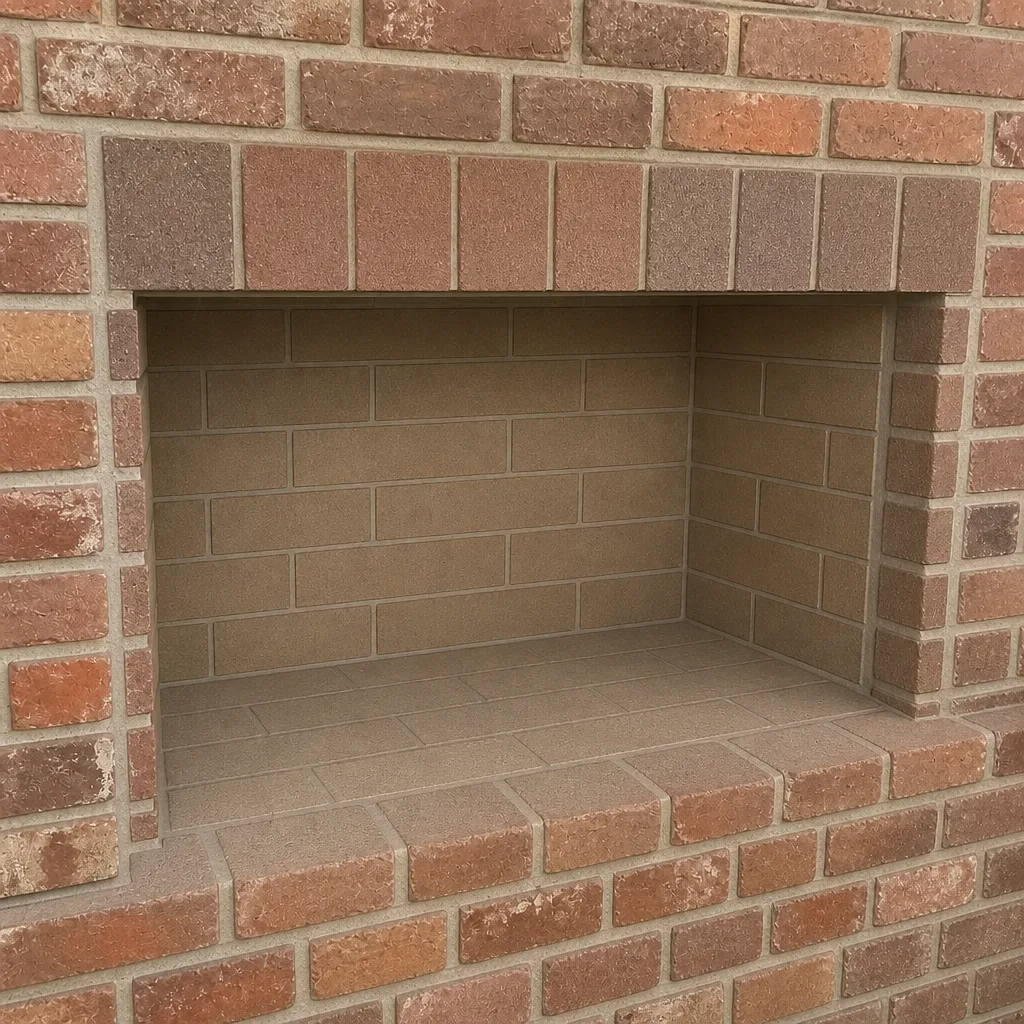 After
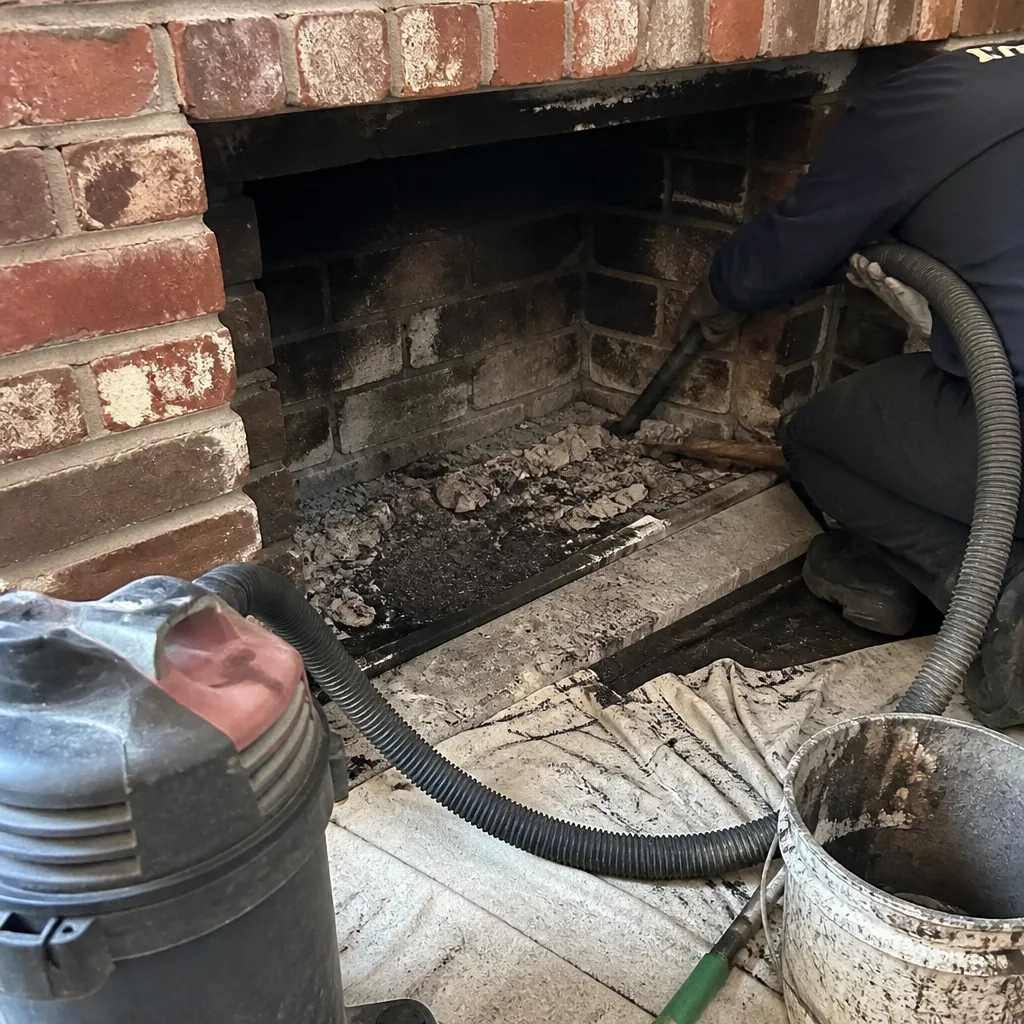 Before
 After
 Before
 After
When to Call a Professional
Call a professional when you’re unsure whether a job needs a permit, when you’ve found unpermitted work from a previous owner, when you’re considering a gas insert or a liner replacement, or when an inspection surfaces something you can’t verify. Those are the moments when the right phone call prevents an expensive correction later. It’s also worth a call any time the cap and crown look compromised, or the firebox has visible cracks. Huntington Beach Chimney Sweep Pros offers free estimates in Huntington Beach – call (877) 770-0951. Our technicians have up to 15 years of experience, we answer 24/7, and fast dispatch runs from 7am to 7pm, Sunday through Friday. Our team works with professional-grade materials, including DuraFlex, HeatShield, Gelco, and Olympia Chimney, so the right repair is done with the right product for the specific problem.
Frequently Asked Questions
No, a routine chimney cleaning in Huntington Beach does not require a permit. It’s maintenance, not a structural or venting change. The permit question comes up when a sweep uncovers a repair that alters the liner, firebox, or venting system, such as a liner replacement or gas insert. Call (877) 770-0951 for an exact quote – estimates are free.
Permit-required work in Huntington Beach typically includes flue liner replacement, firebox rebuilds, structural chimney repairs, and gas fireplace insert installation. Chimney sweeps and inspections don’t require a permit. Because the AHJ has final say, confirm with the Huntington Beach building department before any alteration. Call (877) 770-0951 for an exact quote – estimates are free.
NFPA 211 is the national standard for chimneys, fireplaces, and solid-fuel appliances, and California’s building code incorporates it. It sets the requirements the AHJ inspects against, including clearances, liner connections, and inspection Levels. If your chimney is being repaired or inspected, that’s the standard behind the recommendation. Call (877) 770-0951 for an exact quote – estimates are free.
Start with a Level 2 inspection to document the current condition, then ask the Huntington Beach building department about after-the-fact permitting. Correct anything that doesn’t meet code before the permit closes. Many AHJs work with homeowners to bring past work into compliance. Call (877) 770-0951 for an exact quote – estimates are free.
It depends on the condition of the existing liner, which is why a camera inspection and photo report matter. HeatShield is a resurfacing system that restores a deteriorating liner without a full replacement; a failed liner that can’t be resurfaced needs a flexible replacement system like DuraFlex. The right repair for the specific problem is what we’re after, and you shouldn’t be recommended one without seeing the evidence. Call (877) 770-0951 for an exact quote – estimates are free.
Yes. Gas insert installation involves venting and a fueled appliance, so it should be done by a contractor holding the right license classification, such as C-36 or C-61, and it normally requires a permit. A general handyman isn’t licensed for this work. Call (877) 770-0951 for an exact quote – estimates are free.
The Bottom Line
The cleaning itself is the simple part. What matters most is knowing where maintenance ends and permitting begins. Routine sweeps and inspections don’t need a permit. Liner replacement, firebox rebuilds, structural repairs, and gas insert installations usually do, and gas insert work should be handled by a licensed C-36 or C-61 contractor. NFPA 211 is the standard behind the AHJ’s inspection, and California’s building code incorporates it. If you’re facing unpermitted work from a previous owner, a camera inspection and a conversation with the Huntington Beach building department give you a clear path forward. For everything from the routine sweep to full chimney repair, our team at Huntington Beach Chimney Sweep Pros handles the entire system from the firebox to the crown, and we’ll tell you plainly which side of the permit line your job sits on.
Ready to find out what your chimney actually needs? Call (877) 770-0951 for a free estimate. We answer 24/7. Fast dispatch from 7am to 7pm, Sunday through Friday.
Written by the team at Huntington Beach Chimney Sweep Pros.