
Last updated November 24, 2026
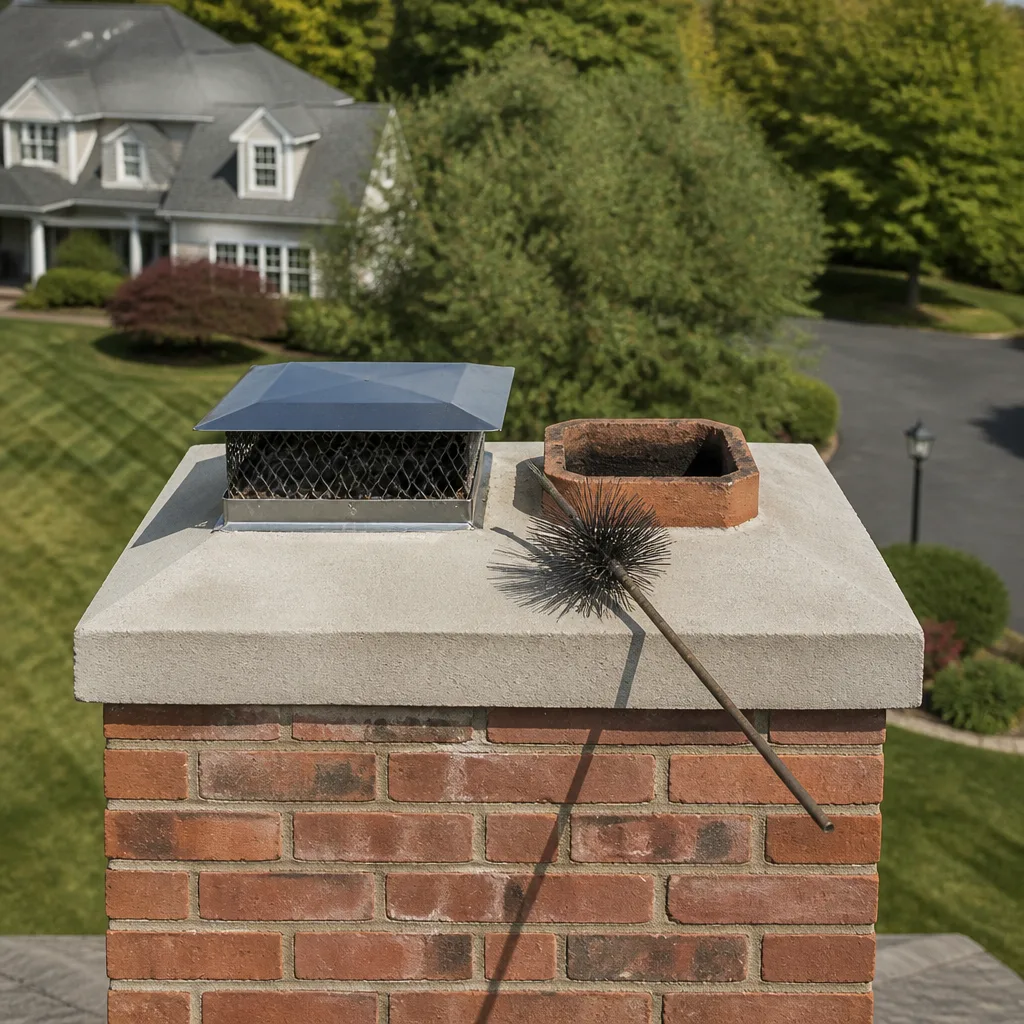 Sweep & inspection
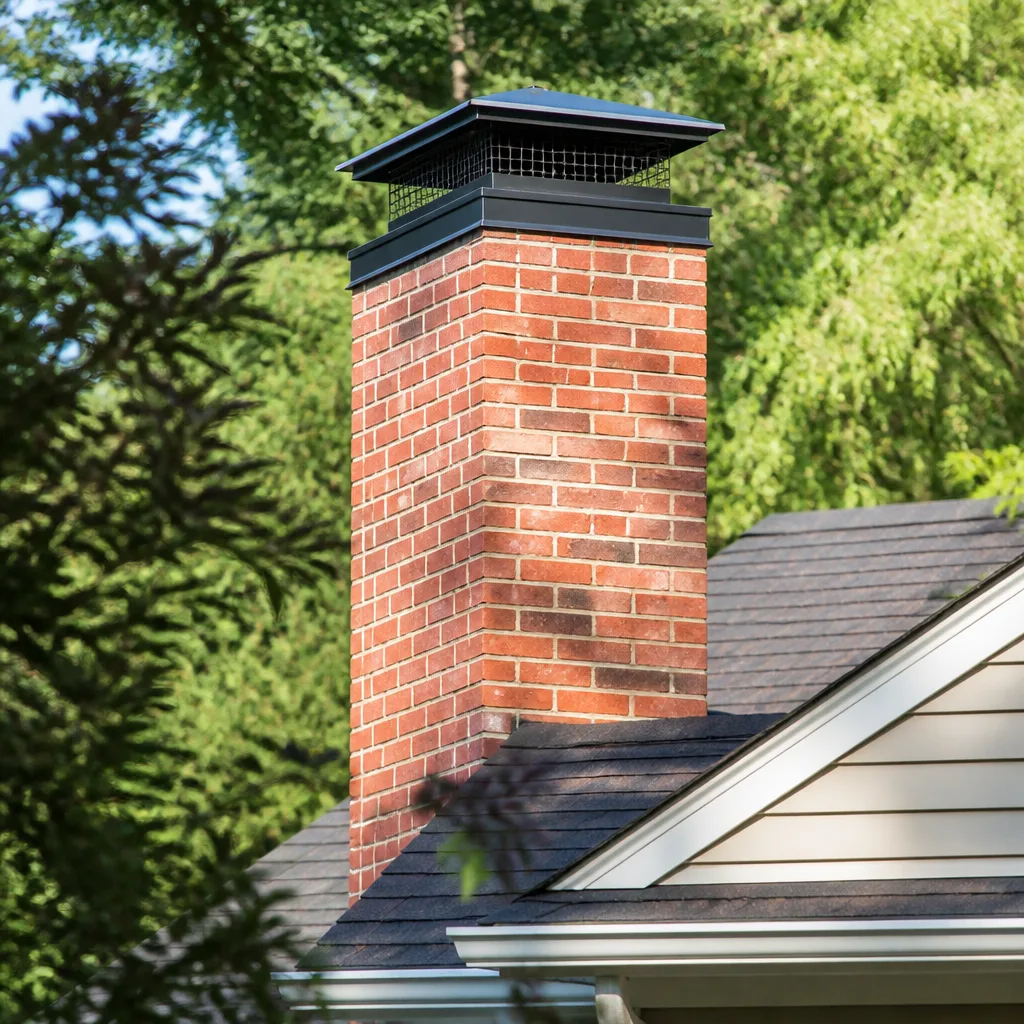 Caps & crowns
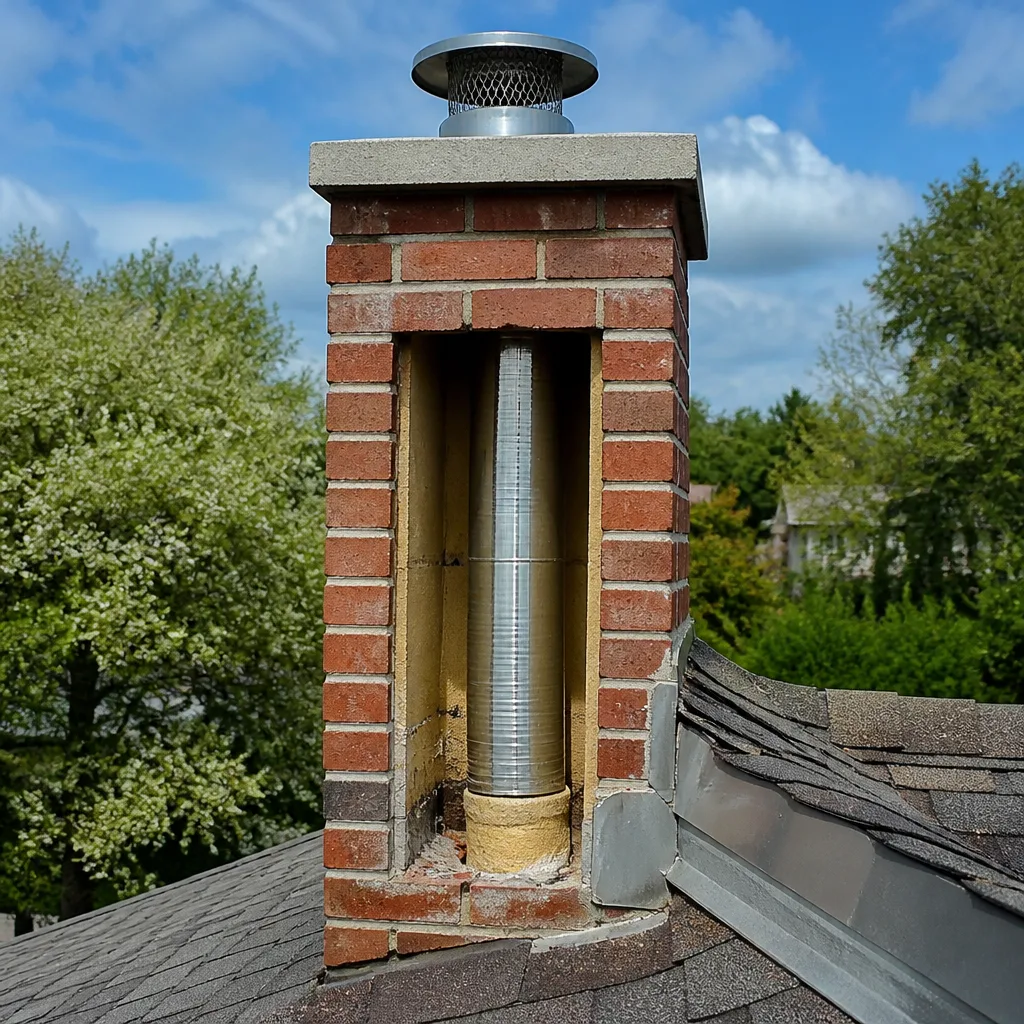 Flue relining
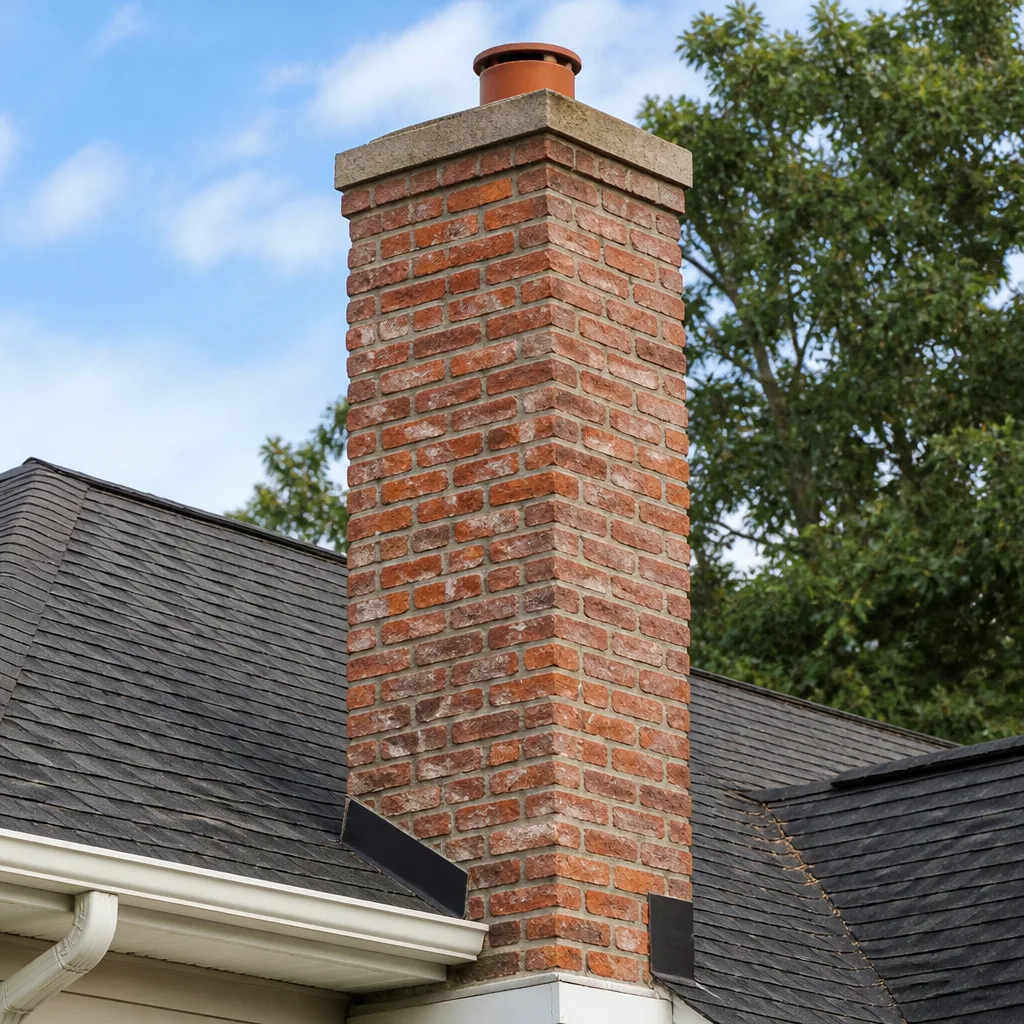 Masonry repair
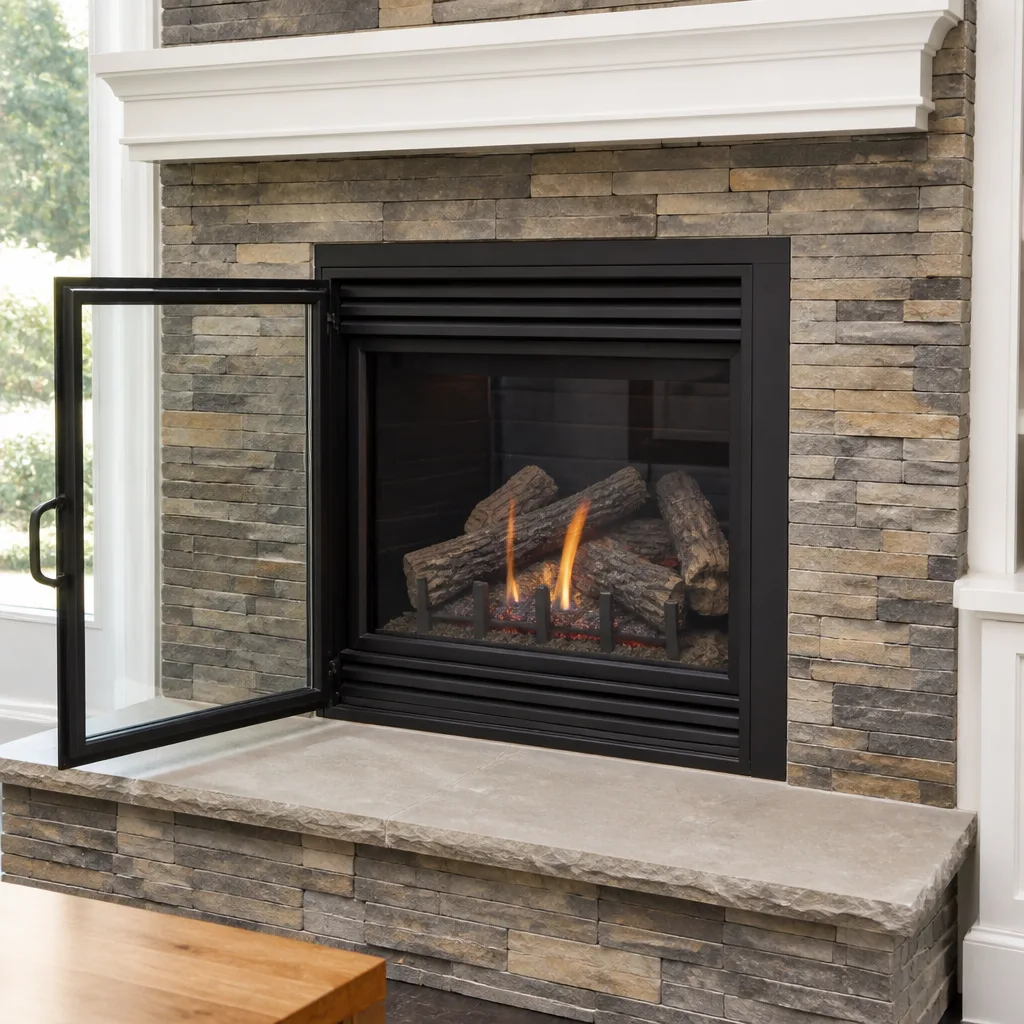 Gas fireplace service
Level 1 sweep and inspection to the NFPA 211 annual standard - flue, crown, cap, and flashing checked and photographed
Chimney sweep logs do not sweep chimneys. They loosen some creosote - which then falls where a brush and vacuum still have to collect it.
How to Hire a Chimney Cleaning Contractor in Huntington Beach: A Step-by-Step Guide
The most expensive chimney contractor in Huntington Beach isn’t the one with the highest quote. It’s the one who sweeps your flue, hands you a receipt, and never mentions the cracked crown or the gap where your liner meets the damper. In our experience, the real cost of a bad hire shows up months later, as a water stain on the ceiling or a repair bill that covers the whole system instead of one part. This guide gives you a concrete vetting framework: the exact questions to ask, what CSIA and NFI credentials actually mean, how to check California licensing, and the warning signs hidden in a lowball quote.
Quick Answer
To hire a chimney cleaning contractor in Huntington Beach, verify three things before you book: current CSIA or NFI credentials, an active California C-61/D-64 specialty license with general liability and workers’ comp coverage specific to chimney work, and a written inspection report with photos that you get to keep. Ask which flue liner system and smoke chamber coating they would use on your specific fireplace. A contractor who can’t name the product is guessing.
Styles & brands we work with
- Sweep & inspection
- Caps & crowns
- Flue relining
- Masonry repair
- Gas fireplace service
Table of Contents
- Why Vetting a Chimney Contractor in Huntington Beach Matters More Than the Price
- What CSIA, NFI, and C-61 Licensing Actually Mean in California
- 10 Questions to Ask Before You Book a Chimney Sweep
- How to Evaluate a Company’s Scope of Work
- Why a Written Inspection Report With Photos Matters as Much as the Cleaning
- Red Flags in a Chimney Quote
- What Huntington Beach Homeowners Should Know About Chimney Wear
- A Step-by-Step Verification Walkthrough
Why Vetting a Chimney Contractor in Huntington Beach Matters More Than the Price
A chimney sweep looks like an easy service to buy. Someone shows up with a brush and a vacuum, cleans the flue, and leaves. That’s the version the trade shows you on the surface, and it’s why so many homeowners in Huntington Beach pick a contractor on price alone. The problem is that the sweep is only half the job. The other half is recognizing what the brush reveals: a flue liner that’s cracked, a crown with a hairline fault, a smoke chamber with rough parging that catches creosote and won’t let go.
Huntington Beach is typical of older Orange County neighborhoods, where homes have fireplaces that have been in service for decades. Some flues were built with clay tile liners that have since spalled or shifted. Some were relined years ago with materials that weren’t sized right for the appliance. And a fair share of the chimneys we look at have been serviced by general handymen who clean a firebox but wouldn’t recognize a compromised smoke chamber if it was pointed out to them.
That’s the reality of the market here. The homeowner who knows how to vet a contractor gets a clear picture of their system’s condition. The homeowner who hires on price alone gets a clean flue and no information. This guide closes that gap.
What CSIA, NFI, and C-61 Licensing Actually Mean in California
Chimney work sits at the intersection of two credential systems: national certification through trade organizations, and state licensing through the California Contractors State License Board. You’ll see both on a contractor’s website, and it helps to know what each one actually proves.
CSIA Certification
The Chimney Safety Institute of America offers a Certified Chimney Sweep credential. It requires passing an exam on chimney construction, maintenance, and drafting, plus ongoing education to keep the credential current. In our view, it’s the baseline, not a bonus. A contractor with CSIA certification has demonstrated knowledge of the whole chimney system, not just the sweeping motion.
To verify, visit the CSIA website and search the contractor directory by company name or ZIP code. If the name isn’t listed, the certification claim is unverified. Some companies advertise a “CSIA-trained” technician versus a “CSIA-certified” technician, and the difference matters.
NFI Certification
The National Fireplace Institute offers certification specific to venting and installation of gas, wood, and pellet appliances. NFI credentials matter when you’re having a fireplace insert installed, a gas log set worked on, or a venting system verified. For a straight sweep-and-inspection job, NFI is a signal of deeper system knowledge, not a strict requirement.
California C-61/D-64 Licensing
California issues specialty contractor licenses for work that a general contractor isn’t typically handling. The C-61 classification covers a range of specialty trades, and the D-64 classification is the one specifically for fire protection systems, which sometimes includes chimney and fireplace work depending on how the job is classified. Before hiring anyone, look up the license number on the CSLB website and confirm three things:
- The license is active and in good standing.
- The licensed business name matches the name on your contract.
- The license classification covers the work you’re hiring for.
Always ask for a certificate of insurance showing general liability and workers’ comp specific to chimney work. If a technician is injured on your roof and the company has no workers’ comp, you can be exposed. A contractor with nothing to hide will send the certificate without being asked twice.
10 Questions to Ask Before You Book a Chimney Sweep
The best vetting happens in a two-minute phone call. Ask these questions and listen carefully to the answers. A contractor who can answer them in plain English is on solid ground. A contractor who gets vague or defensive isn’t.
- What flue liner system do you install? The answer should include a specific product name, such as DuraFlex flexible liner or HeatShield resurfacing, not “a good one.”
- Do you use a chimney camera? A camera inspection shows the inside of the flue. Visual inspection with a flashlight alone misses things.
- What’s the scope of the inspection report? The report should include photos of the firebox, flue, smoke chamber, damper, crown, and cap.
- Do you carry general liability and workers’ comp specific to chimney work? Ask for the certificate.
- What’s your CSIA or NFI certification number? Verify it.
- What’s your California license number and classification? Look it up on the CSLB.
- How do you clean a smoke chamber? The right answer involves resurfacing or parging rough surfaces, not just brushing them.
- What do you do if you find a cracked crown or failed liner? The answer should involve explaining options and pricing before any work.
- Will you recommend masonry repairs you don’t perform yourself? If every problem turns into a same-day upsell, that’s a red flag.
- What’s included in the price, and what’s a separate line item? The written scope should be explicit.
We install DuraFlex flexible liners, HeatShield smoke chamber coatings, and components from Famco and Copperfield depending on the specific chimney. The right product for one job isn’t always the right product for the next. When a contractor can name the products and explain why they’d pick them, you’re talking to a specialist. When they say “we use whatever’s on the truck,” you’re not.
How to Evaluate a Company’s Scope of Work
The biggest difference between a specialist and a generalist isn’t the sweeping. It’s what happens when something is wrong. A full-scope chimney contractor handles the cleaning, the inspection, the crown and cap, the fireplace repair, the structural repairs, and the liner work under one roof. A generalist handles the sweep and hands you off.
Here’s how to map a company’s scope from their own descriptions:
- Chimney sweep and inspection. Every reputable company offers these. The difference is what’s in the inspection report.
- Chimney cap and crown. This is where most water damage starts. A cap keeps rain and animals out of the flue; a crown seals the top of the chimney from rain running down into the masonry. If a company lists cap and crown as a dedicated service, they’re thinking about water intrusion before it becomes interior damage.
- Firebox and damper repair. A company that repairs fireboxes and dampers knows the components inside the house, not just the flue.
- Liner installation and repair. If a company works with DuraFlex or Copperfield liner systems, they can replace an aging or damaged flue liner, not just clean around it.
- Smoke chamber resurfacing. HeatShield application is a resurfacing system that restores deteriorating flue liners and smoke chambers without full replacement. A company that can do this has moved beyond basic sweeping into restorative work.
- Structural chimney repair. Masonry cracks, spalling brick, and mortar joint failures are the last stage of chimney deterioration. A full-scope company addresses these; a sweep-only company refers them out.
In our view, the best test is the “all in one place” test. If you start with a chimney sweep and the inspector finds a cracked crown, does the company do the crown work themselves, or do you now need a second contractor? The fewer handoffs, the fewer chances for something to get lost between quotes.
Why a Written Inspection Report With Photos Matters as Much as the Cleaning
The cleaning is the service you’re paying for. The inspection report is the information you’re paying for. That report is what tells you whether your chimney system is sound, what’s likely to fail next, and how much of it needs attention now versus later.
A proper chimney inspection report should include:
- Photos of the firebox, including the rear wall and damper
- Photos of the flue interior via camera, showing the liner condition
- Photos of the smoke chamber and shelf
- Photos of the crown, cap, and flashing at the roof line
- Notes on creosote level and any glazed deposits
- Notes on drafting or performance issues you may have described
- A written recommendation for anything that needs attention
When a company hands you photos, you’re not relying on their word. You can see the crown crack for yourself and decide whether to prioritize it. You can compare the inside of the flue against a photo from the next inspection. And you can hold off on cosmetic repairs with confidence because you can see the chimney is sound.
The written report is also the basis for a fair estimate. If a contractor recommends liner replacement without camera footage, ask to see the footage. A repair recommendation without evidence is a sales pitch.
Red Flags in a Chimney Quote
Not every problem quote is obviously high. Some are obviously low, and that’s the category that catches homeowners in Huntington Beach more often. A quote that’s too cheap tends to leave things out, and the things left out are the parts that keep you safe.
- No written scope. If the quote is a text message with a single line (“sweep and inspect, $X”), you don’t know what you’re buying.
- Vague line items. “Chimney repair – $600” tells you nothing. A fair quote names the repair (crown cracks, spalled brick, liner section) and the material.
- Unusually low pricing. A sweep quote significantly below the local range usually excludes camera inspection, photo reports, or both. That’s not a bargain; it’s a different service.
- Same-day pressure to authorize repairs. A specialist identifies the problem, explains it with evidence, and prices it. A pressured sale is a sign to slow down.
- Roofing or masonry work bundled with a sweep. Chimney specialists do chimney work. A contractor who bundles roofing or general handyman work into a sweep quote is spreading thin.
- No insurance certificate at the ready. A contractor who can’t produce a certificate of insurance without a delay may not have it.
- “We don’t need to get on the roof.” The crown, cap, and flashing are up top. A sweep who never goes up misses the most common failure points.
Pricing in the Huntington Beach market is reasonably stable, and any quote that’s dramatically out of range in either direction deserves a second call. The Huntington Beach Chimney Sweep Pros team quotes every job per its own scope and puts the price in writing before any work begins, so you can compare one scope to another on paper.
What Huntington Beach Homeowners Should Know About Chimney Wear
Chimneys in Huntington Beach face a particular set of conditions that shape how they wear. Winters are mild, so the fireplace gets consistent use through the cooler months without the hard freeze that drives masonry damage in colder parts of the country. But the fireplace’s rest season is longer here, and that matters for one specific reason: creosote and moisture have more time to sit in the flue between burns.
An unused chimney is not a static object. Glazed creosote continues to absorb moisture from the air and from any rain that slips past a failing cap or crown. Over a dry season, that moisture works on the mortar and the liner. When the next burn season arrives, the chimney’s interior is in worse shape than when the fireplace went quiet. That’s the pattern we see in older Huntington Beach neighborhoods, where fireplaces have been in service for years with only occasional cleaning.
Two practical notes for the local pattern:
- Annual inspection regardless of use. Even if you don’t burn every year, the chimney should be inspected once a year. A cap that came loose, a crown that cracked, or a bird that nested in the flue won’t announce itself.
- Creosote level matters on the report. The severity of any glazing or tar deposits determines whether a standard sweep is enough or whether a chemical treatment is warranted. The report should tell you which.
The right time to schedule that maintenance is before burn season, when a sweep is booked in advance and a repair has weeks to settle before you want to light the first fire. Our technicians have up to 15 years of experience evaluating chimneys in this coastal climate, and we look at the whole system, not just the flue.
A Step-by-Step Verification Walkthrough
Here’s how to vet a chimney contractor from first search to signed contract. The whole process takes about twenty minutes of your time.
- Search and shortlist. Look for three companies that serve Huntington Beach and offer sweep plus inspection plus cap, crown, and liner work. If a company lists only sweeping, they’re not full-scope.
- Check the CSIA directory. Look up each company on the Chimney Safety Institute of America website. Confirm at least one certified technician is associated with the business.
- Check the CSLB. Look up the license number on the California Contractors State License Board site. Confirm active status, the correct classification, and that the business name matches.
- Call and ask the 10 questions. Listen for specific product names (DuraFlex, HeatShield, Famco, Copperfield), a written inspection report, and a photo component.
- Ask for the certificate of insurance. General liability and workers’ comp. If they hesitate, move on.
- Book the inspection. The inspection comes first, the estimate follows from it, and the price is set in writing before any repair work.
- Review the inspection report. Read the photos, compare them to the written findings, and ask what’s urgent and what can wait.
- Approve the scope in writing. A fair estimate names each line item and prices each one separately. Anything unclear, ask.
Every step in this walkthrough gives you information. No step obligates you to authorize work. A contractor who is comfortable with that is a contractor who’s confident in what they’ll find.
Common Mistakes to Avoid
- Hiring a handyman for a chimney sweep. A handyman with a brush can push soot around. He can’t tell you whether the smoke chamber is compromised, and he won’t carry the products to fix it. Chimney work is its own specialty.
- Skipping the camera inspection to save money. A camera inspection is often bundled into the sweep price. Skipping it means you’re cleaning a flue without knowing whether the liner is holding up.
- Believing a quote with no written scope. A verbal price with no itemized scope is not a quote; it’s a margin of error. Ask for the scope in writing and compare it line by line against another quote.
- Authorizing a repair covered under the same visit without seeing the evidence. Photos of the problem should be in front of you before you sign anything. If the tech says “liner’s shot,” ask to see the flue footage.
- Skipping the annual inspection because the fireplace hasn’t been used. Creosote, moisture, and animals don’t wait for you to light a fire. The most common failures we find are on chimneys that were “resting.”
- Ignoring the crown and cap. These are the two parts of the chimney most exposed to weather. Small cracks in the crown are the usual entry point for the water damage that shows up as ceiling stains in Huntington Beach homes.
- Choosing on price alone. Two quotes that are $200 apart can cover entirely different scopes. The cheaper quote may exclude the camera inspection, the photo report, and the cap inspection. That’s not a bargain.
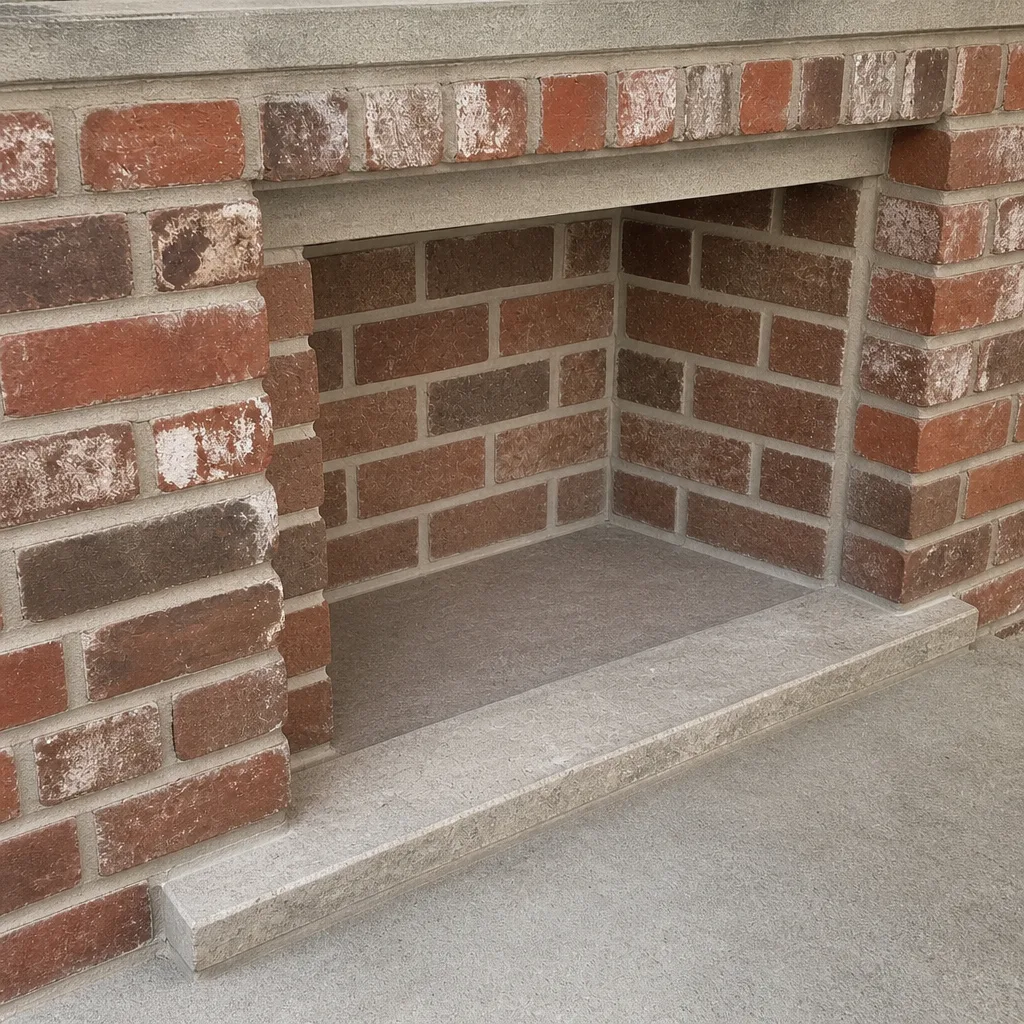
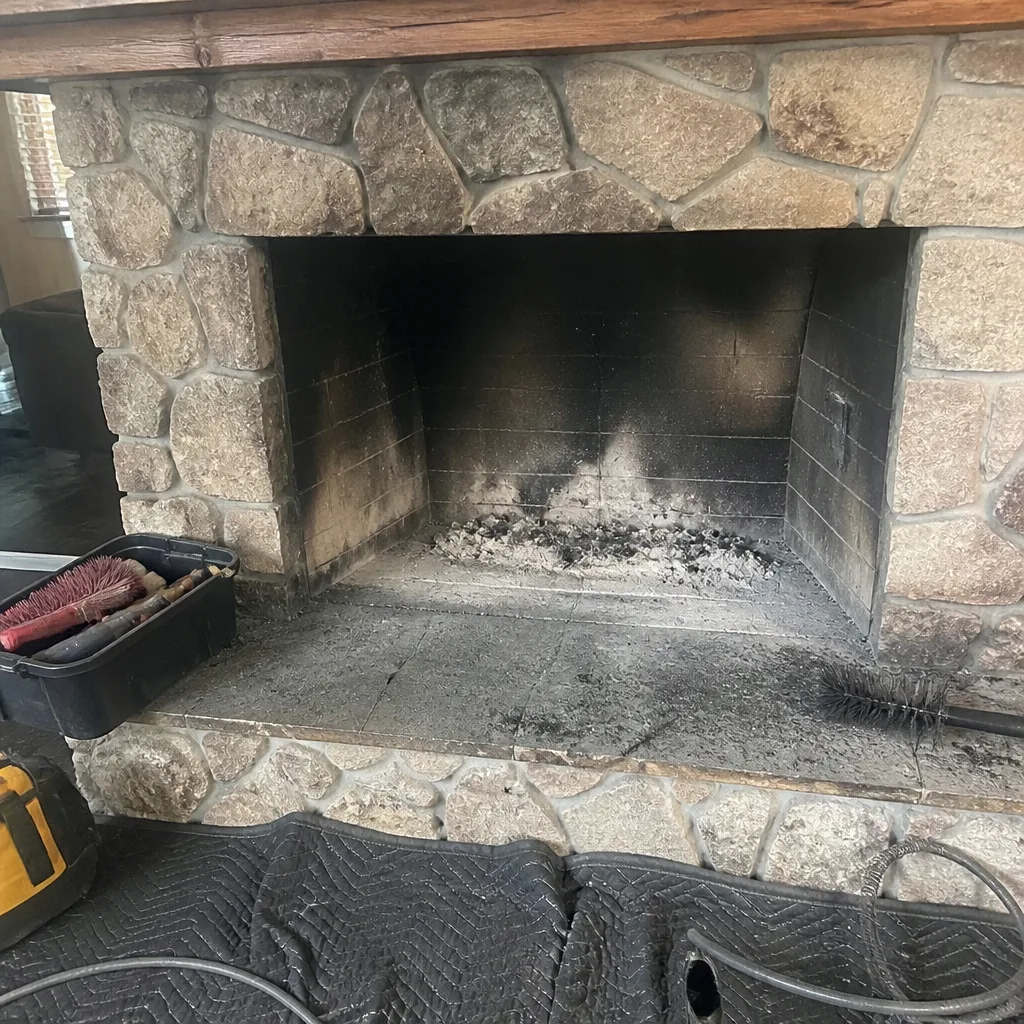
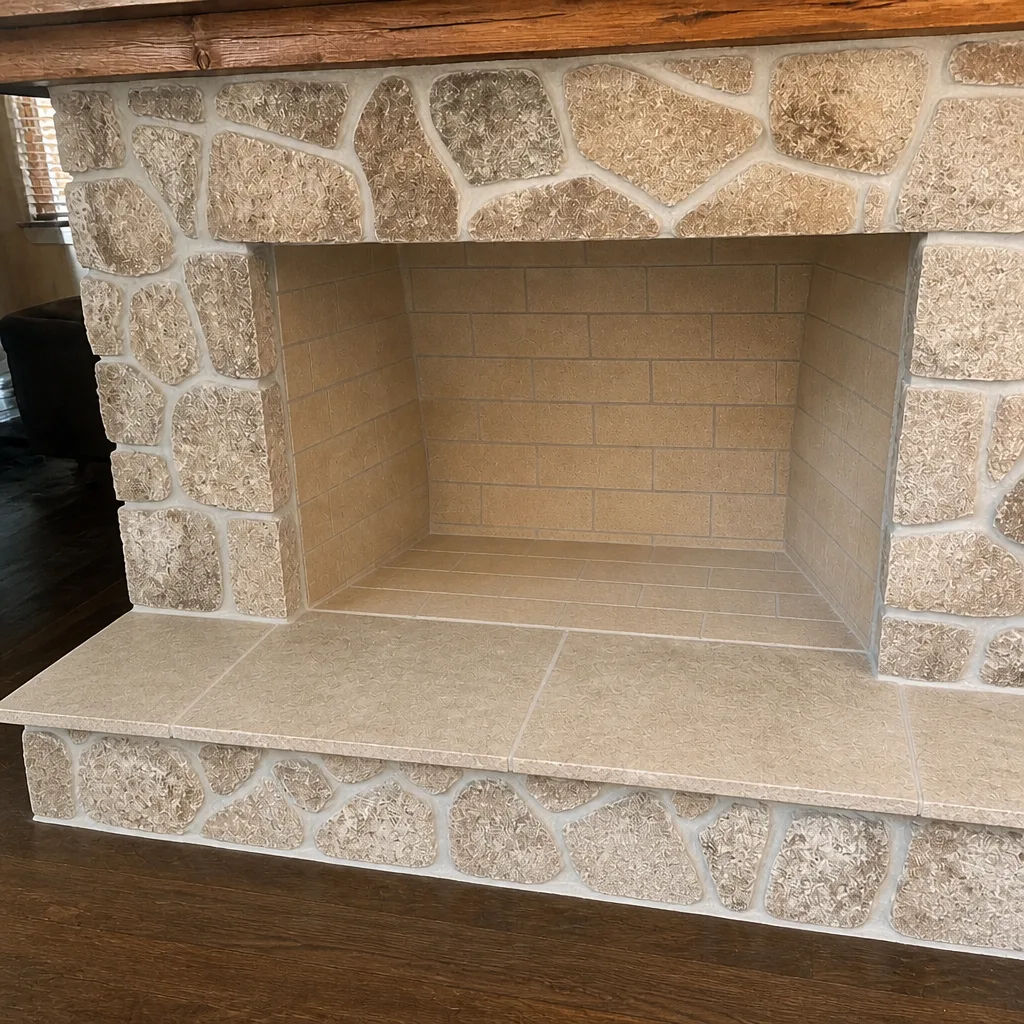
See the difference
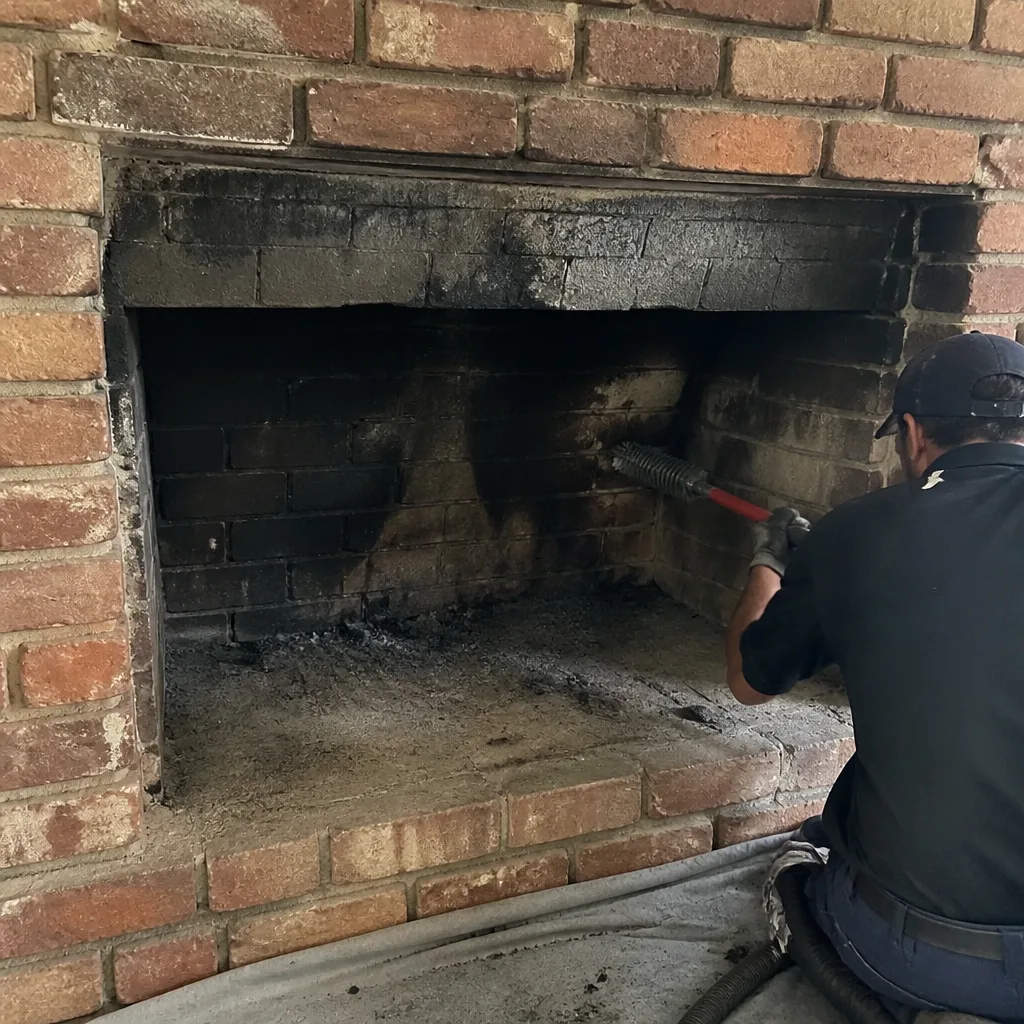 Before
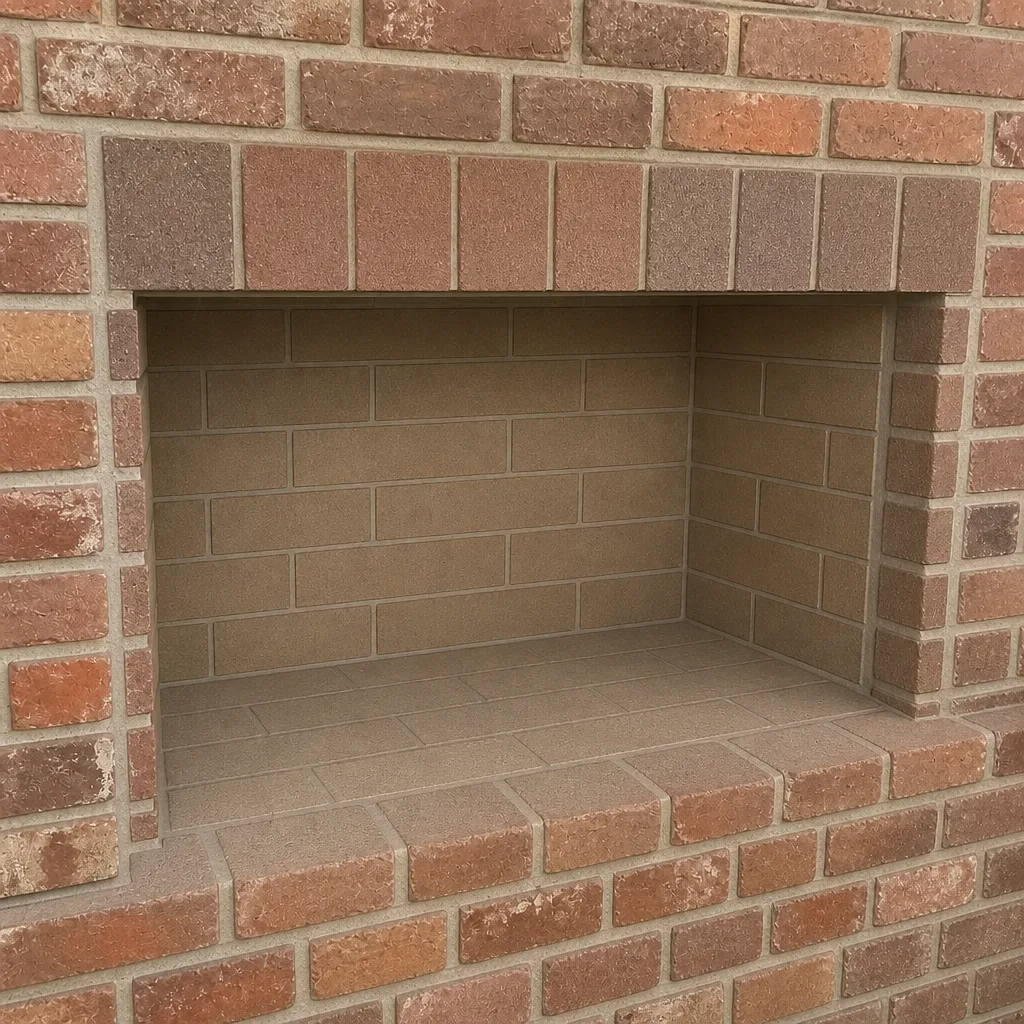 After
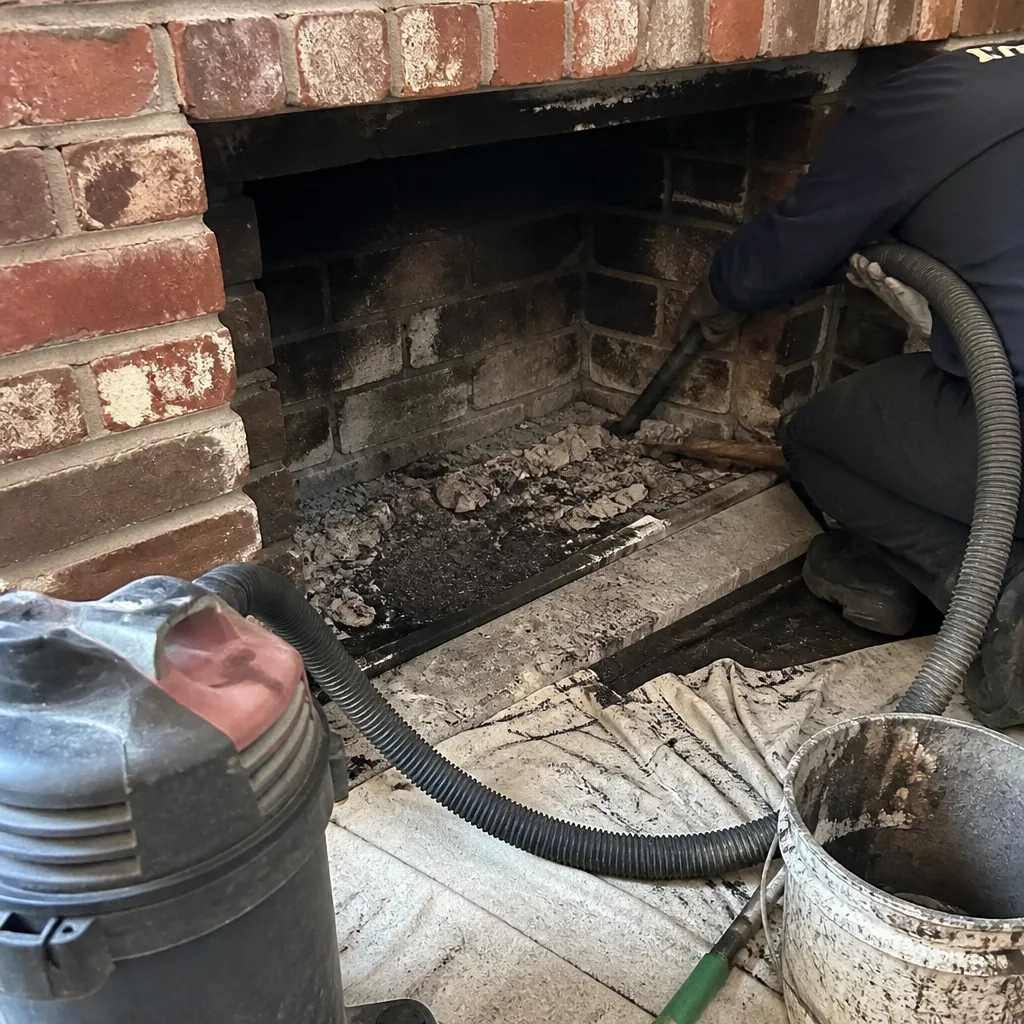 Before
 After
 Before
 After
When to Call a Professional
You should call a professional chimney contractor when you have any of these signs: a strong smoky odor when the fire is lit, smoke backing into the room, a visible crack in the masonry or crown, water staining on the ceiling or chimney breast, an animal sound in the flue, or a chimney that hasn’t been inspected since before you moved in. You should also call if you’ve had a chimney fire, even one that seemed small. And you should schedule an annual inspection even if none of those things are happening, because the whole point of the inspection is to catch problems before they show symptoms. Huntington Beach Chimney Sweep Pros offers free estimates in Huntington Beach, and our team handles chimney sweep, inspection, fireplace repair, chimney repair, and chimney cap & crown work under one roof. Call (877) 770-0951. We answer 24/7. Fast dispatch from 7am to 7pm, Sunday through Friday.
Frequently Asked Questions
A chimney sweep in Huntington Beach typically costs roughly what it costs across Orange County: a modest flat fee for a standard sweep, with inspection included in most reputable packages. Estimates are free, and the written estimate sets the final price. Call (877) 770-0951 for an exact quote.
You need a new liner if the existing one is cracked, spalled, or sized wrong for the appliance. The only way to know is a camera inspection. If a contractor recommends liner replacement without showing you footage, ask to see it. If the flue is sound, resurfacing with HeatShield may be enough instead of full replacement. Call (877) 770-0951 to book an inspection and find out what your chimney actually needs.
A chimney should be swept when creosote builds to a quarter inch or whenever the annual inspection finds enough buildup to warrant it, which for regular users in Huntington Beach often means once a year before burn season. Call (877) 770-0951 to get on the schedule.
Creosote builds up on the flue walls, and glazed creosote is combustible. A fire in the flue can spread to the structure. Separately, a cracked crown or failed cap lets water into the masonry, which shows up as deterioration and interior damage. The sweep and inspection are what catches both early. Call (877) 770-0951 for a free estimate.
A sweep is the physical cleaning of the flue and firebox. An inspection is the evaluation of the whole system with photos and a written report. A repair is the corrective work that follows when the inspection finds an issue. A full-scope contractor does all three. Call (877) 770-0951 to book any of them.
Yes. Both the Chimney Safety Institute of America and the National Fireplace Institute publish contractor directories on their websites. Search by company name or ZIP code. For California licensing, look up the C-61 or D-64 classification on the Contractors State License Board site. If a certification claim can’t be verified, ask for the number in writing. Call (877) 770-0951 for our credentials and proof of insurance on the local pro who will arrive.
The Bottom Line
Hiring a chimney contractor in Huntington Beach comes down to verification, not price. Check the CSIA and NFI credentials, check the C-61/D-64 license, ask for the certificate of insurance, and demand a written inspection report with photos. Then ask which liner system and which smoke chamber coating the contractor would use on your fireplace. If they can name DuraFlex, HeatShield, or another professional-grade product and explain why, you’re talking to a specialist. If the answer is vague, keep shopping. The cost of the right contractor is a modest sweep and inspection. The cost of the wrong one is the whole chimney.
The team at Huntington Beach Chimney Sweep Pros covers the complete chimney system from firebox to crown, using professional-grade brands including DuraFlex, HeatShield, Gelco, Olympia Chimney, Famco, and Copperfield. We provide residential chimney sweep, inspection, fireplace repair, chimney repair, and chimney cap and crown work, with a flat-price scope agreed before booking and a camera inspection and photo report included. Our technicians have up to 15 years of experience. Call (877) 770-0951 for a free estimate. We answer 24/7. Fast dispatch from 7am to 7pm, Sunday through Friday.
Written by the team at Huntington Beach Chimney Sweep Pros.