
Last updated November 24, 2026
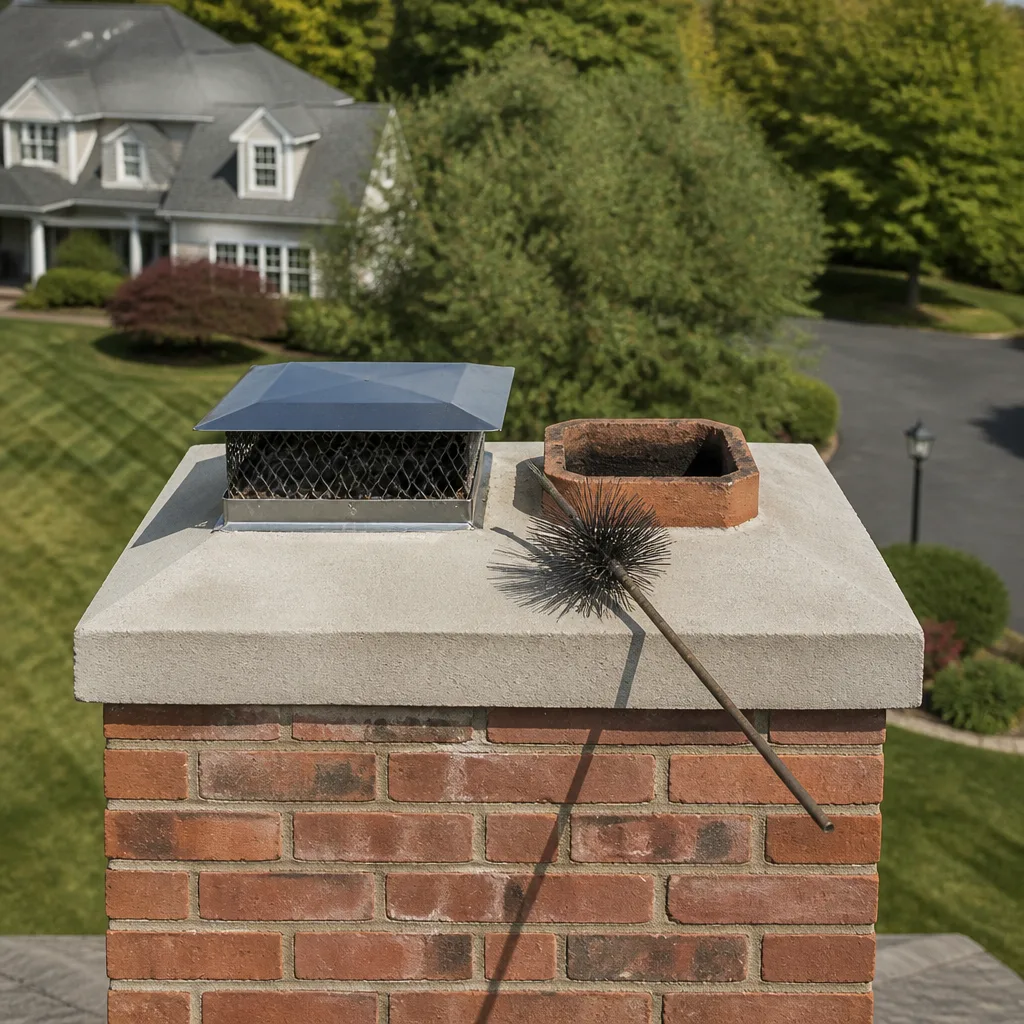 Sweep & inspection
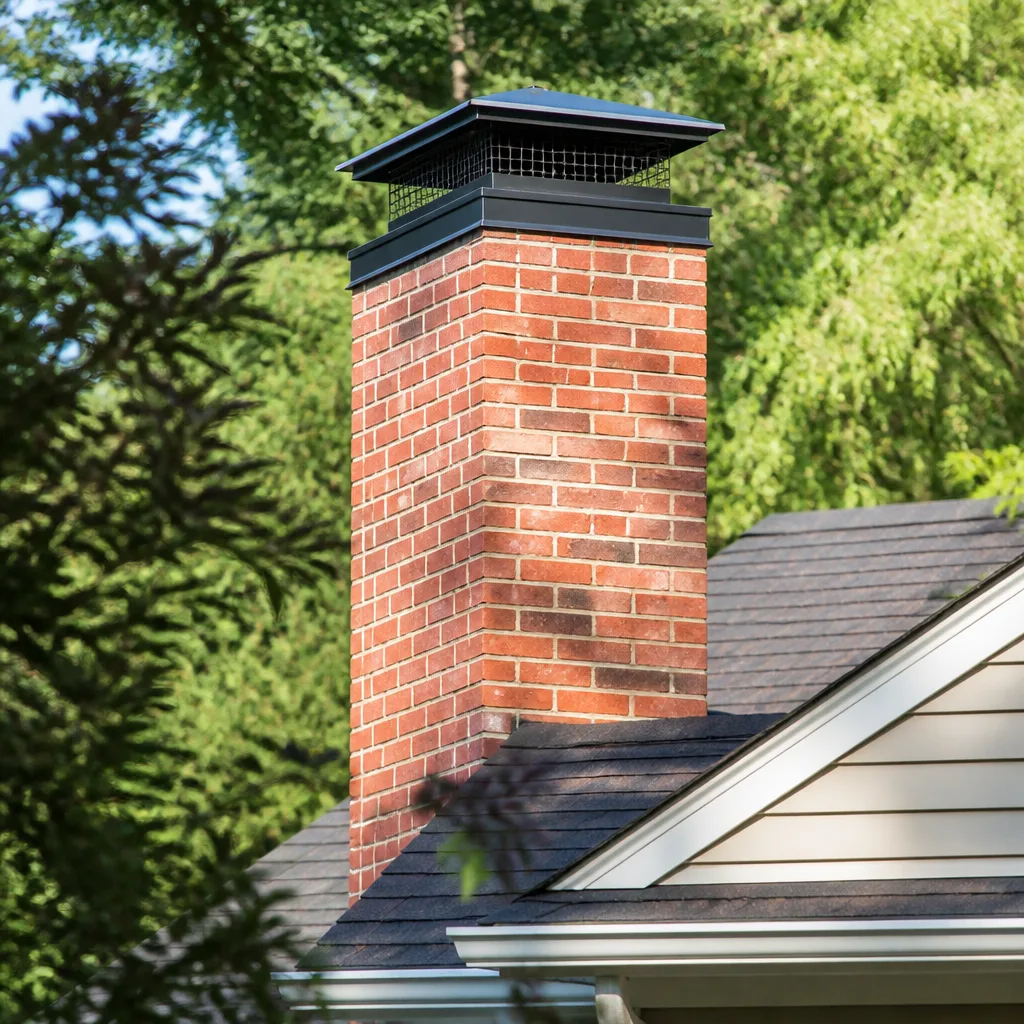 Caps & crowns
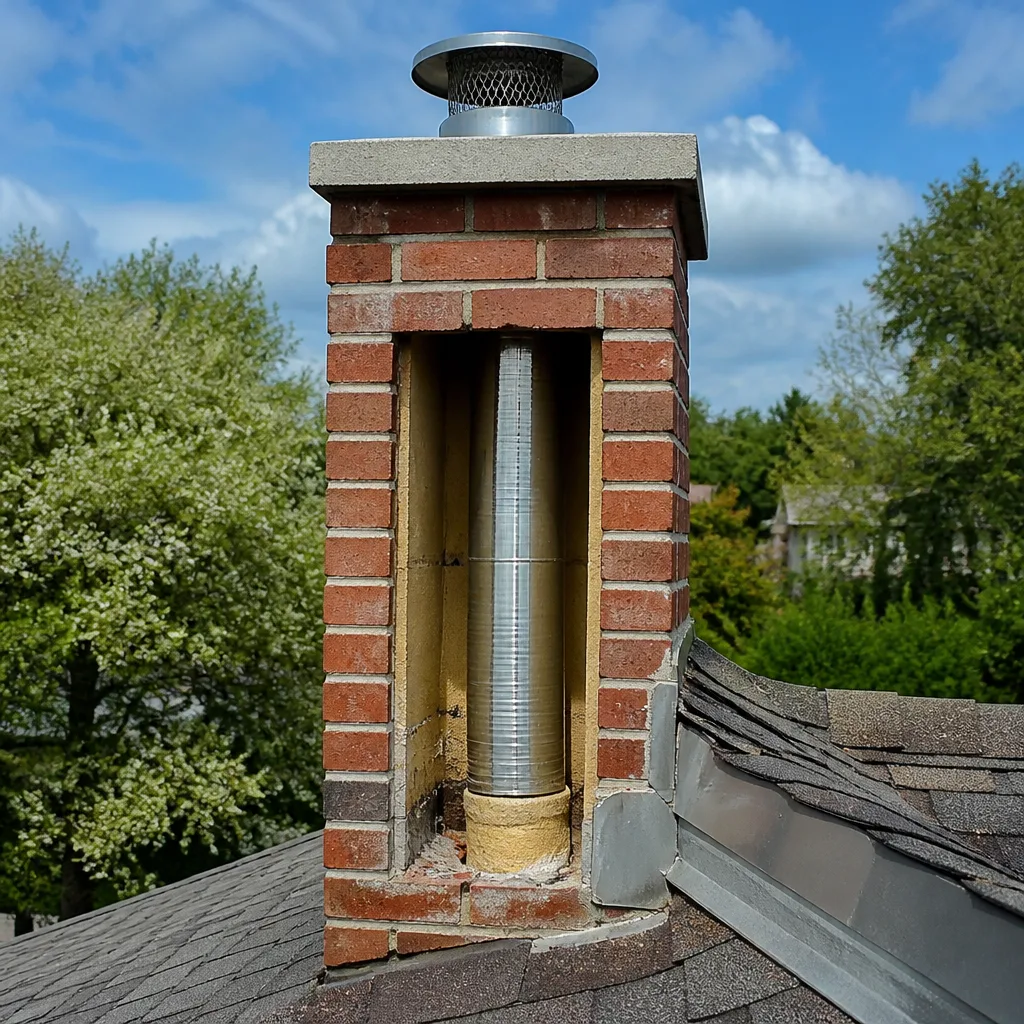 Flue relining
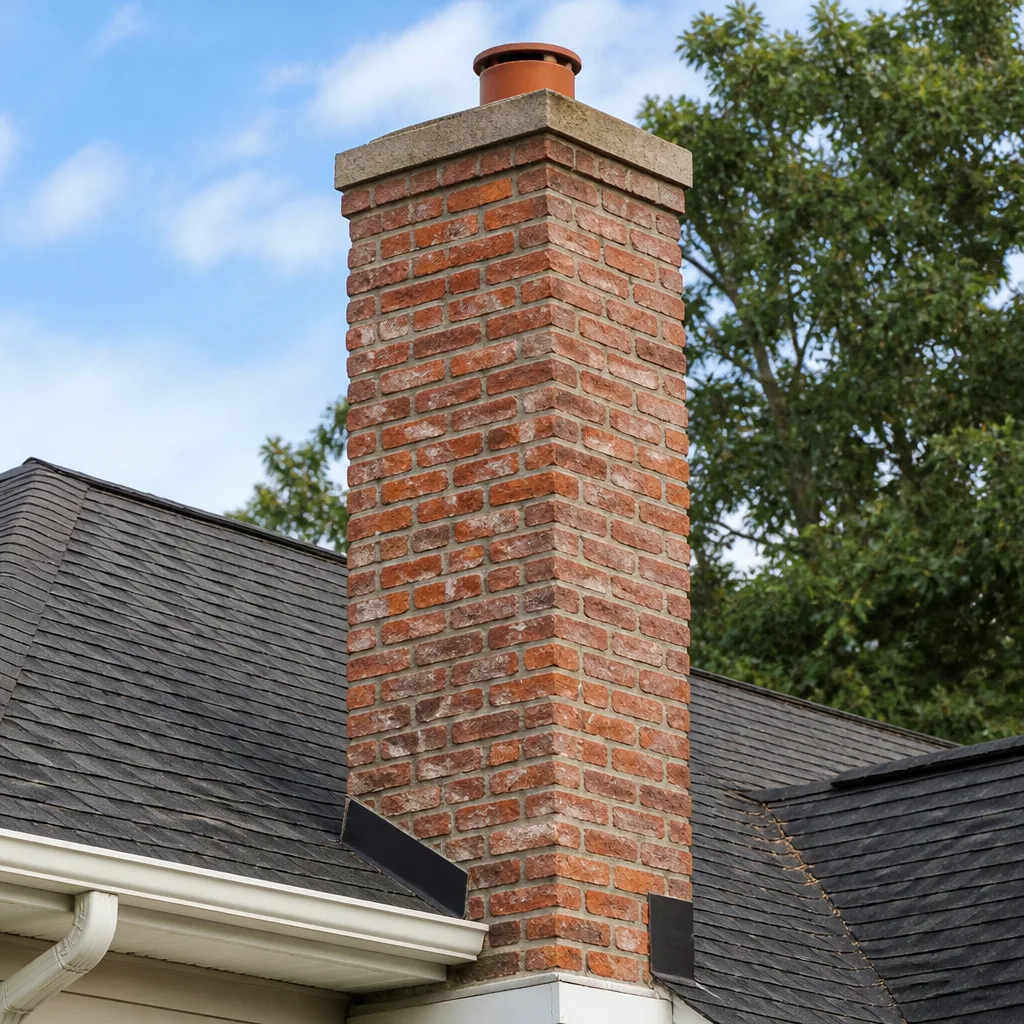 Masonry repair
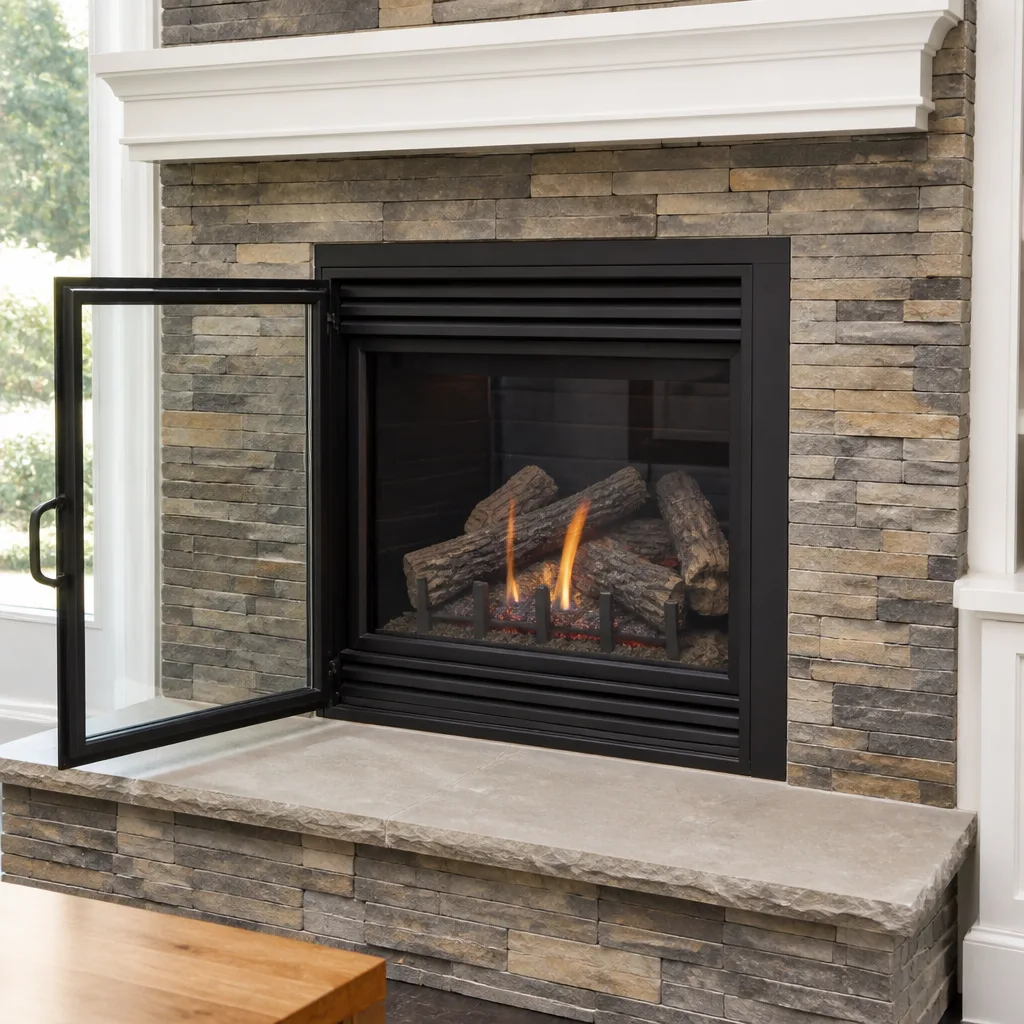 Gas fireplace service
Level 1 sweep and inspection to the NFPA 211 annual standard - flue, crown, cap, and flashing checked and photographed
Chimney sweep logs do not sweep chimneys. They loosen some creosote - which then falls where a brush and vacuum still have to collect it.
DIY vs Professional Chimney Cleaning: The Huntington Beach Homeowner’s Decision Guide
Chimney brushes are sold at hardware stores for about the price of a decent dinner, and a homeowner can physically run one through a flue. That part is true, and we won’t pretend otherwise. What a brush can’t do is tell you whether the dark, tar-like deposit halfway up the flue is the kind that ignites or the kind that brushes away, whether the liner behind it has a hairline fracture, or whether the smoke chamber above the damper has spalled into a rough surface that collects creosote like a sponge. Those are the conditions that actually start chimney fires, and none of them announce themselves. In this guide we’ll draw an honest line between what belongs in a homeowner’s hands and what needs a trained sweep with the right equipment, with the specific Huntington Beach housing stock and fuel habits that shape the answer.
Quick Answer
DIY chimney cleaning can remove loose soot and light creosote from an accessible flue, but it cannot assess the condition of the liner, identify glazed creosote that needs chemical treatment, or evaluate the smoke chamber, crown, and cap. In Huntington Beach, where many homes have older clay tile liners and decorative masonry fireplaces, a brush-only approach often gives a false sense of safety. Professional cleaning pairs the sweep with a visual and camera inspection that tells you what condition the system is actually in.
Styles & brands we work with
- Sweep & inspection
- Caps & crowns
- Flue relining
- Masonry repair
- Gas fireplace service
Table of Contents
- What DIY Chimney Cleaning Can and Cannot Do
- The Three Conditions That Require Professional Equipment
- Why Huntington Beach Homes Face Specific Chimney Risks
- DIY vs Professional: The Real Cost Comparison
- A Decision Tree: DIY or Call a Professional?
- How a Professional Sweep Actually Works
- What a Written Inspection Report Gives You
- Common Mistakes to Avoid
What DIY Chimney Cleaning Can and Cannot Do
A homeowner with the right brush, a drop cloth, and a reasonable amount of patience can accomplish a real, if limited, task: knocking loose soot off the flue walls and brushing away the soft, flaky stage-one creosote that builds up after a season of light fires. If your fireplace sees a handful of fires a year and you’ve kept up with sweeping, that’s genuinely within reach. It’s honest work, and we’ll never tell a capable homeowner they can’t pick up a brush.
Where the DIY approach hits its ceiling is everything after the brush. A round brush on a flexible rod cleans a straight flue reasonably well. It does not:
- Remove glazed creosote. The hard, shiny, tar-like deposit that forms when a fire burns cool and smoldery won’t budge under a brush. It needs chemical treatment and often rotary mechanical cleaning.
- Show you the liner’s condition. A brush glides past a hairline crack in a clay tile without ever telling you it’s there. Only a camera sees that.
- Evaluate the smoke chamber. The sloped chamber above the damper is one of the most overlooked parts of the system, and it’s a common collection point for creosote.
- Check the crown, cap, and flashing. The top of the chimney is where water gets in and where the whole system is most exposed to weather.
- Produce a written record. A brush and a bucket don’t generate an inspection report you can hand to a buyer, an insurer, or your own future self.
The distinction matters most in Huntington Beach, where a lot of homes have fireplaces that see occasional use and liners that have quietly aged through decades of Southern California temperature swings. A DIY brush clean makes the firebox look tidy. It does not make the system safe. For the flue itself, professional chimney sweep work is what actually resets the clock on creosote buildup with a documented result.
The Three Conditions That Require Professional Equipment
Three specific conditions are responsible for the majority of chimney fires, and each of them is invisible to a homeowner with a brush. Here’s what each one is, and why it takes more than elbow grease to address.
1. Stage-Two Glazed Creosote
Creosote forms in three stages. Stage one is soft and flaky, the kind a brush handles. Stage two is harder and more tar-like. Stage three is glazed, shiny, and glassy, and it’s the most flammable. A brush can’t cut it, and worse, brushing can sometimes polish the surface rather than remove it. Glazed creosote needs a chemical treatment to break it down, followed by rotary cleaning with specialized equipment. A homeowner has no reliable way to tell which stage they’re looking at without training and the right tools.
2. Flue Liner Fractures
Clay tile liners crack. They crack from heat cycling, from settling, and from the simple passage of time. When a liner cracks, hot gases and embers can reach the framing and masonry around it. A camera inspection running the length of the flue is the only way to catch small fractures before they become a larger problem. On Huntington Beach’s older Spanish-style homes, the decorative clay tile construction can fail in ways that a standard round brush won’t reveal at all.
3. Smoke Chamber Deterioration
The smoke chamber sits above the damper and funnels smoke into the flue. Its sloped walls are prone to spalling and pitting, and those rough surfaces catch creosote. A brush on a rod goes right through the smoke chamber without touching its condition. Restoring it means applying a specialized coating, which is a job for a trained technician using products like HeatShield. None of this is homeowner territory.
Why Huntington Beach Homes Face Specific Chimney Risks
Huntington Beach is a mild-climate town with a housing stock that spans mid-century ranch homes, older Spanish-style construction, and newer builds. Each of those presents a different chimney profile, and the DIY question shifts with it. Mild winters mean the fireplace often sits unused for months, then sees a burst of activity during the cool season. That pattern, more than freezing weather, is what drives creosote buildup here: intermittent use, sometimes with green or unseasoned wood, in a system that hasn’t been evaluated in years.
Older Spanish-style homes frequently have decorative clay tile liners rather than modern insulated stainless liners. Clay tile cracks differently than modern systems, and the cracks can be long, thin, and easy to miss without a camera. The masonry itself can spall and weather, especially where the crown has failed and water has been getting in. Those chimneys benefit enormously from a full top-to-bottom evaluation, not a quick brush.
Newer Huntington Beach homes often have factory-built fireplaces with stainless liners. Those are more resistant to cracking but still need periodic inspection, and the caps and crowns on those systems are just as exposed to the weather as any other. A cap or crown that’s cracked or missing lets water into the flue, which is one of the most common causes of costly interior damage we see. That’s why we treat chimney cap & crown as a dedicated service rather than an afterthought. From the firebox to the crown, the whole system has to be sound, and no single part of it can compensate for a weak link elsewhere.
DIY vs Professional: The Real Cost Comparison
The honest cost comparison isn’t just brush versus sweep. It’s the cost of equipment, disposal, your time, and, most importantly, the value of the condition assessment you get from a professional visit that you don’t get from a brush and a bucket.
Here’s what each path actually involves. Prices below are typical ranges and estimates; the written estimate you get before booking is what sets the final price for any job.
- DIY equipment: brush and rods, drop cloths, a good respirator, safety glasses, disposal bags. Realistically a meaningful one-time outlay plus your afternoon, and the equipment gets reused or sits in the garage.
- DIY disposal: soot and creosote have to go somewhere, and getting them out of the house without spreading them through the living space takes care.
- Professional sweep: typically a flat price agreed before booking, with the sweep, a camera inspection, and a photo report included.
- Professional assessment value: the inspection tells you the condition of the liner, smoke chamber, crown, and cap. That’s the part a brush can never deliver.
- Downstream cost of a missed problem: cracked liners, failed crowns, and glazed creosote escalate. Catching them early is almost always cheaper than repairing them after damage spreads.
For a Huntington Beach homeowner paying for a sweep once a year or so, the professional path is rarely the more expensive one once you account for what you’re actually getting. It’s not just a cleaner flue: it’s a documented, expert evaluation of the whole system. When we quote a sweep, we commit to a flat-price sweep agreed before booking, and the camera inspection and photo report are included. That way you know the price and the scope before anyone touches the chimney, and you can see for yourself what the camera sees.
A Decision Tree: DIY or Call a Professional?
Not every chimney needs a professional visit this year, and not every homeowner is in a position to DIY. Use this decision tree to figure out which camp you’re in. Answer honestly and work through it in order.
- Has it been more than a year since the last professional inspection? If yes, book one. A camera inspection is the only way to know what condition the liner is in, and a year is a reasonable interval to re-check.
- Do you burn regularly, more than a few fires a month during the season? If yes, plan for a professional sweep at least annually, and more often if you burn a lot of soft or unseasoned wood.
- Is the fireplace older, or a decorative Spanish-style masonry unit? Older clay tile liners and decorative masonry need a professional eye. These are the systems most likely to hide cracks and spalling.
- Are you burning anything other than dry, seasoned firewood? If you’ve burned green wood, construction scraps, or paper, creosote buildup is faster. Get it evaluated.
- Have you noticed smoke rolling into the room, a strong creosote smell, or visible cracks in the firebox? Any of these are signs to call a professional, not to grab a brush.
- Are you planning to sell the home, or renew an insurance policy? A written inspection report is often needed. DIY can’t produce one.
- Only if all of the above are clean: light use, recent inspection, dry wood, and no symptoms. In that case a homeowner brushing light soot off the flue between professional visits is a reasonable stopgap.
Put simply: you can DIY if your fireplace is modern, lightly used, inspected recently, and you’re only freshening up between professional visits. Call a professional when any of the following apply: an older or masonry system, inconsistent or heavy fuel use, no inspection in the past year, any visible symptom of a problem, or a sale or insurance requirement. In Huntington Beach, the “call a professional” category covers a lot more homes than homeowners expect.
How a Professional Sweep Actually Works
A real sweep is a process, not a single action. Here’s what a professional visit involves from start to finish, so you know what you’re paying for and what to expect. This is the process we follow for every job.
- Pre-inspection walkthrough. Before any cleaning, we look at the firebox, damper, and flue opening, and we ask about your fuel use and any symptoms you’ve noticed.
- Containment. Drop cloths and a sealed work area protect your home. A proper sweep doesn’t leave a trail of soot from the fireplace to the door.
- Mechanical cleaning. The flue is brushed with the appropriate tools, and any glazed creosote is treated with a chemical agent and cleaned with rotary equipment rather than a brush.
- Camera inspection. A camera runs the length of the flue and into the smoke chamber, and the footage is captured as part of the photo report.
- Top-side check. The crown, cap, and flashing are inspected from the roof. This is where a lot of water intrusion and long-term damage originates.
- Report and review. We walk you through what we found, what we cleaned, and whether anything needs attention. The photo report is yours to keep.
If the inspection turns up a damaged liner, the fix usually isn’t a full replacement. Products like HeatShield allow us to resurface and restore a deteriorating flue liner without tearing the whole system out. When full relining is the right answer, we work with flexible liner systems like DuraFlex and components from Olympia Chimney and Gelco. If a fireplace itself needs work, fireplace repair is part of the same visit, so you’re not chasing down a second contractor. That’s the practical difference between a sweep and a full-system chimney specialist.
What a Written Inspection Report Gives You
A written inspection report is the single most valuable thing a professional visit produces, and it’s the thing a DIY cleaning can never give you. It’s a snapshot of your chimney’s condition on a specific date, backed by photos you can look at yourself. For a Huntington Beach homeowner, that report does several jobs at once.
- It tells you what condition the system is in. Liner, smoke chamber, crown, cap, firebox: each component is evaluated and noted.
- It tells you what can wait. Not every finding requires immediate work. A good report distinguishes between “address this now” and “keep an eye on this over the next season or two.”
- It protects you in a sale or insurance review. Buyers and insurers often want documentation of the chimney’s condition. A dated report with photos is exactly that.
- It gives you a baseline. Next year’s inspection can be compared to this one, so small changes get caught before they become big ones.
- It’s evidence you can see. If a recommendation ever feels like an upsell, the photos are there to show you exactly what the camera saw. Nothing is recommended without camera evidence.
That last point is the one we care most about. Homeowners are rightly skeptical of being told they need thousands of dollars of liner or masonry work they have no way to verify. The camera report is how we answer that: you see the same footage we do, and if the work can safely wait, we say so. When we’re at your home in Huntington Beach, the report is the centerpiece, not an afterthought.
Common Mistakes to Avoid
These are the mistakes we see most often when a homeowner has tried a DIY approach or skipped maintenance entirely. Each one is common and each one is avoidable.
- Assuming a clean-looking firebox means a clean flue. Soot in the firebox says nothing about creosote higher up. The flue is where the risk sits, and it’s the part you can’t see without a camera.
- Brushing glazed creosote and thinking it’s gone. A brush will slide right over glazed deposits or polish them, and the most flammable creosote is the least likely to come off with a brush.
- Skipping the roof-side inspection. The crown and cap are where water intrusion starts, and a cracked crown in Huntington Beach can lead to interior damage that dwarfs the cost of a sweep. Cap and crown issues are cheap to fix early and expensive to fix late.
- Burning green or unseasoned wood to “save money.” It costs more in creosote buildup than it saves in firewood. Dry, seasoned wood is the single best thing you can do between professional visits.
- Assuming a decades-old clay tile liner is fine because the fireplace “works.” A fireplace can draw fine while the liner behind it is cracked. Function and safety are not the same thing.
- Letting a year turn into three. Annual inspection is the cheap insurance. The longer a small problem sits, the more likely it is to require HeatShield resurfacing or a full reline instead of a simple sweep.
- Using a general handyman instead of a chimney specialist. A handyman with a brush is a DIY cleaning with a bill attached. The value of a specialist is the full-system knowledge and the right products for each job, not just the cleaning itself.
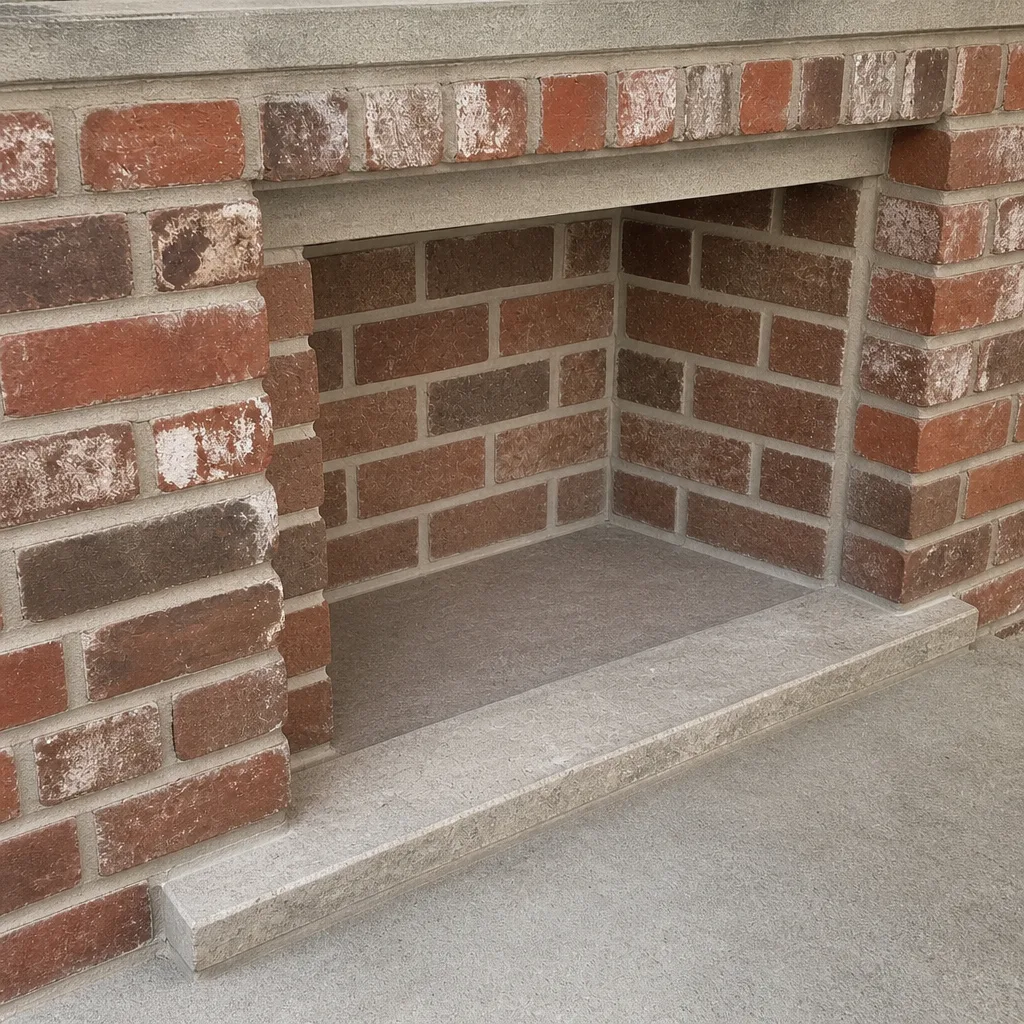
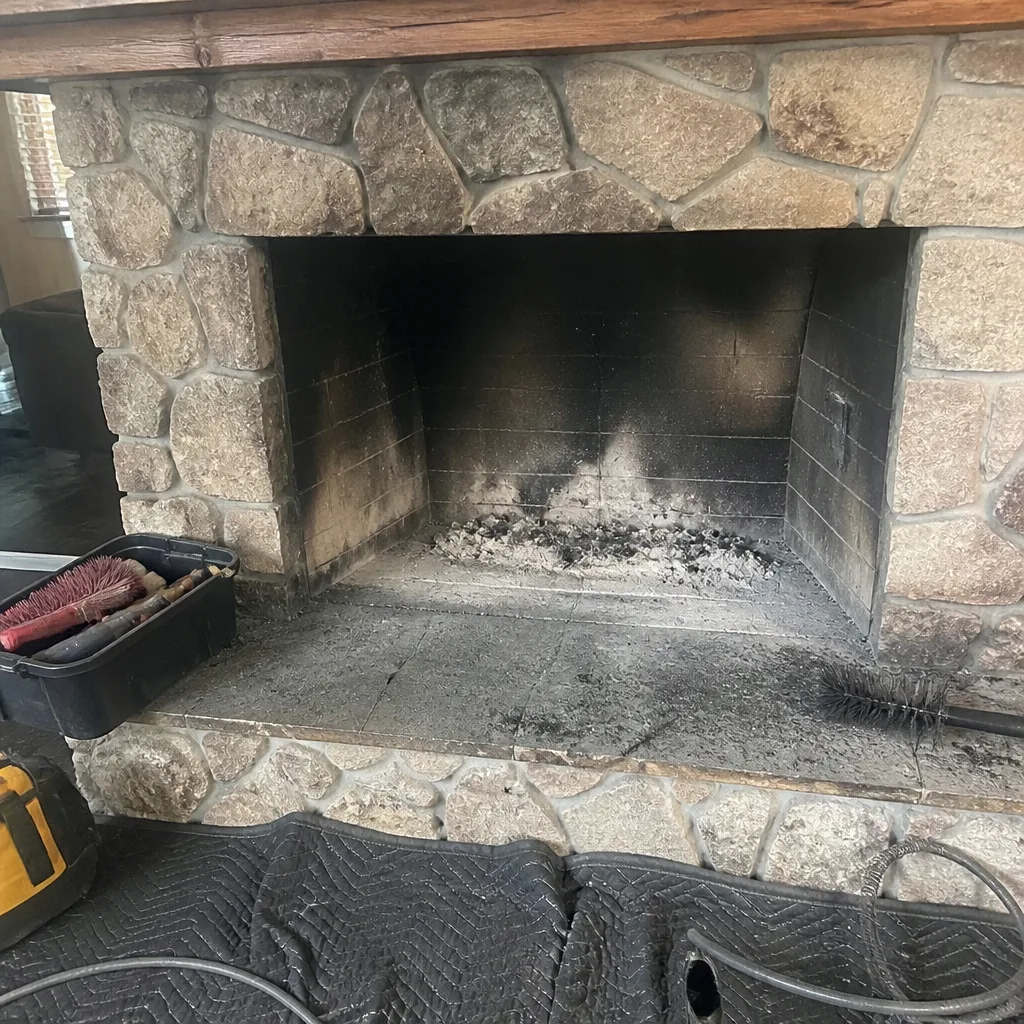
See the difference
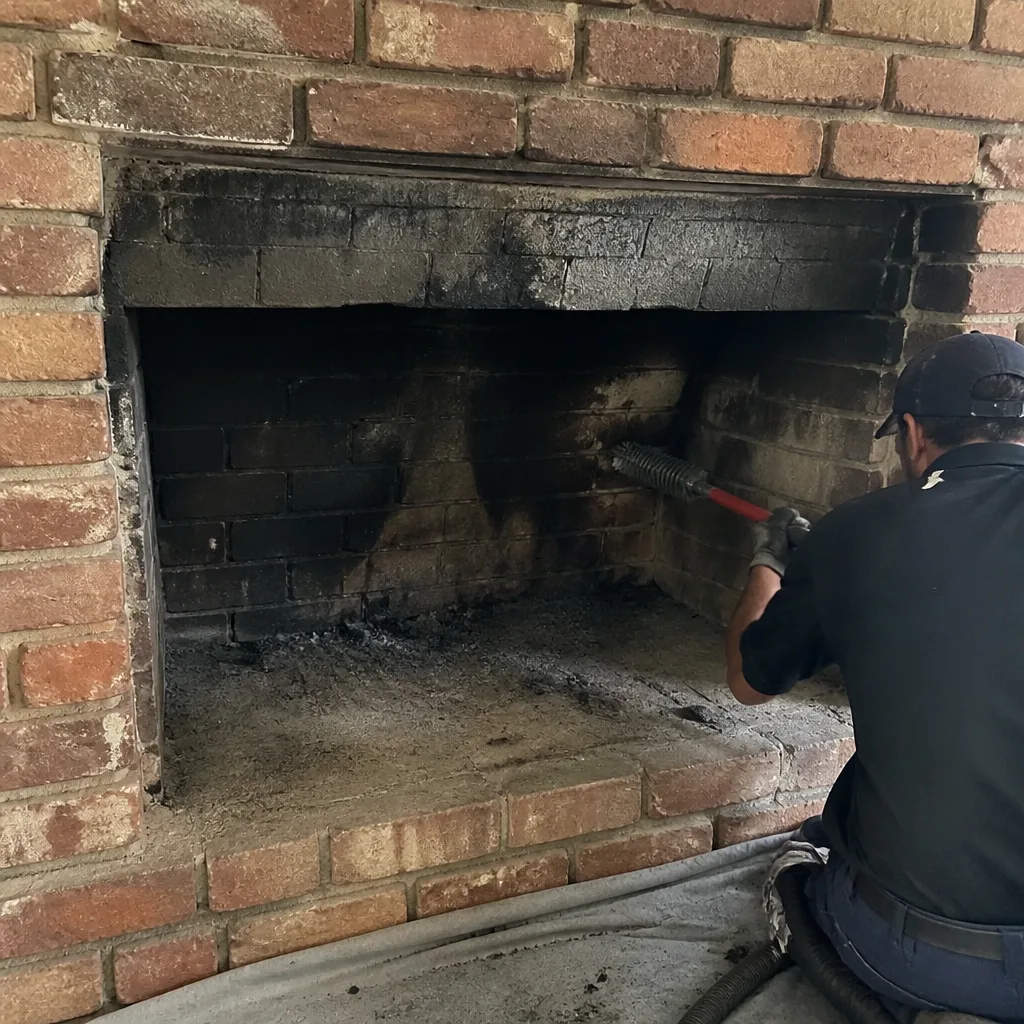 Before
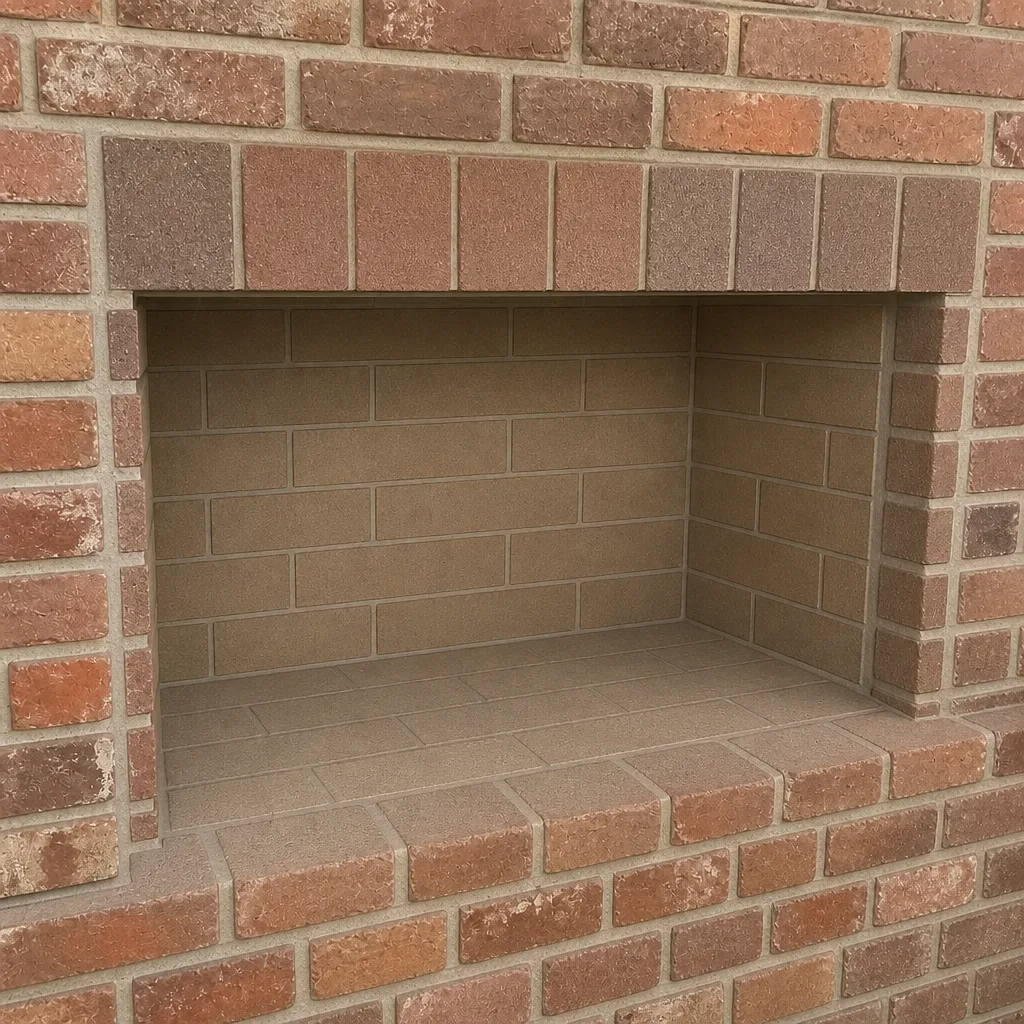 After
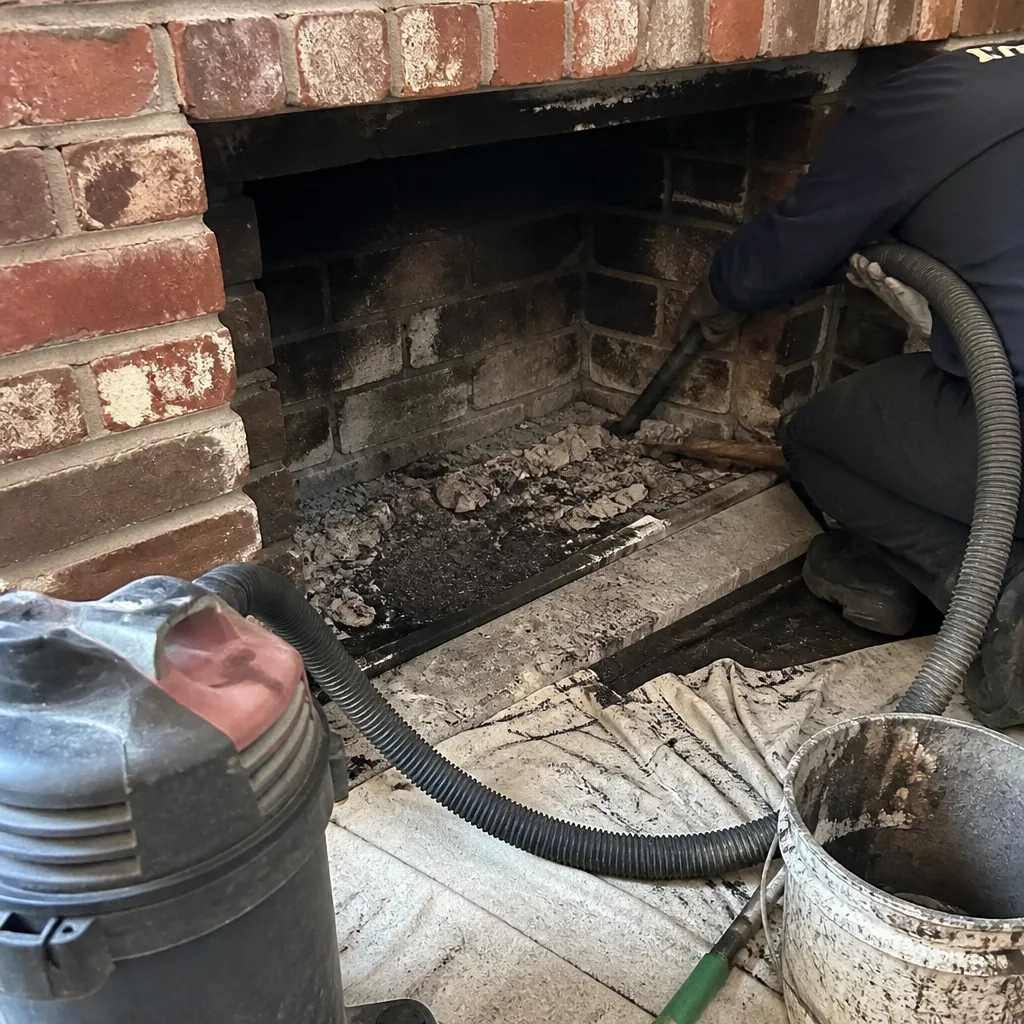 Before
 After
 Before
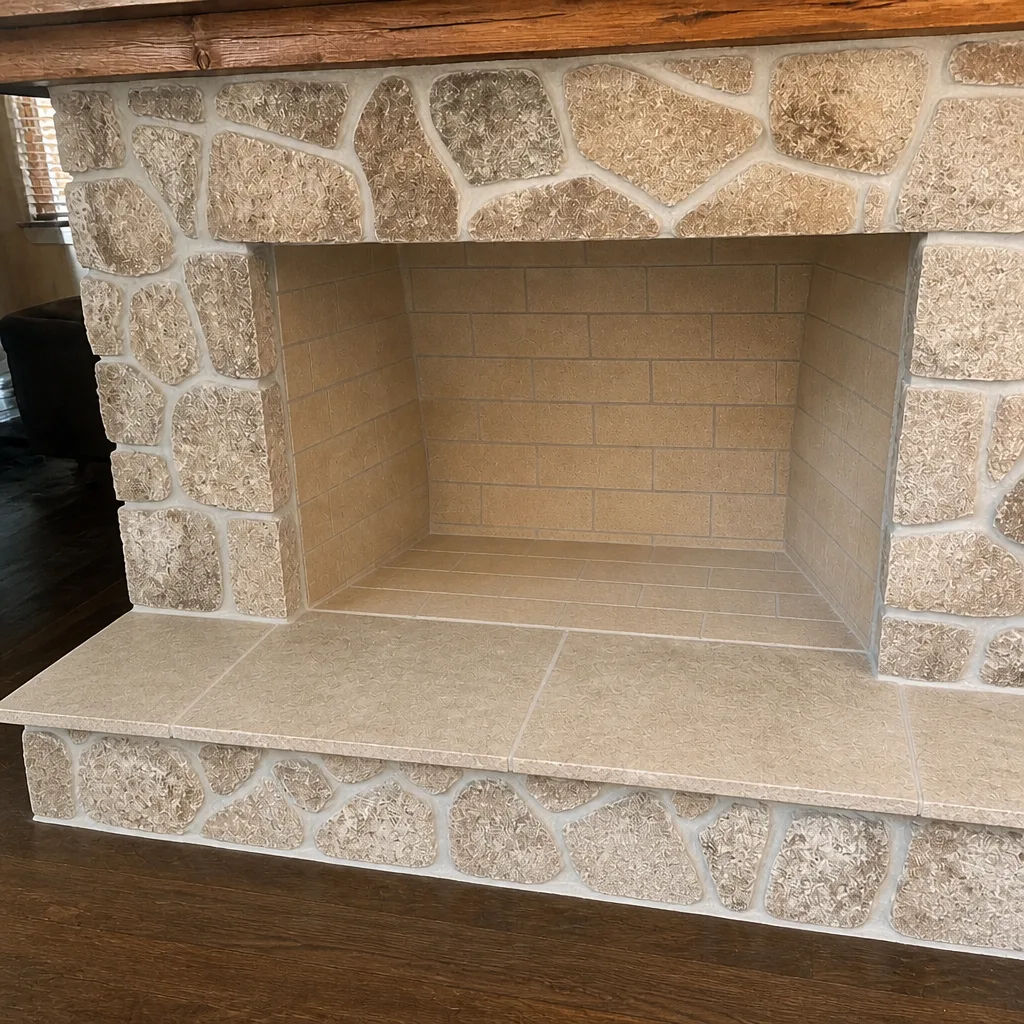 After
When to Call a Professional
Call a professional when any single one of these is true: the chimney hasn’t been inspected in the last year, the fireplace is older or has a decorative clay tile liner, you’ve seen smoke roll into the room, you smell creosote even when the fireplace is cold, there’s visible cracking in the firebox or chimney exterior, or you’re selling the home or renewing insurance. Any of those is reason enough. Huntington Beach Chimney Sweep Pros offers free estimates in Huntington Beach, and we’ll tell you honestly whether the work can wait. Call (877) 770-0951. We answer 24/7. Fast dispatch from 7am to 7pm, Sunday through Friday. Estimates are free, and the price is set per job by the written estimate.
Frequently Asked Questions
You can brush loose soot and light creosote from an accessible flue, but you can’t assess the liner, smoke chamber, crown, or cap, which is where the real safety risks live. A brush-only cleaning is a reasonable stopgap between professional visits for a lightly used, recently inspected fireplace. For anything else, a professional sweep with a camera inspection is the only way to know the system is safe. Call (877) 770-0951 for an exact quote; estimates are free.
Chimney sweep pricing in Huntington Beach is set per job by a written estimate, and we agree on a flat price before booking, so there are no surprises. The sweep includes the cleaning, a camera inspection of the flue and smoke chamber, and a photo report. Because every chimney is different, the estimate is based on what your system actually needs. Call (877) 770-0951 for an exact quote; estimates are free.
Once a year is the common standard for a fireplace in regular use, and more often if you burn a lot of soft or unseasoned wood. Huntington Beach fireplaces that sit unused for months and then see heavy seasonal use can build creosote faster than the calendar suggests. An annual inspection catches the buildup before it becomes a safety issue. Call (877) 770-0951 to book a sweep and inspection.
A new liner is only recommended when the camera shows a liner that’s actually failed, and you’ll see the same footage we do. Many deteriorating liners can be restored with HeatShield resurfacing rather than replaced, and when a full reline is the right answer we use flexible liner systems like DuraFlex. Nothing gets recommended without camera evidence you can look at yourself. If it can safely wait, we’ll tell you. Call (877) 770-0951 for a free estimate.
Creosote builds up in the flue, and glazed creosote is the most flammable kind. A chimney fire can start from a deposit you can’t see and can’t brush away. Separately, a cracked crown or failed cap lets water into the flue and masonry, and water damage tends to spread quietly until it shows up inside the home. Neither risk is dramatic until it is. Call (877) 770-0951 to get the system checked before the next burning season.
A handyman with a brush delivers roughly the same result as doing it yourself, without the inspection or the report. The value of a chimney specialist is full-system coverage, from the firebox to the crown, using the right product for each job, plus the camera inspection and photo report that tell you what condition the system is actually in. For anything beyond light soot, use a specialist. Call (877) 770-0951 for a free estimate.
The Bottom Line
The real question isn’t whether you can physically run a brush down a flue. It’s whether you can identify glazed creosote, liner fractures, and smoke chamber deterioration, and the honest answer is that nobody can do that with a brush. DIY brushing has a genuine but narrow role: light soot removal between professional visits on a modern, recently inspected, lightly used fireplace. Everything beyond that, especially the older clay tile liners common in Huntington Beach’s Spanish-style homes, needs a trained sweep and a camera. A professional sweep gives you the cleaning plus a written, photographed condition report you can actually use. From the firebox to the crown, the whole system is what matters, and one company covering sweep, inspection, cap and crown, fireplace repair, and chimney repair means you’re not chasing down a second contractor. Ready to see what your chimney is actually doing? Huntington Beach Chimney Sweep Pros handles the whole system, and Huntington Beach Chimney Sweep Pros is the place to start. Call (877) 770-0951 for a free estimate. Our technicians have up to 15 years of experience, and we’ll show you exactly what the camera finds.
Written by the team at Huntington Beach Chimney Sweep Pros.