
Last updated November 24, 2026
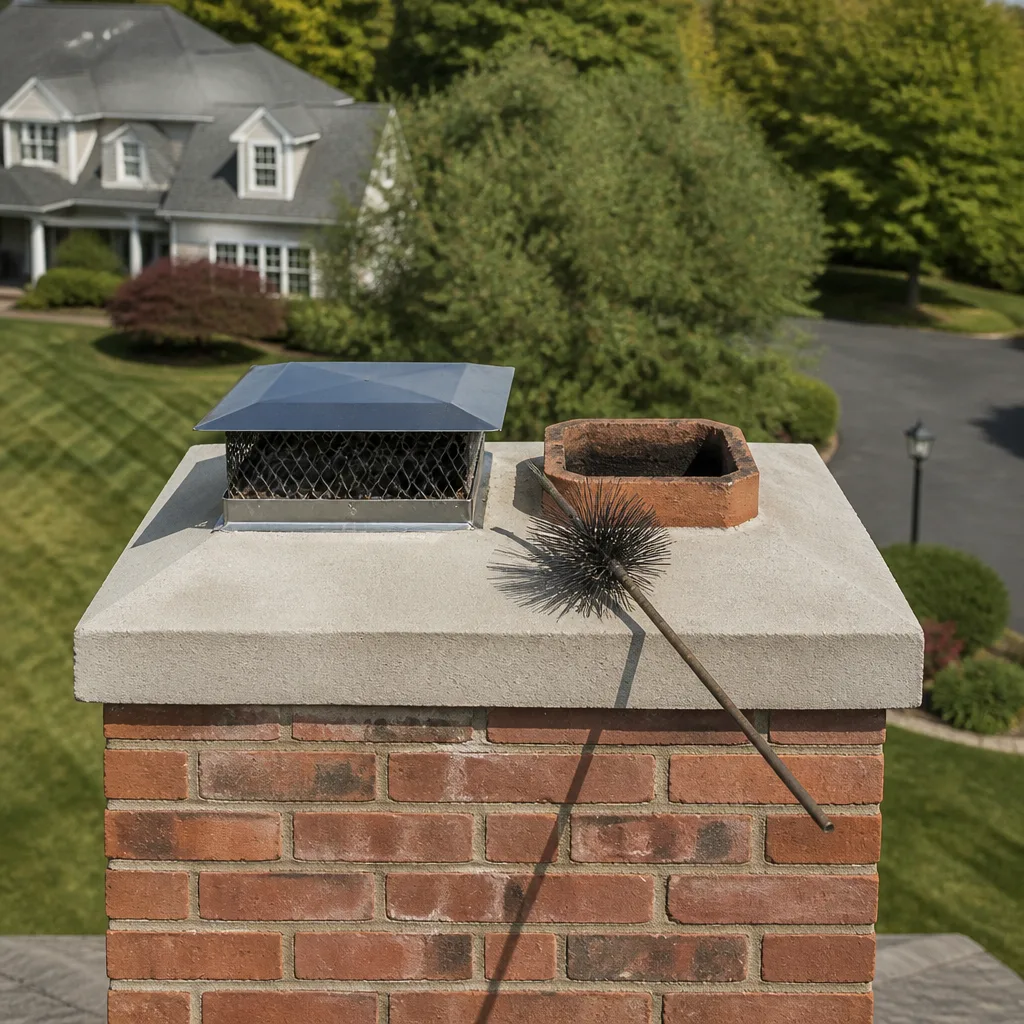 Sweep & inspection
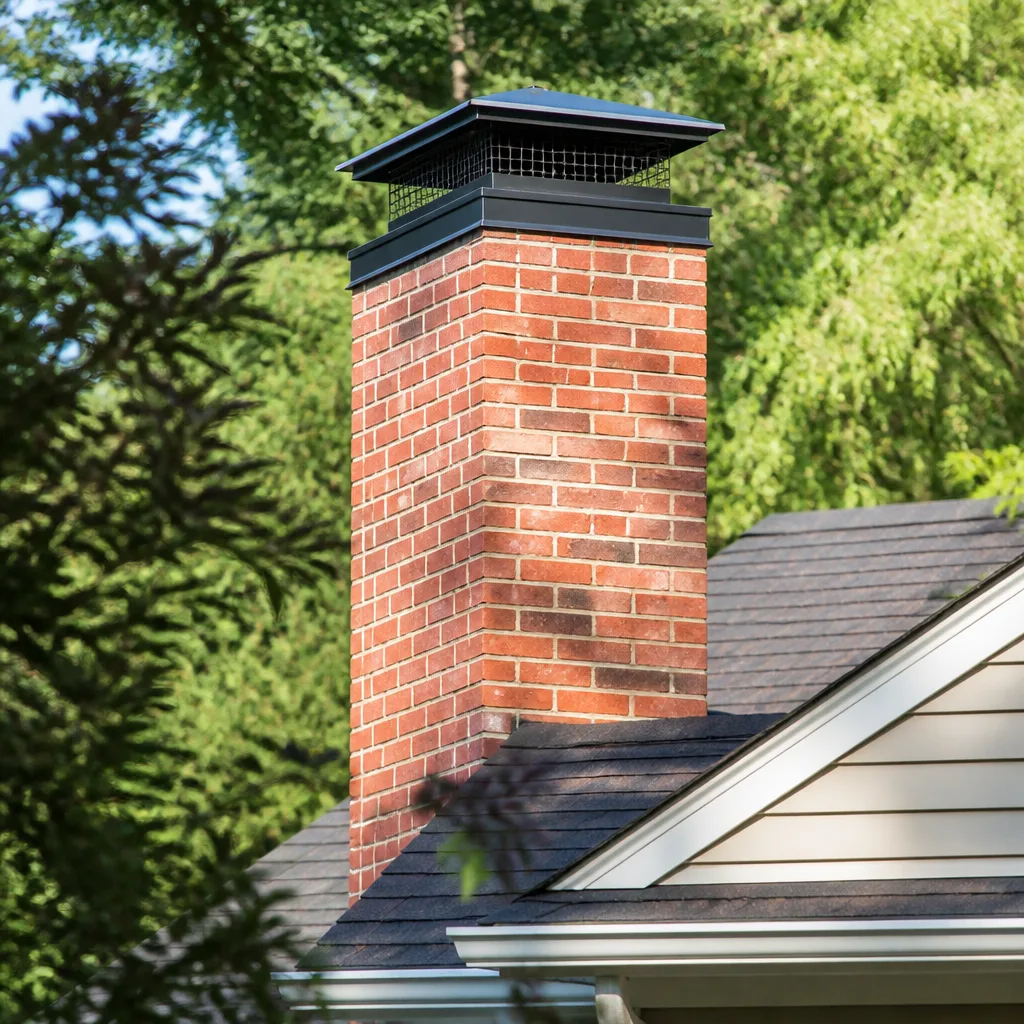 Caps & crowns
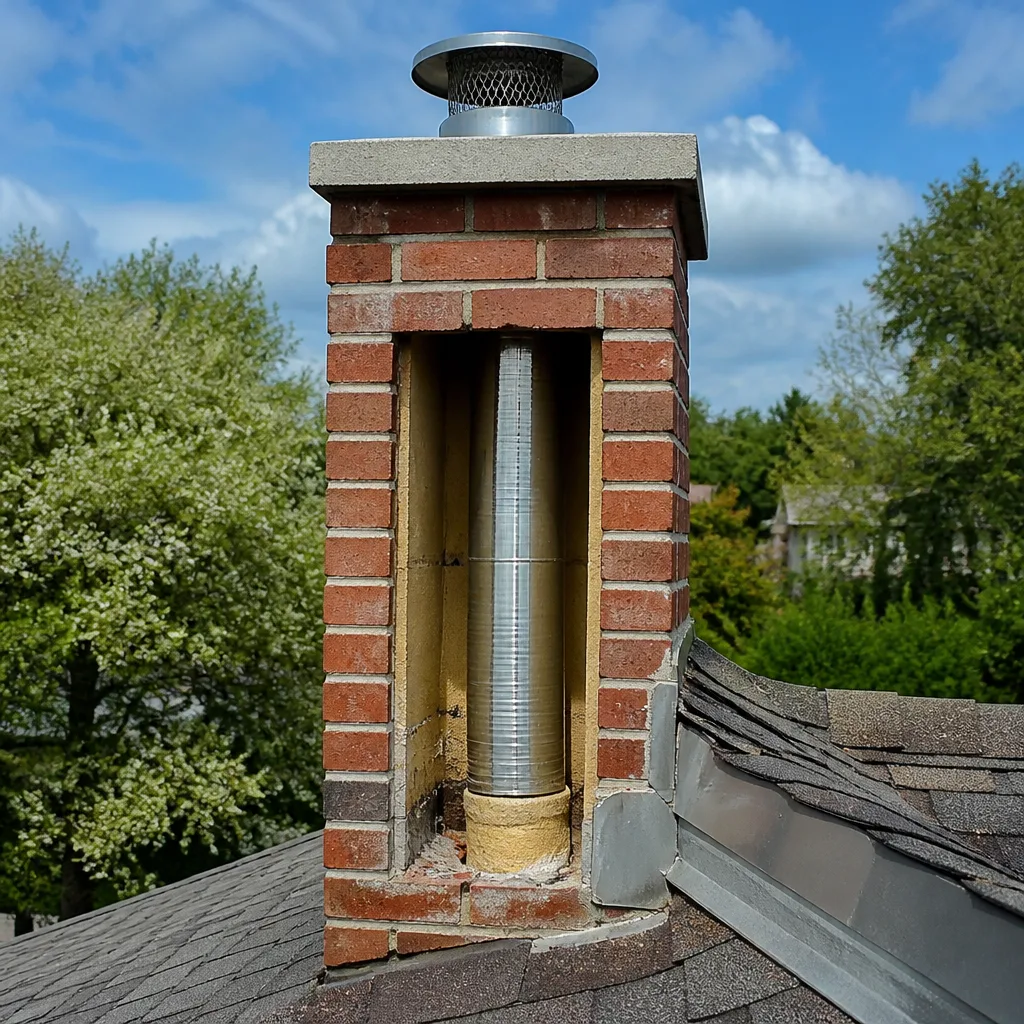 Flue relining
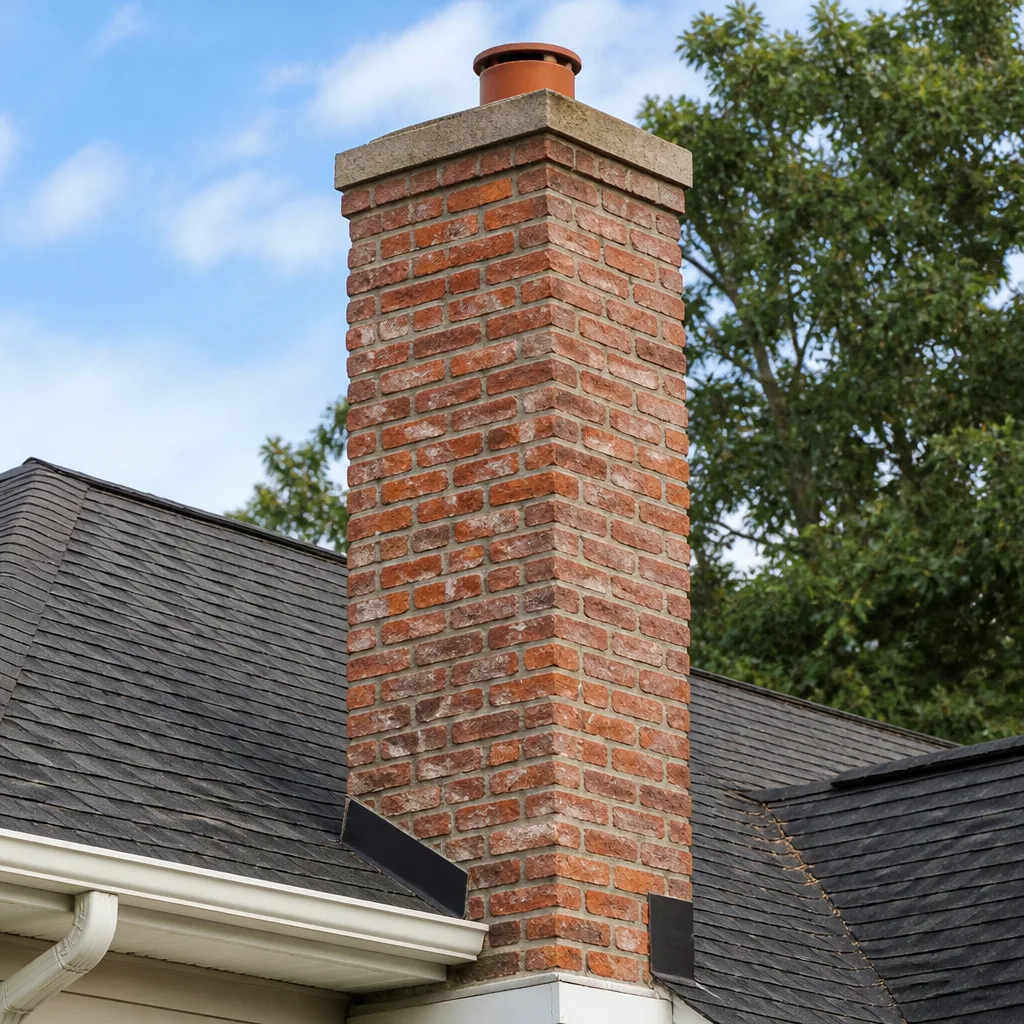 Masonry repair
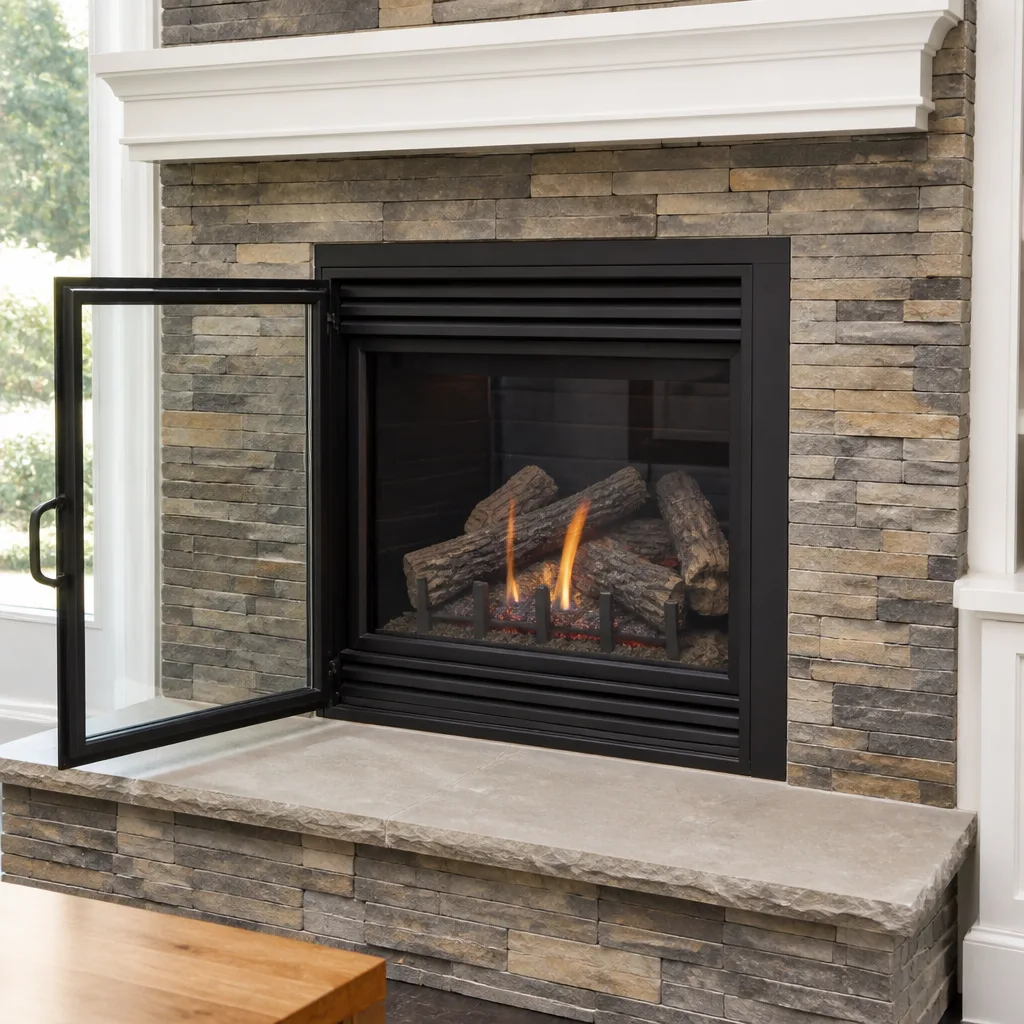 Gas fireplace service
Level 1 sweep and inspection to the NFPA 211 annual standard - flue, crown, cap, and flashing checked and photographed
Chimney sweep logs do not sweep chimneys. They loosen some creosote - which then falls where a brush and vacuum still have to collect it.
The Complete Guide to Chimney Cleaning in Huntington Beach
Most homeowners picture chimney cleaning as a quick brush job: someone runs a stiff bristle up the flue, sweeps a little soot into a bag, and leaves. That picture is the reason chimneys fail. A real cleaning covers a seven-component system from the firebox to the crown, and skipping any single part, including the smoke chamber shelf tucked just above the damper, can leave the conditions for a flue fire in place. This guide maps every part of that system, explains what a proper cleaning actually touches, and shows you how to tell a full-scope chimney specialist from a generalist with a brush. If you burn in Huntington Beach, the details matter more than you’d expect.
Quick Answer
Chimney cleaning in Huntington Beach means removing creosote and soot from the full chimney system, not just the flue, and pairing that cleaning with an inspection that grades the liner, smoke chamber, damper, crown, and cap. A thorough cleaning plus a Level 1 or Level 2 inspection should catch structural and fire risks before they turn into repairs. Most homes that burn regularly need a sweep once a year or after roughly a cord of wood.
Styles & brands we work with
- Sweep & inspection
- Caps & crowns
- Flue relining
- Masonry repair
- Gas fireplace service
Table of Contents
- Why Huntington Beach Chimney Cleaning Is Different
- The Anatomy of a Chimney System
- Level 1, 2, and 3 Inspections Explained
- What a Thorough Cleaning Actually Covers
- Creosote, Moisture, and Wood Choice
- Caps, Crowns, and Water Damage
- Red Flags: Specialist vs. Generalist
- How Often to Schedule a Cleaning
Why Huntington Beach Chimney Cleaning Is Different
Chimney cleaning guides written for cold-climate or high-desert markets miss something that matters here: humidity. Huntington Beach homes sit in a mild, moist climate where the air holds more water vapor than the dry inland valleys a few miles east. That moisture interacts with creosote in a way that changes how the deposit behaves inside your flue.
Creosote forms when unburned wood gases cool and condense on the flue walls. In a dry climate, that deposit tends to stay brittle and flaky, the kind you can brush loose fairly easily. When the surrounding air carries more moisture, the same deposit can absorb water vapor and settle into a stickier, glazed layer that bonds tightly to the masonry or liner. Glazed creosote is the harder grade to remove and the more flammable one, which is why a Huntington Beach chimney often needs more than a light brushing to come clean.
Two more local realities shape the job:
- Mild winters mean shorter, hotter fires. Many Huntington Beach homeowners burn smaller fires on cooler evenings rather than running a fire all season. Short, cool burns produce more unburned gas and more creosote than a steady hot fire.
- Long off-seasons mean more time for moisture. A chimney that sits idle for months in humid air gives any water that gets past a worn cap or cracked crown time to soak into mortar and start breaking it down.
The upshot: cleaning in Huntington Beach isn’t only about soot volume. It’s about the condition of the deposit and the condition of everything around it. If you want the fundamentals of a routine visit, our chimney sweep page covers what that service includes.
The Anatomy of a Chimney System
You can’t judge a cleaning if you don’t know what should be cleaned. A chimney is not a simple tube; it’s a system of connected parts, each with a job. Here’s the full anatomy, top to bottom, so you know exactly what a proper technician is checking and why.
- Cap. The cover at the very top. It keeps rain, debris, and animals out of the flue while letting smoke escape. A missing or damaged cap is one of the most common entry points for water.
- Crown. The concrete or masonry slab that crowns the chimney top and sheds water away from the structure. Cracks in the crown let water down into the chimney body.
- Flue liner. The inner wall that contains heat and combustion gases. It protects the surrounding masonry and framing. A cracked or deteriorated liner is a serious safety issue.
- Flue. The vertical channel itself, where smoke and creosote travel.
- Smoke chamber. The sloped space just above the damper that funnels smoke into the flue. Its ledge, the smoke shelf, collects soot and is often the part cheap cleanings skip.
- Damper. The door that opens to let smoke up and closes to keep heated air in when the fireplace is idle. A stuck damper affects both draft and efficiency.
- Firebox. The fire itself burns here. Its brick and mortar take direct heat and need yearly inspection for cracks.
That’s the system. A cleaning that touches only part three is leaving the other six parts unexamined. Understanding this list is the single best defense against a rushed job, which is why we walk homeowners through it from the firebox to the crown.
Level 1, 2, and 3 Inspections Explained
Inspection levels are a standard way of describing how deep a technician looks. The labels come from the chimney trade, and they’re worth understanding because they set expectations for what a visit should include. Here’s what each level actually entails.
Level 1 Inspection
A Level 1 inspection is the basic visual check you’d get with an annual cleaning. The technician examines all readily accessible parts of the chimney and fireplace, including the firebox, damper, smoke chamber, and the visible portion of the flue, with a flashlight and often a camera. It’s appropriate when your setup hasn’t changed and you burn normally. It looks for soot buildup, blockages, and obvious damage, but it doesn’t go beyond what’s visible without tools.
Level 2 Inspection
A Level 2 inspection goes further. It’s warranted after a chimney fire, after a change in fuel type or appliance, when you buy or sell a home, or when a Level 1 turns up something suspicious. The technician uses a video camera to inspect the full length of the flue interior, checks accessible attics and crawl spaces, and examines the crown and cap more closely. For many Huntington Beach homes that have never had a camera inspection, a Level 2 is the first real look at the liner’s true condition.
Level 3 Inspection
A Level 3 inspection is the most involved. It’s used when a Level 1 or 2 reveals a serious hidden problem, like damage in a concealed chimney chase or an area blocked by construction. A Level 3 may require removing parts of the chimney or surrounding structure to access the problem. It’s uncommon, but it’s the right call when the evidence says something dangerous is hidden.
Knowing the levels helps you ask the right question: not just “did you clean it?” but “what did you inspect, and at what level?” We build the inspection into every cleaning so you get answers, not just a swept flue.
What a Thorough Cleaning Actually Covers
A real cleaning touches all seven components, and the sequence matters. Here’s the order a full-scope job follows and what each step is for.
- Protect the room. Drop cloths and a sealed work area keep soot and dust out of your living space before any tool goes up the flue.
- Clean the firebox. Soot and ash are removed from the firebox walls and floor, and the brick and mortar are checked for cracks under the soot.
- Clear the damper and smoke chamber. The damper is checked for smooth operation, and the smoke chamber and its shelf are brushed clear. This is the step cheap jobs skip.
- Sweep the flue. A properly sized brush and rods work the full length of the flue, matching the tool to the liner so the liner isn’t damaged in the process.
- Inspect the liner. After the sweep, the liner’s interior is checked, often with a camera, for cracks, gaps, and glazed creosote.
- Check the crown and cap. The technician looks at the crown for cracks and the cap for damage or blockage from above.
- Report and document. You get a clear account of what was found and what, if anything, needs attention. Anything beyond cleaning should be justified with evidence you can see, ideally photos from the camera inspection, so you’re not asked to take a repair on faith.
When a liner turns out to be deteriorating, a full replacement isn’t always the answer. HeatShield, a resurfacing system used in the trade, can restore certain liners without a full swap, and DuraFlex flexible liner systems are used when a full reline is the right call. The point is matching the repair to the specific problem, not selling the biggest job.
Creosote, Moisture, and Wood Choice
Creosote is the residue that forms when wood doesn’t burn completely. It’s the main reason chimneys need cleaning, and it comes in grades that range from light and flaky to hard and glazed. The glazed form is the one to worry about: it ignites at a lower temperature and burns hot when it does, which is how a chimney fire starts.
What drives creosote formation is worth understanding because you can influence most of it:
- Wet wood is the top culprit. Unseasoned or damp wood produces more smoke and more creosote than dry wood. Burn wood that’s been split and dried, not freshly cut.
- Cool, smoldering fires produce more deposit. A fire that’s starved of air smolders and sends more unburned gas up the flue. In Huntington Beach’s mild climate, small evening fires are common, and those tend to be cooler.
- A cold flue encourages condensation. When the flue is cold, gases cool quickly and condense as creosote. A quick warm-up helps, but so does regular cleaning to keep the walls smooth.
- Humidity adds moisture. Local humidity means the creosote that forms can bond more stubbornly, which is where the glazed grade shows up more often.
This matters because a little soot is normal and easy. Glazed creosote is harder to remove and needs a technician who recognizes it and treats it before it becomes a fire risk. If the deposit is glazed, no amount of homeowner brushing will do the job safely.
Caps, Crowns, and Water Damage
Water is the slow threat most homeowners underestimate. A chimney’s worst enemy isn’t fire; it’s the rain that finds its way in through the top. The two components that guard against it are the chimney cap & crown, and they’re where a lot of hidden damage starts.
The cap sits at the very top and keeps out rain, animals, and debris. The crown is the sloped slab that sheds water off the chimney body. When either is compromised, water gets into the masonry, and masonry soaks up water like a sponge. That water then weakens mortar joints and cracks the mortar further as it moves through wet and dry cycles.
In a humid climate like Huntington Beach’s, a cracked crown or a missing cap doesn’t just cause a leak now; it accelerates the wear on everything below it. Mortar joints that might last years in a dry climate can break down faster when they stay damp. That’s why chimney cap and crown work is preventive: addressing the source of water intrusion before it becomes costly interior repair.
Signs to watch for:
- Staining on the ceiling or walls near the chimney
- Crumbling or missing mortar in the firebox or on the exterior brick
- A damaged, rusting, or missing cap at the top
- Visible cracks in the crown slab
If you see any of these, a professional look at the cap and crown is the right first step. Catching it early is how you keep a small repair from turning into structural work.
Red Flags: Specialist vs. Generalist
A generalist with a brush can sweep a flue. A full-scope chimney specialist does the sweep and understands every part of the system around it. Here’s how to tell the difference before you hire.
- They inspect before they quote. A specialist looks at the firebox, smoke chamber, damper, and liner before recommending anything. If a “cleaning” is offered without any inspection, ask what’s being checked and at what level.
- They use a camera when it’s warranted. A video inspection of the flue is standard for a Level 2. A technician who can’t show you the inside of your liner is guessing.
- They know their materials. Naming professional-grade brands like HeatShield, DuraFlex, Olympia Chimney, Gelco, Famco, and Copperfield signals a company that works to industry standards rather than improvising with generic parts.
- They match the repair to the problem. A cracked liner doesn’t always mean a full reline; sometimes a heat-applied resurfacing like HeatShield is the accurate fix. A specialist explains the options and why one fits.
- They cover the whole system. If a company only sweeps and refers everything else out, you’ll be coordinating multiple trades. A full-scope company handles cleaning, inspection, cap and crown, and repairs under one roof.
- They show you what they found. Any recommended repair should come with photos or camera evidence you can review, so you can see the problem rather than take it on trust.
We follow this approach because it’s the difference between a swept chimney and a safe one. You can see how the full range fits together on the Huntington Beach Chimney Sweep Pros home page.
How Often to Schedule a Cleaning
The general rule is a cleaning once a year for a home that burns regularly, or after roughly a cord of wood, whichever comes first. But “regular” varies by household, and Huntington Beach’s climate shifts the calculus a little.
Consider a sweep when you notice any of these:
- More than about an eighth of an inch of soot or creosote on the flue walls
- A fire that’s harder to light or a fireplace that smokes into the room
- A strong, persistent odor from the fireplace, especially in humid weather
- A burning smell or soot marks around the damper area
- A chimney that hasn’t been inspected since you moved in, or after any chimney fire, even a small one
For a home that burns only occasionally, an annual inspection is still worth doing. The inspection catches liner and crown problems that don’t depend on how often you have a fire. If you’ve never had a camera inspection, treat the first one as a baseline, then decide from what it shows.
Pairs well with that first visit: a service appointment through fireplace repair if the damper is sticking or the firebox has cracked mortar, since a fireplace problem and a flue problem often travel together.
Common Mistakes to Avoid
- Assuming a quick brush is a full cleaning. A 20-minute visit that never touches the smoke chamber leaves soot and creosote where it can ignite. Ask what’s being cleaned, not just how long it takes.
- Skipping the inspection to save time. A cleaning without an inspection means no one has looked at the liner or crown. The inspection is where hidden problems get caught.
- Burning unseasoned wood. Damp wood is the biggest driver of glazed creosote. In a humid climate, split and dry your wood before burning it.
- Ignoring a missing or damaged cap. Water intrusion is a leading cause of masonry damage. A cap is a small fix that prevents a larger one.
- Trusting a repair quote you can’t verify. If a technician says you need a new liner, ask for the camera evidence. You’re entitled to see the problem before approving the cost.
- Assuming a generalist covers everything. A handyman with a brush can’t inspect the liner or repair a crown. If the work goes beyond sweeping, you want a full-scope company.
- Putting off the sweep until fall. Waiting until the first chilly evening means everyone’s calling at once. Book ahead so you’re not stuck waiting.
See the difference
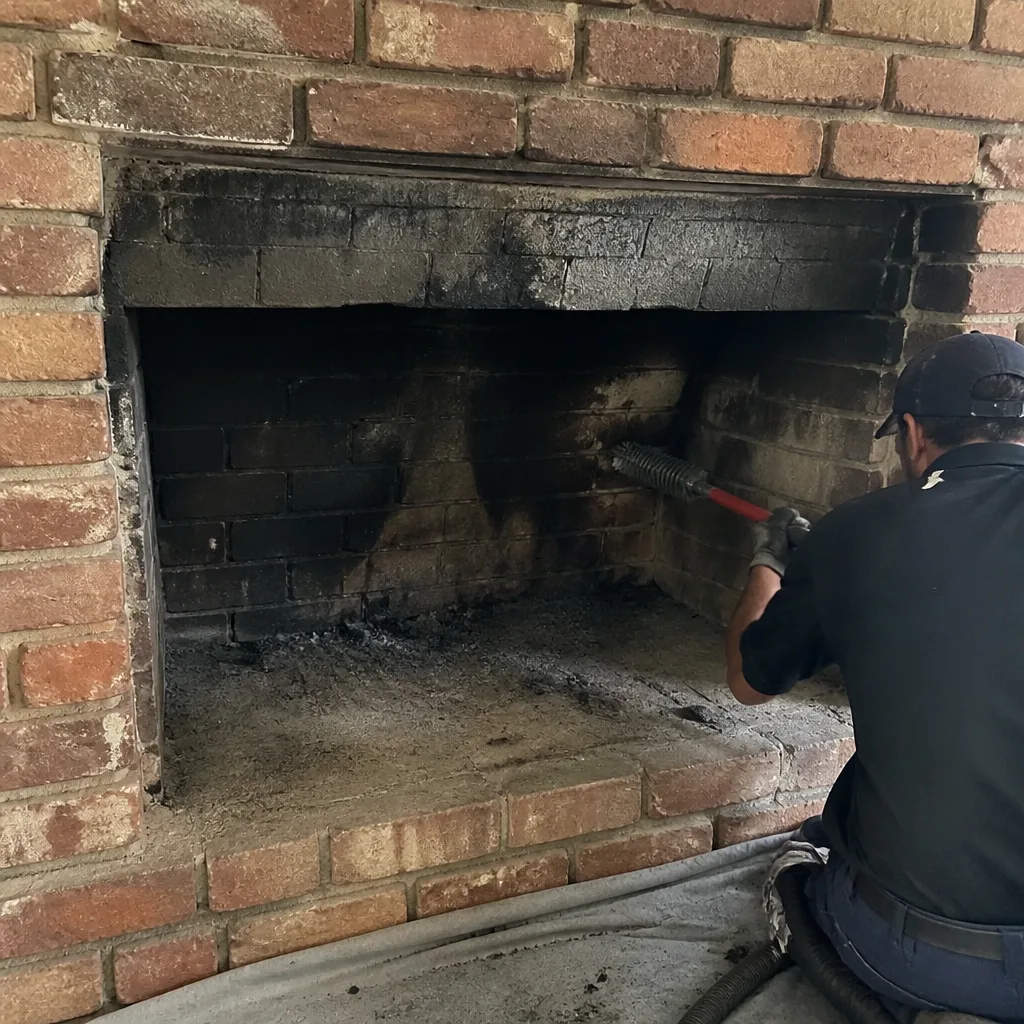 Before
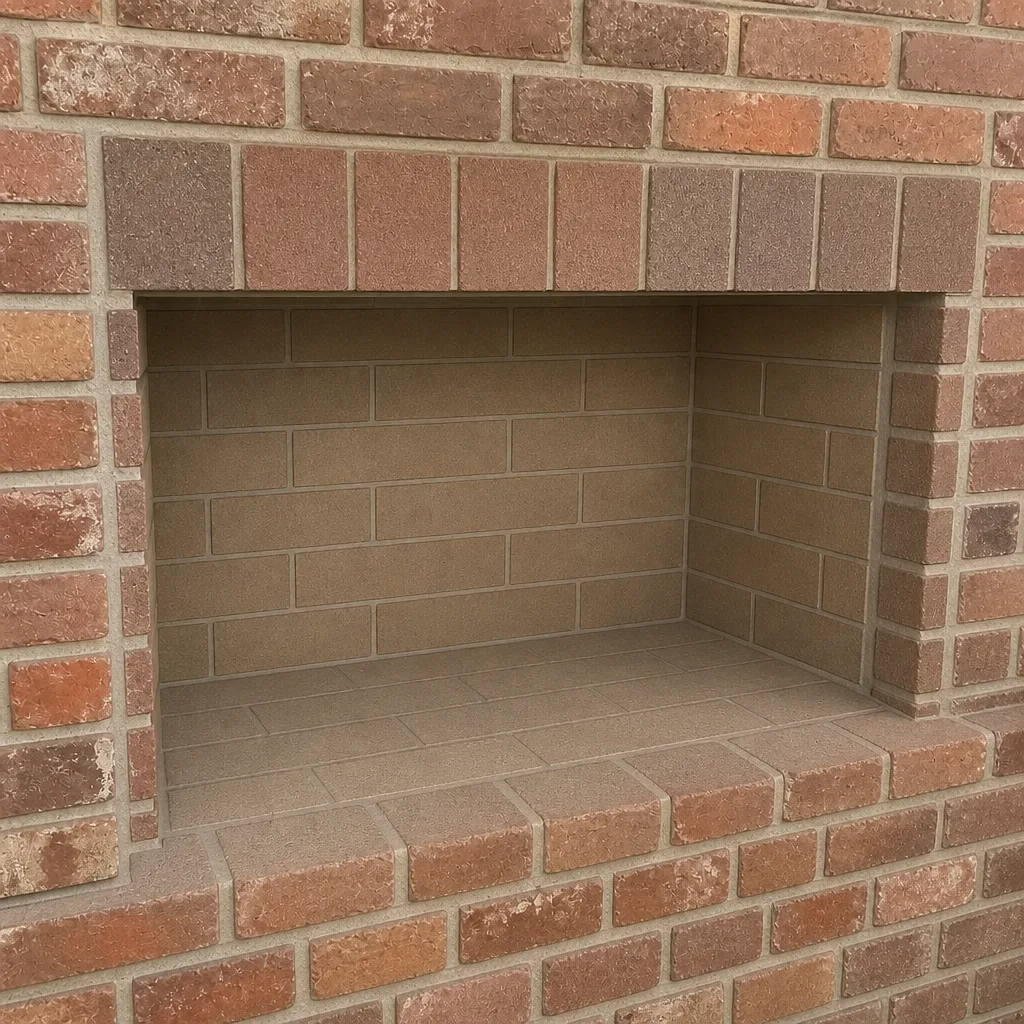 After
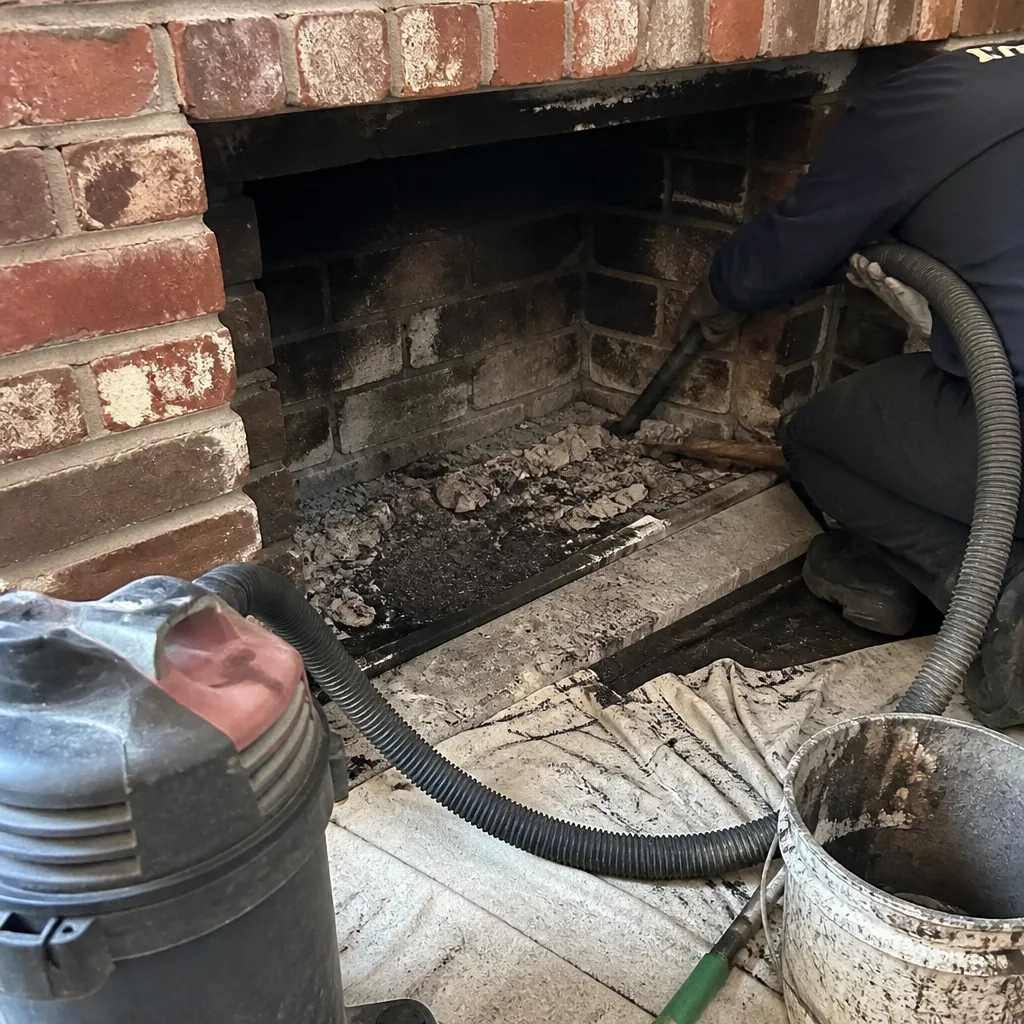 Before
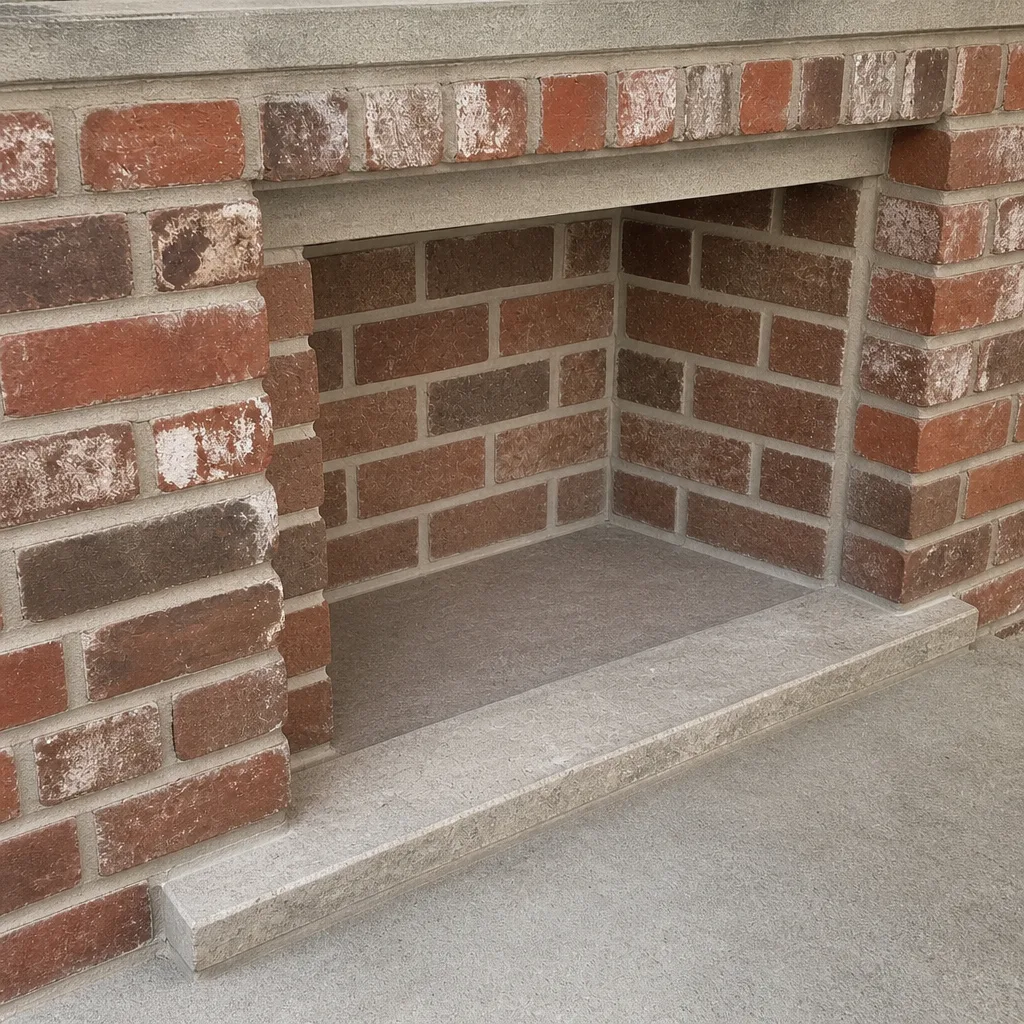 After
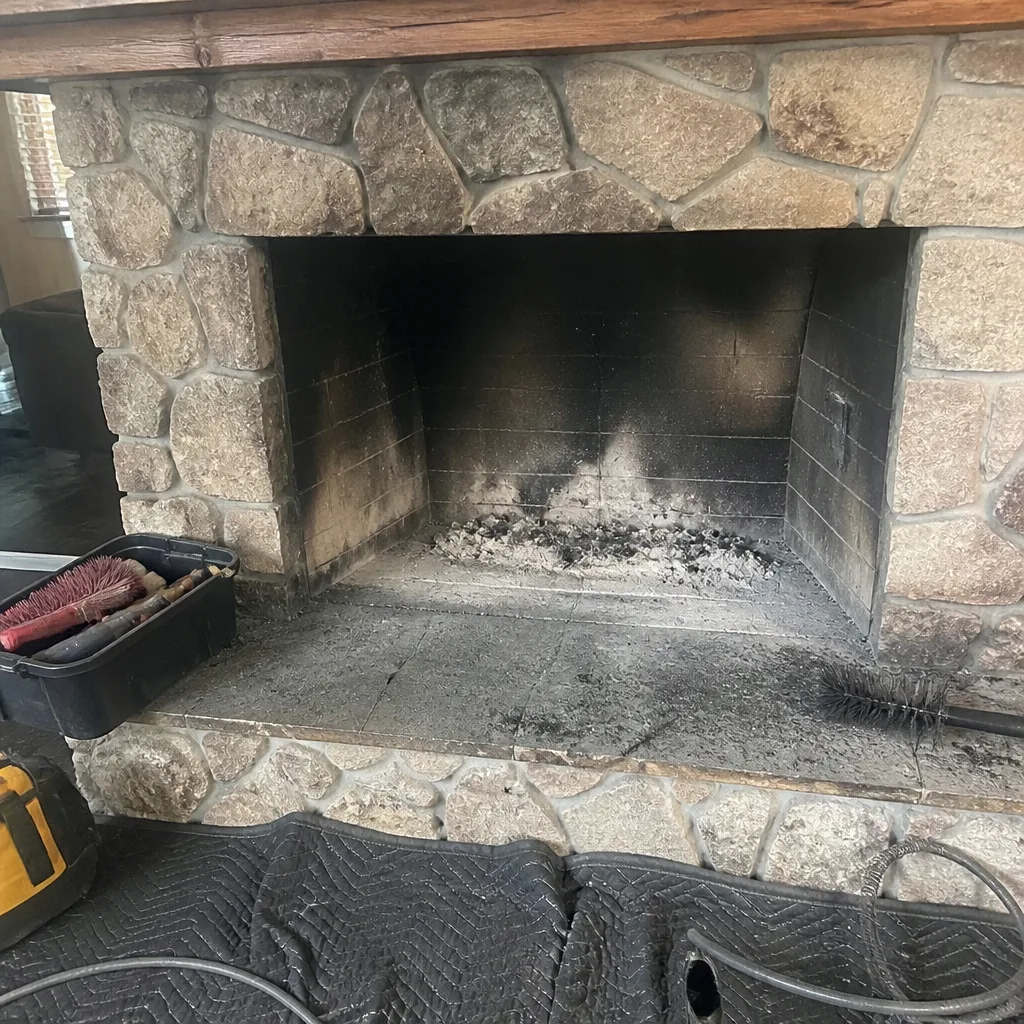 Before
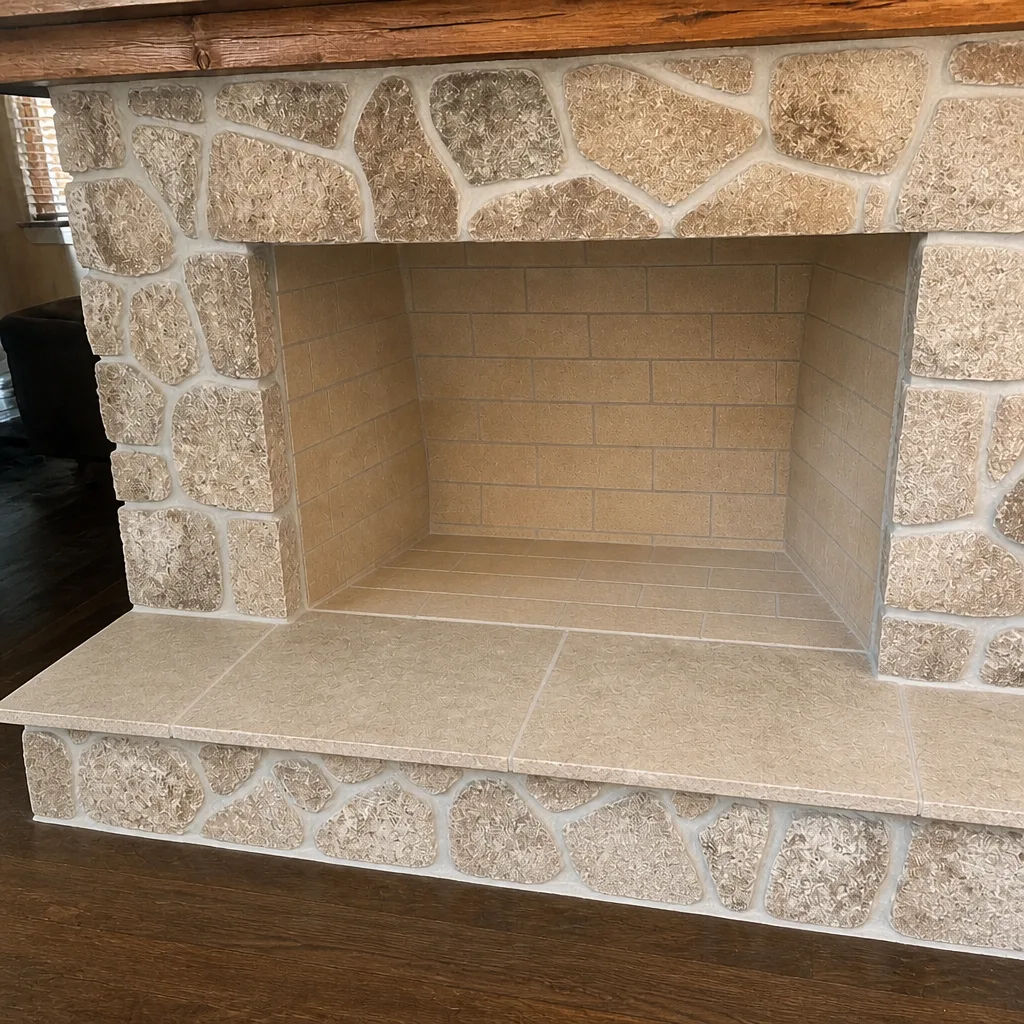 After
When to Call a Professional
Some jobs are homeowner territory; most chimney work isn’t. Call a professional when you notice soot or creosote buildup beyond a light film, a damaged or missing cap, cracks in the crown, a sticking damper, or cracks in the firebox mortar. Call right away if you smell smoke in the house while burning, if the fireplace backs up, or if you’ve had any chimney fire, even a small one that seemed to go out on its own. Glazed creosote, a deteriorated liner, and any structural damage also call for a trained technician. Some of these are genuinely dangerous: a damaged liner and heavy glazed creosote can lead to a flue fire, and a blocked flue can send carbon monoxide into the home. That’s not a job to handle with a rented brush. Huntington Beach Chimney Sweep Pros offers free estimates in Huntington Beach. Call (877) 770-0951. We answer 24/7. Fast dispatch from 7am to 7pm, Sunday through Friday.
Frequently Asked Questions
Generally once a year for a home that burns regularly, or after about a cord of wood. If you burn smaller, cooler evening fires, the creosote can build up faster than you’d expect, so check the flue’s condition during the annual inspection and let that guide the interval. Call (877) 770-0951 for an exact quote; estimates are free.
A standard cleaning typically runs a modest amount, with the price set per job by a written estimate after the technician inspects the system. The estimate is free, and the final price reflects what your specific chimney needs. Call (877) 770-0951 for an exact quote; estimates are free.
Not always. A cracked or worn liner sometimes only needs resurfacing with a system like HeatShield, while a badly damaged one may call for a DuraFlex reline. The right answer comes from a camera inspection, so ask to see the footage before you decide. Call (877) 770-0951 for an exact quote; estimates are free.
Creosote keeps building, and the glazed grade becomes more flammable and harder to remove, raising the risk of a flue fire. A blocked or damaged flue can also let carbon monoxide into the home. Don’t gamble on it: call (877) 770-0951 for an exact quote; estimates are free.
No. A proper cleaning covers all seven components, including the smoke chamber and damper, and pairs with an inspection of the liner and crown. If a visit only touches the flue, it’s an incomplete job, and you should ask what was skipped.
The humidity here can let creosote bond more stubbornly, so deposits sometimes turn glazed faster than in drier areas. The moisture also makes cap and crown condition more important for preventing water damage. A local technician who understands this will inspect those parts every time.
The Bottom Line
Chimney cleaning in Huntington Beach is a full-system job, not a quick brush up the flue. A proper cleaning covers the firebox, damper, smoke chamber, flue, liner, crown, and cap, and it’s paired with an inspection that grades the health of each part. Local humidity makes both the creosote and the water risk a bit sharper, which is why the cap and crown deserve the same attention as the sweep. If a repair is recommended, ask to see the camera evidence, and don’t be afraid to wait when the problem can safely wait. Bring in a full-scope specialist and you’ll get a chimney that’s clean, safe, and sound.
A properly maintained chimney protects your home all year, not just on the nights you light a fire. From routine cleaning and inspection to liner repair and crown work, our technicians handle the complete system using professional-grade materials. To schedule an inspection or get a free estimate, call (877) 770-0951. We answer 24/7. Fast dispatch from 7am to 7pm, Sunday through Friday.
Written by the team at Huntington Beach Chimney Sweep Pros.